


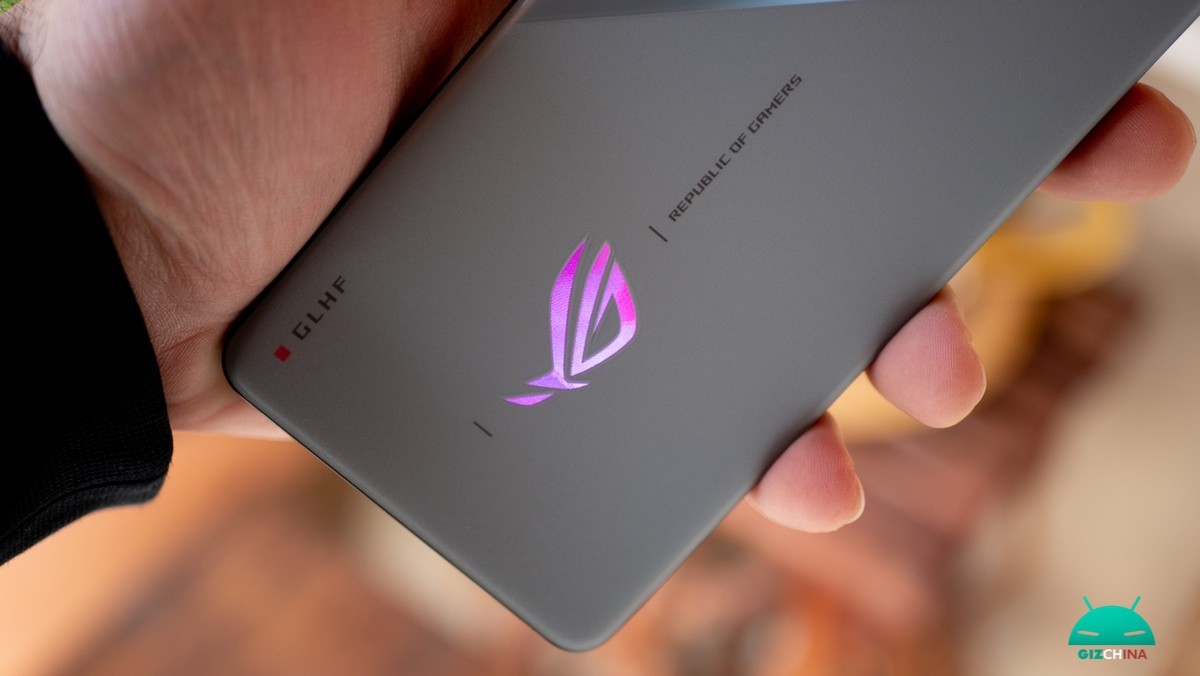
After introducing to the world the ROG Phone 9 and ROG Phone 9 Pro in 2024, the Taiwanese company made the final decision to withdraw from the smartphone market in 2026. This choice marked the end of a series highly appreciated by gamers.
However, a recent firmware leaked from a prototype revealed the specifications of the never-made ROG Phone 10 and ROG Phone 10 Pro.
Internally known under the codename “Boston” and identified by the model number AI2601, these devices clearly show the manufacturer’s intentions before production stopped.
ROG Phone 10 and 10 Pro, leaked specifications of the cancelled models

Under the hood, both smartphones would have mounted cutting-edge hardware components. The processor chosen for the tenth incarnation of the series was the Snapdragon 8 Elite Gen 5, capable of sustaining the most demanding gaming sessions. This powerful chip was accompanied by LPDDR5X RAM and ultra-fast storage based on UFS 4.0 technology.
The connectivity section was also carefully designed to ensure maximum network stability. The smartphones integrated support for 5G networks and the latest Wi-Fi 7 standard. The latter, in particular, was managed by the Qualcomm WCN7750 module together with a front-end component named “Kiwi v2“, ensuring optimal performance for online competition without hesitations.
In addition to these details, it is evident that the devices would include numerous exclusive features designed specifically for mobile gaming.
Predictable camera modules
The two models showed substantial differences in terms of camera sensors. The Pro variant was designed with a 50 MP main camera, specifically using the OmniVision OV50Q sensor with a 1/1.3″ size. This is the same image sensor found inside the Xiaomi 17.
In addition, there was a 13 MP ultra-wide module based on the OmniVision OV13B10 sensor. For distant shots, the Pro version also boasted a 32 MP telephoto lens with 3x optical zoom, powered by the Samsung ISOCELL JD1 sensor. The front-facing camera, finally, housed a 32 MP sensor with the OmniVision OV32C.
The standard model, instead, leaned toward a more conservative configuration to potentially keep costs down. The main camera relied on a proven Sony IMX766 sensor, capable of shooting at 50 MP, always paired with the same 13 MP ultra-wide lens as the Pro variant.
However, this version completely lacked the telephoto lens, replaced by a basic 5 MP macro camera with the GC05A2 sensor. For the front camera, the company decided to keep the 32 MP sensor of the flagship unchanged, ensuring the same quality for selfies and streaming.