


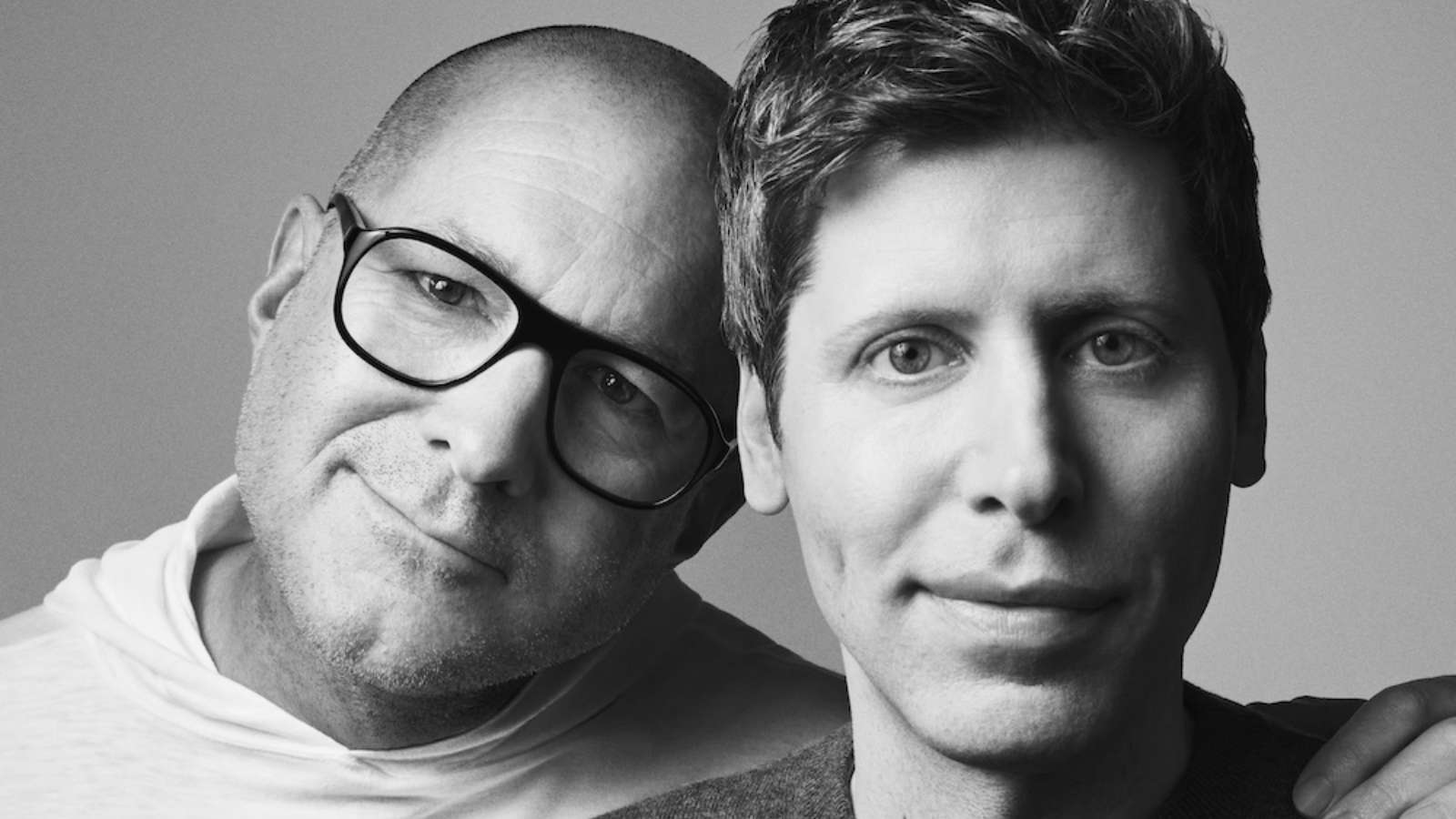
OpenAI is developing an innovative home portable device without a screen, designed in collaboration with former Apple talents such as Jony Ive.
This interactive voice assistant aims to surpass the current smartphone concept, positioning itself as an extremely personalized daily companion.
OpenAI is preparing a display-free home assistant

Recent details that have emerged reveal that OpenAI’s strategy to challenge the dominance of traditional smartphones does not rely on a classic rectangular screen to keep in your pocket.
Sam Altman’s company is working on a portable device that initially presents itself as a home smart speaker, lacking a display. This tool is designed to be easily transported from one room to another, offering continuous voice interaction based on an evolved version of ChatGPT technology.
Unlike the usual digital assistants currently integrated into smartphones, this device promises an even more natural dialogue, almost human. The software is designed to continually learn from the user’s habits, becoming proactive in performing daily tasks and offering responses tailored to the owner’s personality and preferences.
The device’s evolution and signature design
The project will not stop at simple voice reproduction. Development plans foresee the integration of mechanical components capable of moving to make the instrument visually reactive and participative in the surrounding environment. Cameras and advanced sensors will also be installed to monitor and understand the three-dimensional space in which it operates.
In later development phases, OpenAI plans to introduce variants equipped with displays, creating an incremental path.
The commercial relevance of this project is underscored by the involvement of key figures who have shaped the recent history of industrial design. Among them, Jony Ive, renowned former Apple design chief, accompanied by over 400 former employees of the same Cupertino company who moved to the AI software house.
Among the latest notable hires is also Paul Meade, a former executive who led the development of the Vision Pro headset and Apple’s future smart glasses.
An uncertain market amid legal tensions
The transfer of such important talents and the very nature of the developing technology have triggered a complex legal dispute. Apple has indeed filed a lawsuit that could slow down the commercialization of OpenAI-branded devices or impose temporary sales blocks.
On its part, OpenAI firmly denies targeting the Cupertino company to poach staff, maintaining that the developing smart speaker is structurally and conceptually different from any product Apple has ever made.
The company plans the official introduction of this assistant by the end of the current year, with an actual commercial launch scheduled for the following year. It remains to be seen whether this new product category can be integrated with existing devices or if it will pave the way to total independence for the end user.