


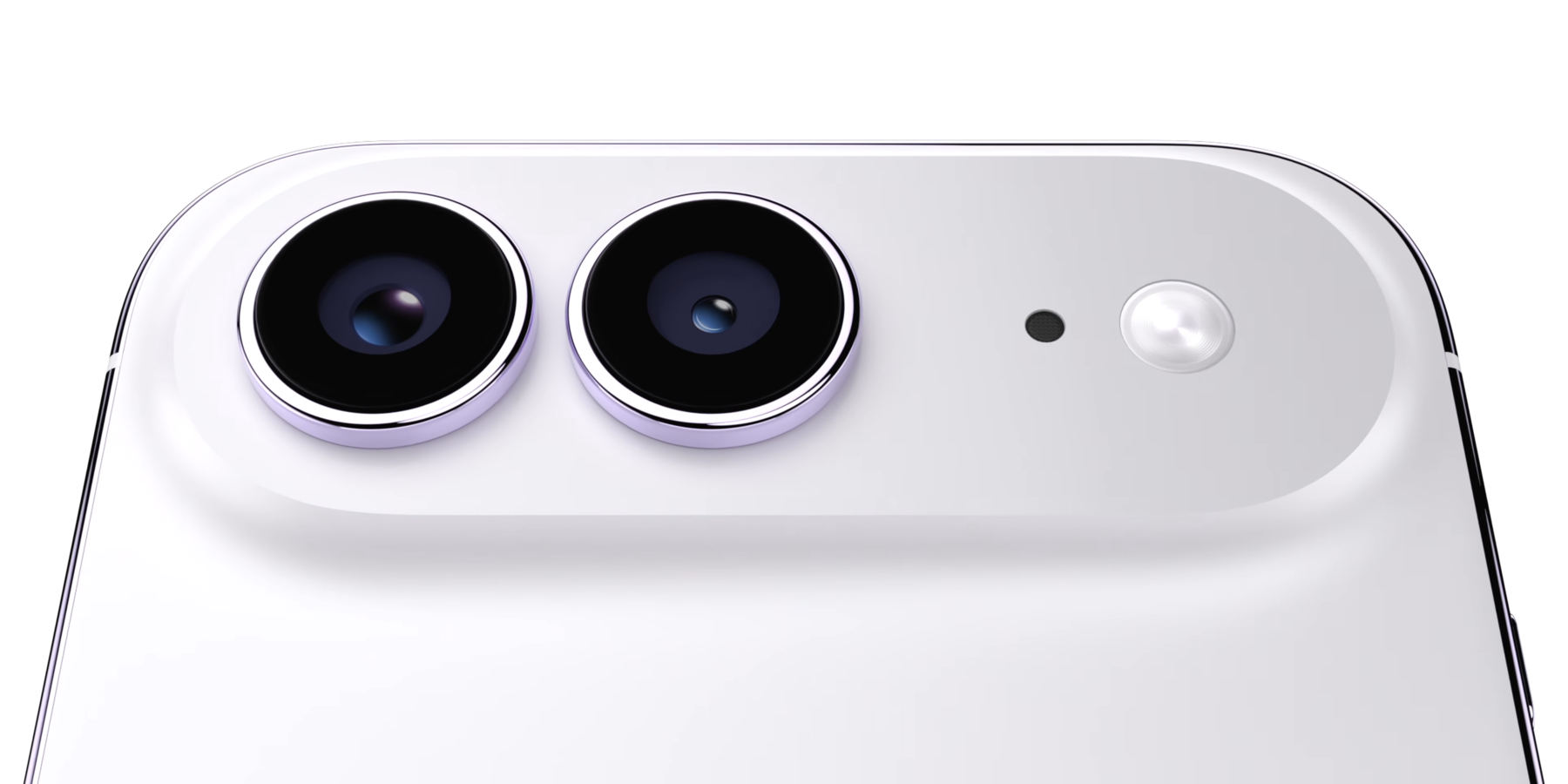
The wait for Apple’s next ultra-thin smartphone is enriched with new and interesting details thanks to the online appearance of accurate 3D renders dedicated to the future iPhone Air 2.
After a generation criticized for excessive hardware compromises, Apple seems ready to correct course, reducing the compromises tied to the ultra-thin design.
iPhone Air 2 is shown in new renders rich in detail


On September 19 of last year, Apple introduced to the market its ultra-thin iPhone Air. While the device stood out from the start for its extremely refined design and unparalleled ease of use, during the first weeks some concerns emerged from buyers.
The complaints focused mainly on the reduced battery capacity, capped at 3,149 mAh, and on the presence of a single rear camera of 48 MP.
This cold reception led to a rapid drop in value, with the device having depreciated greatly both in street price and in the used market.
Despite the criticisms of the first generation, Apple has not abandoned the project and is already at work on the successor. Through the recent episode of its show FPT, the leaker Jon Prosser (currently involved in a legal dispute with Apple due to unauthorized leaks about iOS 19) has released very accurate 3D renders that reveal the look of the future iPhone Air 2.
According to the shared information, engineers have managed to integrate two camera sensors on the rear shell, addressing the main weakness of the original model.
The new configuration will include a main 48 MP camera paired with an ultra-wide sensor of the same resolution. To create the internal space needed for the operation, the Face ID facial recognition structure has been completely redesigned, allowing the company to preserve the ultra-thin titanium chassis.
Inside the device there will be space for the new processor developed with a 2 nm manufacturing process, which will take the name of A20 or A20 Pro. This component will guarantee a clear leap forward both in terms of pure computing power and in energy efficiency, a fundamental aspect to adequately support the battery of a smartphone with such compact volumes.
On the pricing front, forecasts appear fairly reassuring. Contrary to rumors that predicted steep increases between 100 and 300 euros, Prosser’s estimates converge with those of JP Morgan’s financial analysts, indicating a more contained list price increase of only $50 (which will probably become €50 here).
Interested consumers will still have to wait: the launch of iPhone Air 2 is scheduled for spring 2027, in conjunction with the unveiling of the base model iPhone 18 and the more economical variant iPhone 18e.