


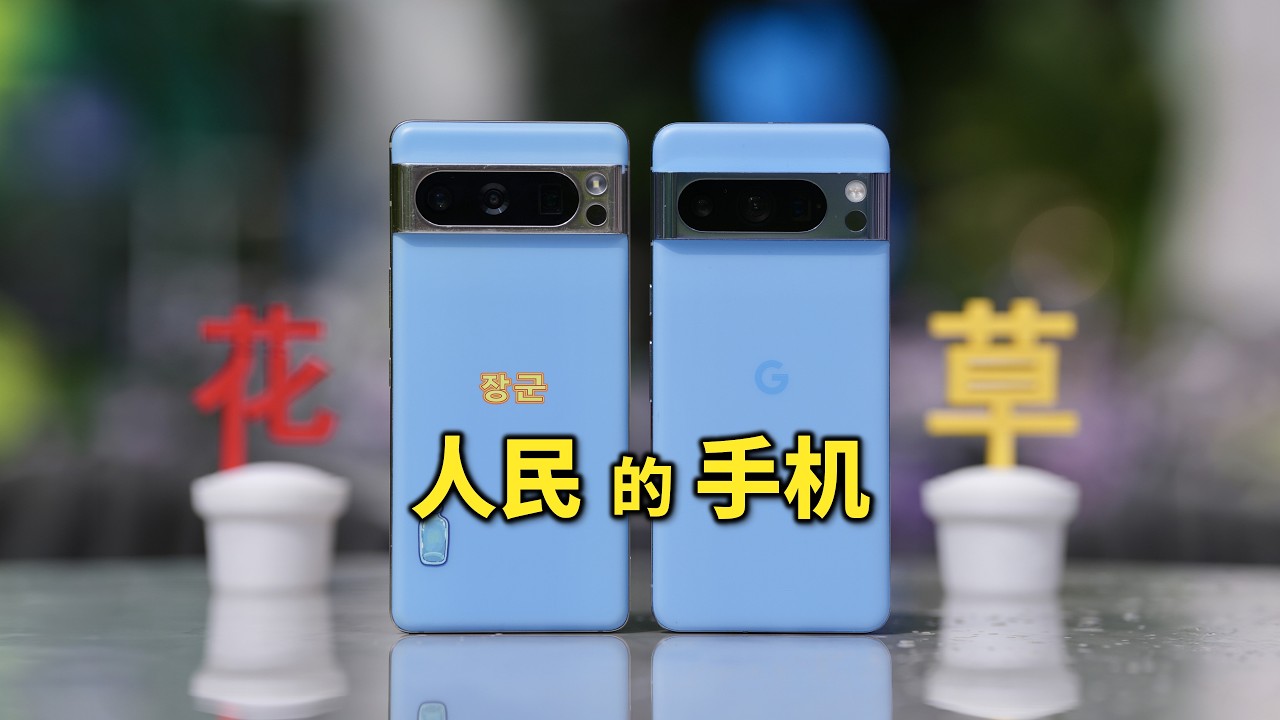
A curious smartphone from North Korea is drawing attention for its striking resemblance to the Google Pixel 8 Pro.
However, unlike classic imitations that lose all charm as soon as they are powered on, this device hides interesting technical specifications, reaching to surpass the reference model in terms of camera autofocus capability and RAM.
Pixel 8 Pro, the clone from North Korea has more RAM than the original
At first glance, it appears almost impossible to distinguish this clone from the original US product. The design faithfully reproduces the famous horizontal band that houses the cameras and the matte back panel, replicating the Pixel 8 Pro’s design.
The device, ironically nicknamed “People’s Pixel“, appeared in a video by creator fenibook, who explained how the North Korean logo originally printed on the back was covered to perform the review.
The first differences are evident when examining the internal components. Abandoning the Tensor G3 processor, exclusive to the American brand, the manufacturers opted for a MediaTek Dimensity 7050 chip.
Although this processor cannot compete with Google’s advanced artificial intelligence capabilities, it offers a clear practical advantage: during extended gaming sessions or heavier workloads, the smartphone maintains temperatures significantly lower than the real Pixel 8 Pro.
Besides better heat dissipation, the clone comes with 16 GB of RAM and 256 GB of storage, a memory configuration that surpasses the 12 GB found on the base version of the genuine flagship.
Unexpected cameras and maximum software freedom
Even the screen and the camera setup offer features entirely atypical for an imitation. The front panel supports a refresh rate of 120 Hz, while on the back there is a system consisting of a 50 MP main sensor, a 50 MP wide-angle, and a 50 MP periscope telephoto with 3x optical zoom. In addition, there is a 32 MP front sensor.
The most interesting aspect concerns the telephoto: according to tests, the lens allows taking macro photos from a much closer distance than Google’s original lens, giving the copy a clear advantage in this specific usage scenario.
Finally, the handling of the operating system adds another piece to this curious tale. The phone ships with a factory-unlocked bootloader, an unusual choice that lets users easily install Google’s Pixel software and freely use Google services, bypassing the typical software restrictions of North Korean smartphones.