


As the wait for Google’s official unveiling of the new flagship lineup shortens, recent details allow us to clearly outline not only the features of the Pixel 11 family but also the mid-range strategy for the coming year.
The latest rumors confirm that the flagship series will bring with it a refined Face Unlock system, designed to work best even in the dark.
At the same time, the more affordable model arriving in a few months will remove the limitations of the past, inheriting the same powerful processor developed for the higher-end models and delivering top-level performance.
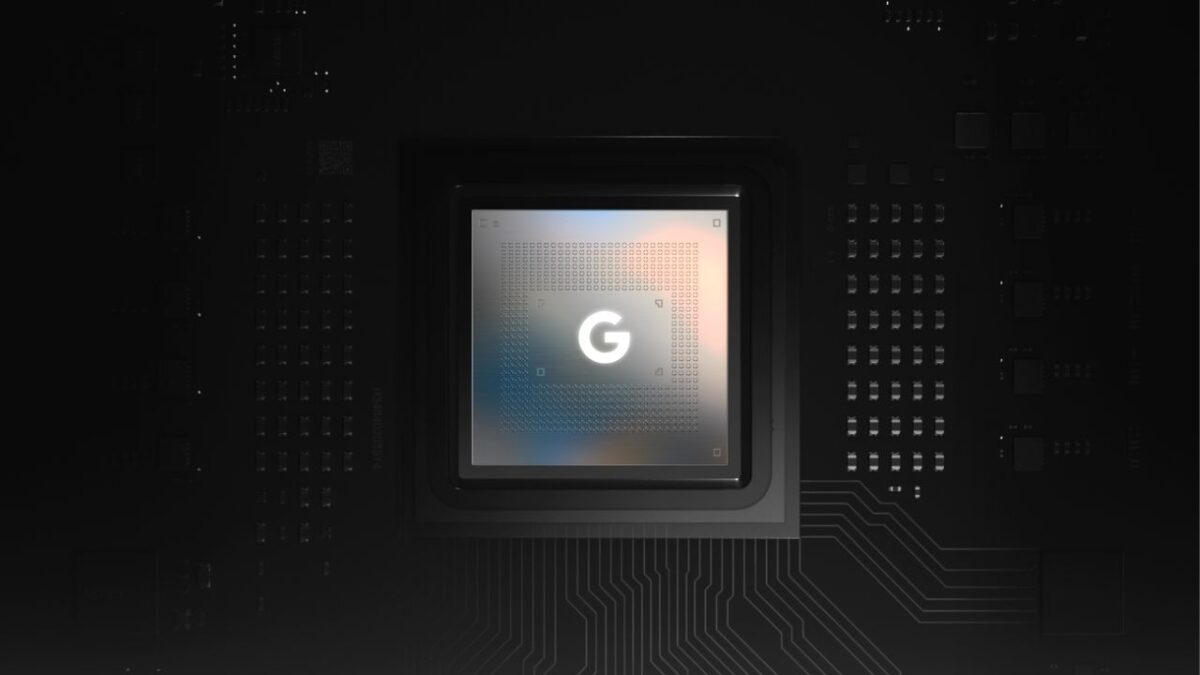
Pixel 11, improved face unlock and Tensor G6
The launch of the new Pixel 11 lineup is drawing near, and one of the most discussed aspects concerns biometric security systems.
According to information disclosed by reliable sources close to the company, Mountain View engineers have managed to implement tangible refinements to Face Unlock technology. The unlock experience will be faster, inherently more secure, and, crucially, extremely precise in low-light conditions.
Initially rumors suggested the use of a complex infrared technology to overcome the darkness issue, but subsequent communications indicated a delay in preparing this specific component.
It is not entirely clear, then, whether the best expected performance stems from hardware integration completed at the last moment or, on the other hand, from an incredible software optimization applied to the standard camera.
The Mid-Range Comeback
The Pixel 10a had disappointed many enthusiasts due to the reiteration of the same processor as the previous generation, a move probably dictated by high production costs.
The future Pixel 11a, internally identified with the codename Formosan, will instead correct this course. The device will rely fully on the Tensor G6 processor, codename Malibu, ensuring complete compute parity with high-end devices.
The hardware platform will work together with the security module Titan M3, with a latest-generation MediaTek M90 modem and a PowerVR C-Series CXTP-48-1536 GPU. RAM will settle at the classic 8 GB, more than enough to handle local processing and everyday tasks.
The specs also extend to the device’s physical aspects. The front panel will be a 6.3-inch display with a resolution of 1,080 x 2,424 pixels. The screen will feature a variable refresh rate between 60 and 120 Hz and will show a peak brightness increase, reaching up to 3,350 nits or 2,250 nits when HDR is active.
Leaked documents indicate a slight reduction in battery capacity, dropping from the previous 5,000 mAh to the current 4,870 mAh. Among other notable novelties is the adoption of a completely new front-facing camera module, nicknamed dokkaebi.
Consumers will be able to choose among elegant color tones such as Obsidian and Fog, paired with more original color options named Olive and Frost.
The Expected Timelines
The Pixel 11a’s launch is reasonably scheduled for March 2027.
But industry insiders’ curiosity doesn’t stop at this model: leaks indicate that within the laboratories the Pixel 12a project is already in an embryonic stage, currently hidden behind the codename Marmoset.
Waiting to cast our eyes toward the distant 2028, the market’s attention is entirely focused on the imminent confirmations regarding the main series.