


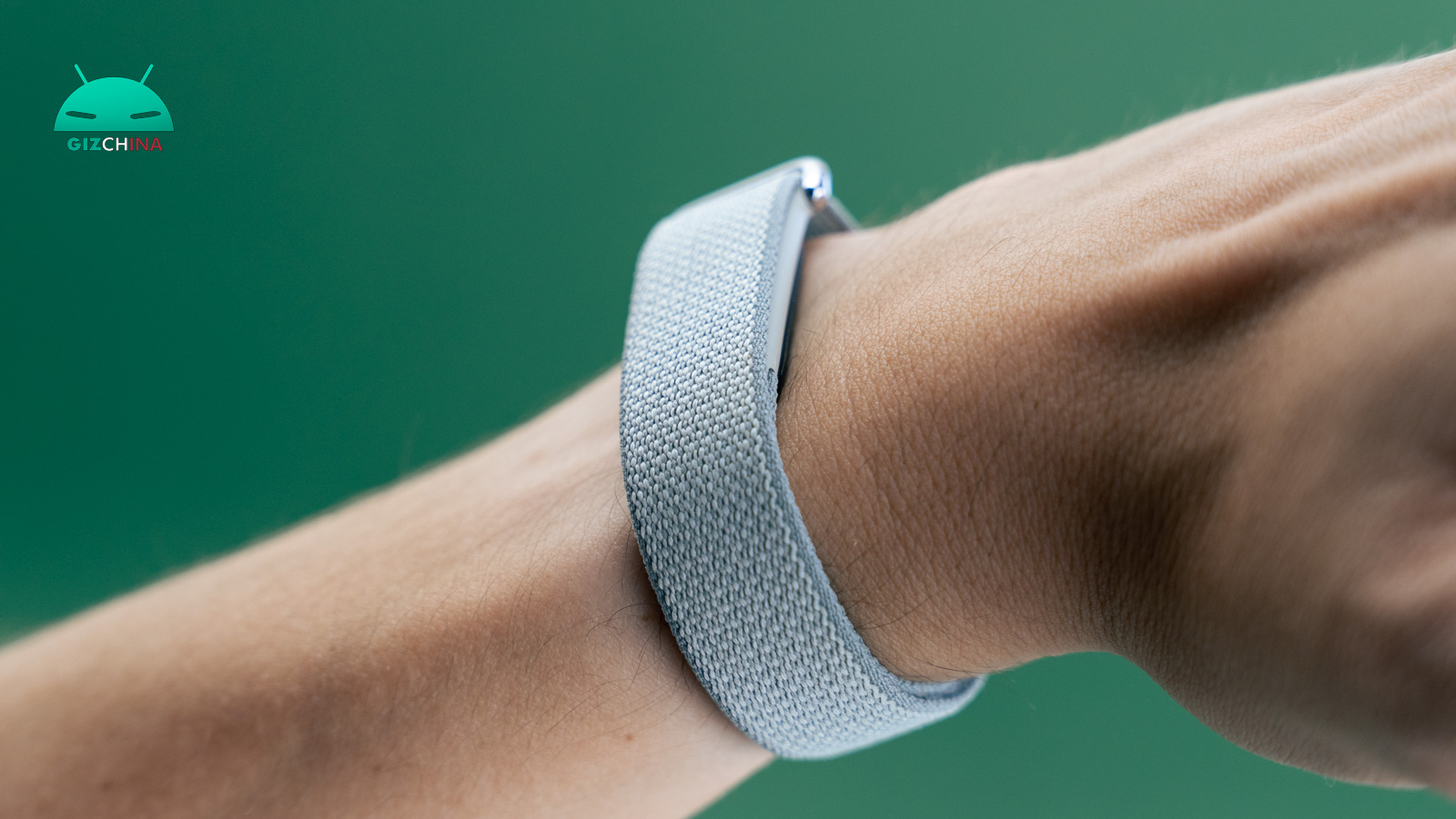
After an initial period characterized by two important revisions of the Google Health, the new Google wearable device receives its first true post-launch software update.
Although users had already downloaded an OTA package during initial setup, the classic day-one update essential for boot, Google’s Mountain View company has now begun rollout of a new firmware for Fitbit Air.
Fitbit Air updates, what are the new features?

One interesting aspect concerns the nomenclature used to identify this new package, which differs slightly depending on the operating system of the smartphone paired to the wearable.
On iPhones, the identifier appears more succinctly as 20001.253.2. On the Android side, however, the company adds the prefix 67, bringing the full string to 67.20001.253.2, while keeping the software architecture intact.
The installation process follows the well-known conventions for those who have already used smartwatches or fitness trackers: as soon as the file is ready for download, the Google Health app shows a handy notification in the form of a card directly on the screen dedicated to device management.
Currently, the rollout progresses gradually and has not yet reached the total global user base. Company spokespersons clarified that this specific package mainly targets the correction of system errors and the general improvement of operational stability.
Targeted interventions on sports monitoring
Through the interventions made available during June, the company has managed to resolve some specific issues related to monitoring physical activity.
The first significant intervention addressed problems related to the lack of data during export of files in TCX format. This annoying anomaly manifested mainly during sessions recorded via Fitbit Air using GPS connected to the smartphone, or when tracking involved multiple applications or tools connected to the Google Health ecosystem.
The brand has also worked to fine-tune the application’s responsiveness during real-time monitoring of workouts, stepping in to make the system more robust in those adverse situations where a temporary loss of connectivity between the bracelet and the smartphone occurs.
Ongoing development for autonomous activities
The refinement work does not stop at technical corrections alone. In addition to ensuring the solidity of measuring body parameters, Google’s engineers are focusing their efforts on the expansion of the hardware’s autonomous capabilities.
Among the commitments is the ongoing improvement of internal algorithms to gradually increase the number and types of motor activities that the device is able to recognize automatically.
This step will allow athletes to focus solely on the training underway, leaving the smart bracelet to initiate the correct tracking at the exact moment the physical effort begins, thus ensuring seamless physiological data capture free of glitches related to manual command activation.