


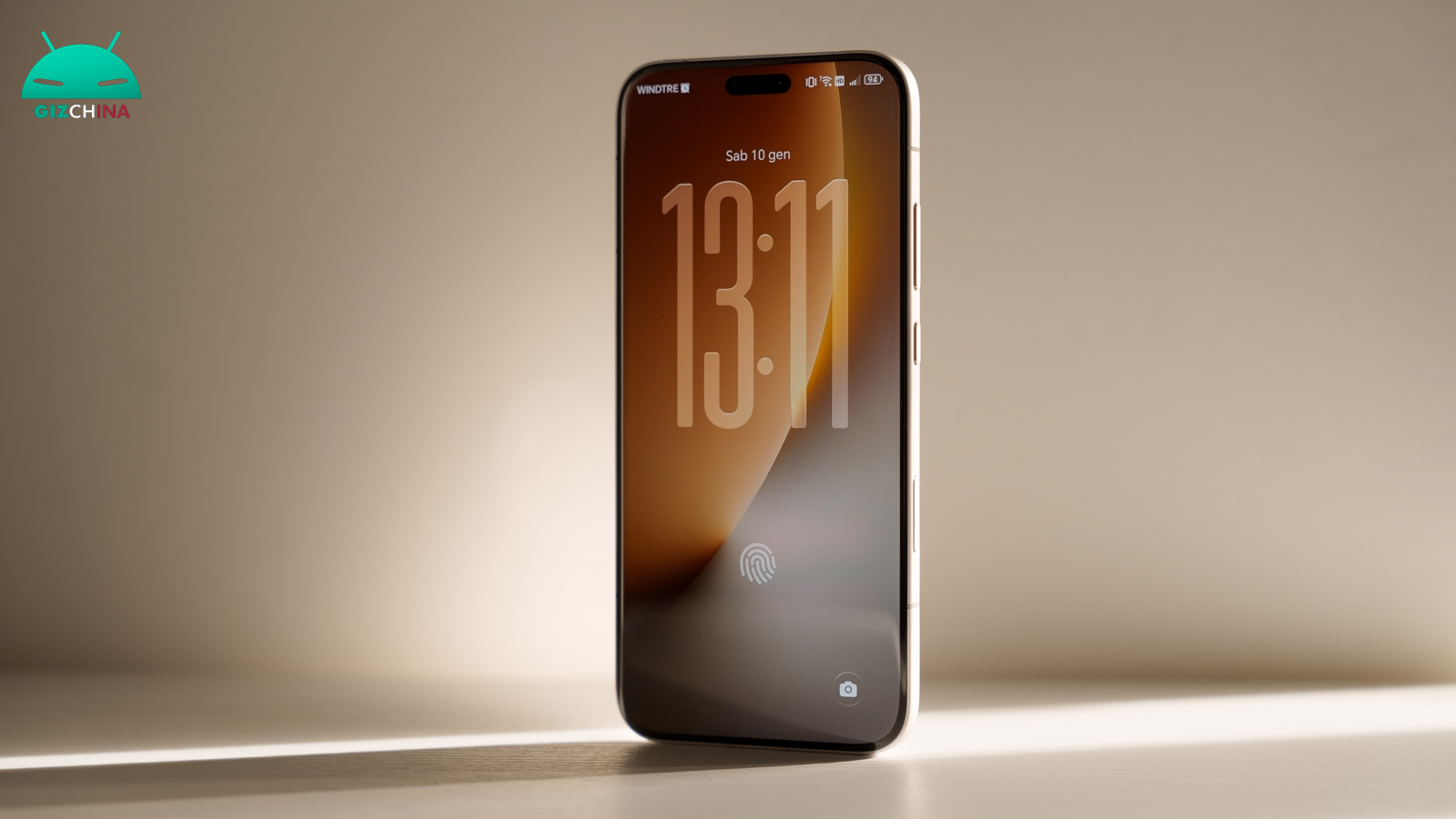
There’s little to be done and it’s useless to beat around the bush: in the tech world Apple and Samsung are the trendsetters, and once an interesting trend is launched all manufacturers chase the latest novelty. For the iPhone 18 series we look at the color Dark Cherry, which will surely appear in the palette of 90% of future flagship models.
Samsung, instead, has rolled out the Privacy Display, a feature (that combines hardware and software) capable of darkening the view of the display (or portions of it) for people positioned to the side.
Honor is preparing its Privacy Display to challenge Samsung

Among the brands that will take on subway snoopers, Lei Jun’s company is in the mix: Xiaomi 18 Pro should offer the Privacy Display feature similar to that of the Galaxy S26 Ultra but now another company is stepping in on this novelty. Also Honor would be working on its own version, in collaboration with a Chinese panel maker.
According to what has leaked so far, the Privacy Display should debut on at least two upcoming smartphones. It will almost certainly be Honor Magic 9 and Magic 9 Pro, since leaks talk about displays 6.3″ and 6.8″ – thus in line with previous rumors, which also mention a supposed Pro Max version Pro Max.
The launch of the series is expected for October (in China), so it will still take some time.
Samsung’s technology will be for everyone, but we will have to wait
Some Chinese manufacturers have decided to build in-house a version of Samsung’s Privacy Display, but others would rather wait.
According to the insider Digital Chat Station, the Korean tech giant won’t keep this technology exclusive but will be available in the future also for other companies. However, you would have to wait by the end of 2028.
It’s likely that third-party brands will also develop versions that work only on the software side, and Xiaomi itself would be working on it (certainly for the budget devices in the Redmi and POCO lines).
Remember that the ‘true’ Privacy Display arises from the union of hardware and software features. Samsung’s solution is based on a display with standard pixels (for the front view) and pixels covered by directional filters.