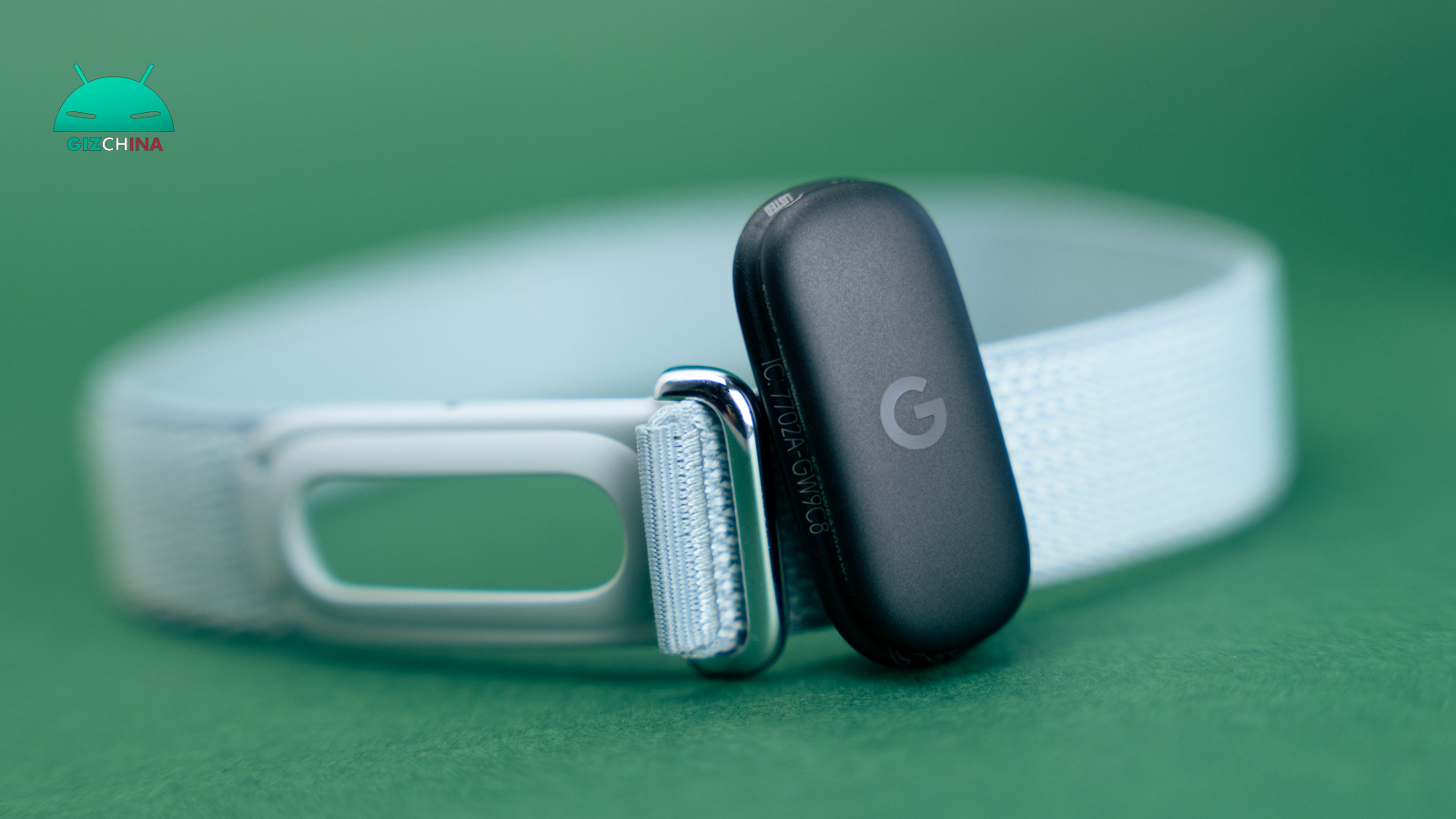
The open and collaborative approach that characterized Google‘s early years is making a comeback with an unexpected move aimed at tech enthusiasts and independent makers.
About a month since the launch of the new Fitbit Air, the Mountain View company has decided to publish the hardware specifications and the guidelines for designing accessories dedicated to the tracker.
This openness, usually reserved exclusively for third-party commercial partners, allows anyone to create customized straps using the device’s removable capsule design.
Create your Fitbit Air band, Google publishes the guidelines

To concretely support designers in this creative initiative, Google has shared the CAD drawings in 2D format in PDF format. These documents illustrate in detail the geometry of the capsule that houses the sensors and the housing structure used for the official bands.
The files include fundamental guidance on manufacturing tolerances, on the mating dimensions and the forces required to attach and detach the device safely.
The tracker housing uses a delicate tension-based snap mechanism, and adhering to the tolerances indicated in the drawings is essential to ensure the module remains securely locked during the most intense physical movements, while also maintaining some structural flexibility to facilitate extraction.
A dedicated page on the Google Store delves into the needs related to continuous vital parameter monitoring. For the optical sensors for heart rate and blood oxygen level to work properly, the entire measurement area must maintain constant and perfectly snug contact with the skin.
Designers are invited to develop designs capable of applying at least 35 mmHg of nominal pressure, equivalent to about 0.68 psi, to ensure optimal performance even while the user is running or engaging in intense physical activity.
In addition to these precise recommendations are the directives on materials: the company strongly recommends the use of metals, leather, and safe and widely tested fabrics to limit contact allergies, providing a detailed list that sets strict environmental standards and chemical limits.
AI can help hobbyists
Although the provided files are not 3D models ready to be uploaded to a printer, the completeness of the dimensions and tolerances allows easy reconstruction of the band geometry using common modeling software.
Generative AI can also assist hobbyists: starting from Google’s original documents, it’s possible to leverage modern assistants to write code dedicated to OpenSCAD or to obtain step-by-step guides capable of turning 2D drawings into printable solids.
Thanks to this extensive information sharing, the compact fitness tracker becomes an extremely customizable tool, encouraging an entire community to explore novel solutions such as elastic bands for the biceps or experimental mounts suitable for every kind of workout.