


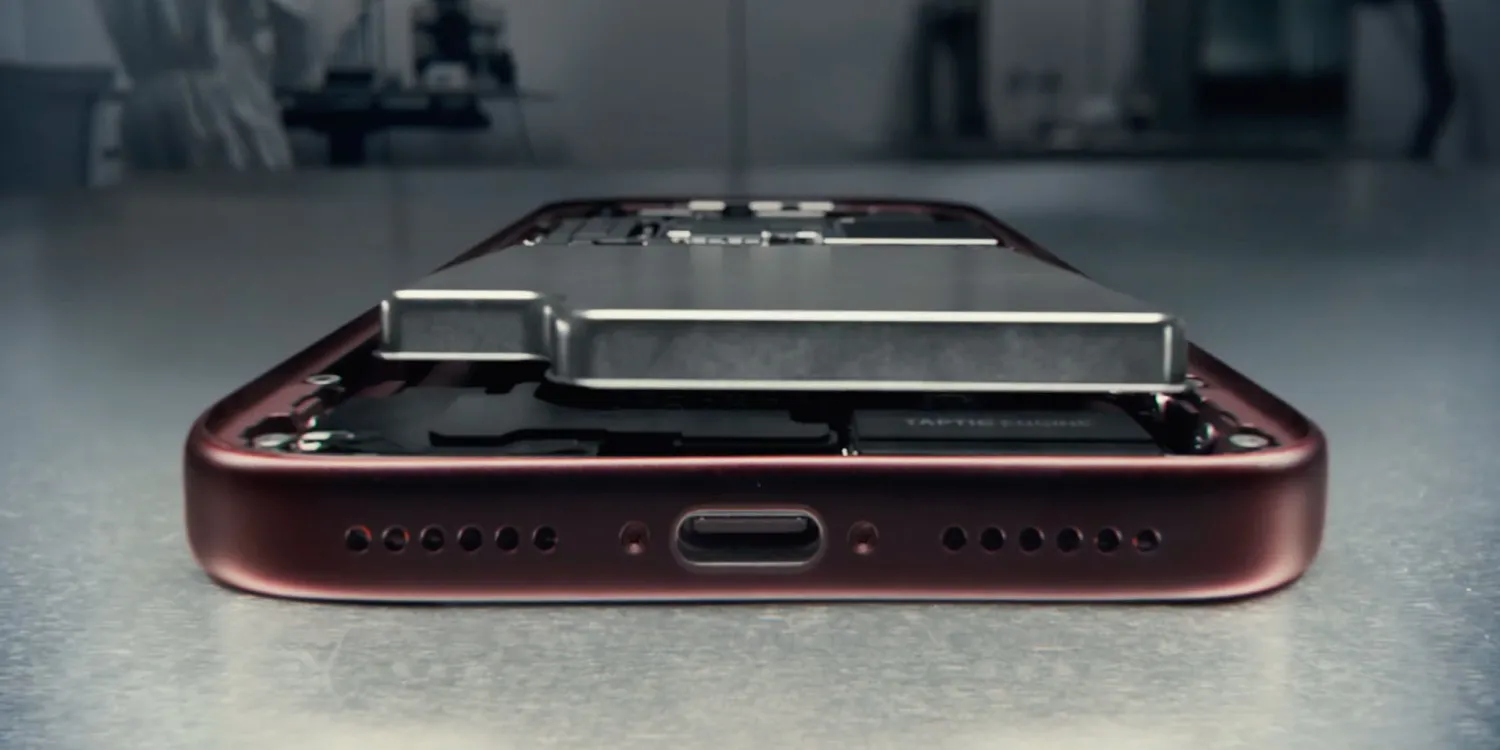
Recent teardown tests conducted on Apple’s new flagship models, the iPhone 18 Pro and iPhone 18 Pro Max, have highlighted notable issues regarding repair procedures.
According to iFixit experts, the design choices adopted by the company entail uncomfortable compromises, making internal interventions particularly complex and potentially costly.
The main problems focus on two fundamental aspects of the device: an extremely delicate camera mechanism and a display frame that appears unusually fragile during removal.
In light of these discoveries, the benefits offered by the new hardware components seem not to justify the risks and costs associated with maintenance, suggesting utmost caution to potential buyers and reducing the reasons to switch to the new model.

The main focus of the criticisms concerns the main camera of the iPhone 18 Pro series, which has been equipped with a new variable aperture.
This mechanism is composed of six tiny blades, each with a thickness comparable to that of a human hair. The manufacturing tolerances are so tight that iFixit specialists consider repairing a single internal element almost impossible.
Consequently, a potential failure of a blade will inevitably require replacement of the entire camera block. The expected costs for this operation are projected to be very high: even for the previous model, the entire replacement block was offered at $249, and the presence of the new variable aperture will further inflate this figure.
Elizabeth Chamberlain, iFixit’s Director of Sustainability, has stressed that the real benefits for image quality are minimal. Due to the small sensor size and the short focal length, the aperture fails to generate a pronounced background blur, not able to replicate the visual result typical of larger dedicated cameras.
Repairs threaten the display’s integrity
Another hurdle to maintenance concerns access to internal components, starting with the battery. The latter is housed in a metal tray fixed with screws, a great solution in itself that would make its replacement easy.
However, to physically reach the battery it is necessary to first remove the display, and it is in this step that the greatest difficulties arise. During testing, the plastic frame that keeps the display in place was damaged in three of the four devices analyzed.
In addition to the need to soften the adhesive with heat, the risk of mechanical breakage remains high. If the frame cracks, repositioning and sealing the display correctly becomes complicated, possibly forcing the user to proceed with the full replacement of the entire display panel.
Although a similar plastic frame has been present since the iPhone 15 Pro generation, in previous models it had never caused such problems. Four phones opened are considered too small a number to establish a definitive failure rate, but the situation worries analysts as any internal repairs would risk systematically damaging the intact display.
The final verdict on cost-effectiveness
Considering all these structural issues, the iFixit team has so far given the iPhone 18 Pro and Pro Max a provisional 7 out of 10 repairability score, but warns that the score could go up or down depending on future dissections.
This numerical value is identical to that obtained for the iPhone 17 Pro, but Chamberlain noted that the new generation overall appears less repairable in reality.
The experts’ final advice to owners of recent models is to skip this update cycle altogether. As highlighted at the end of the technical review, the most sustainable smartphone in the world remains simply the one you already have in your pocket.