


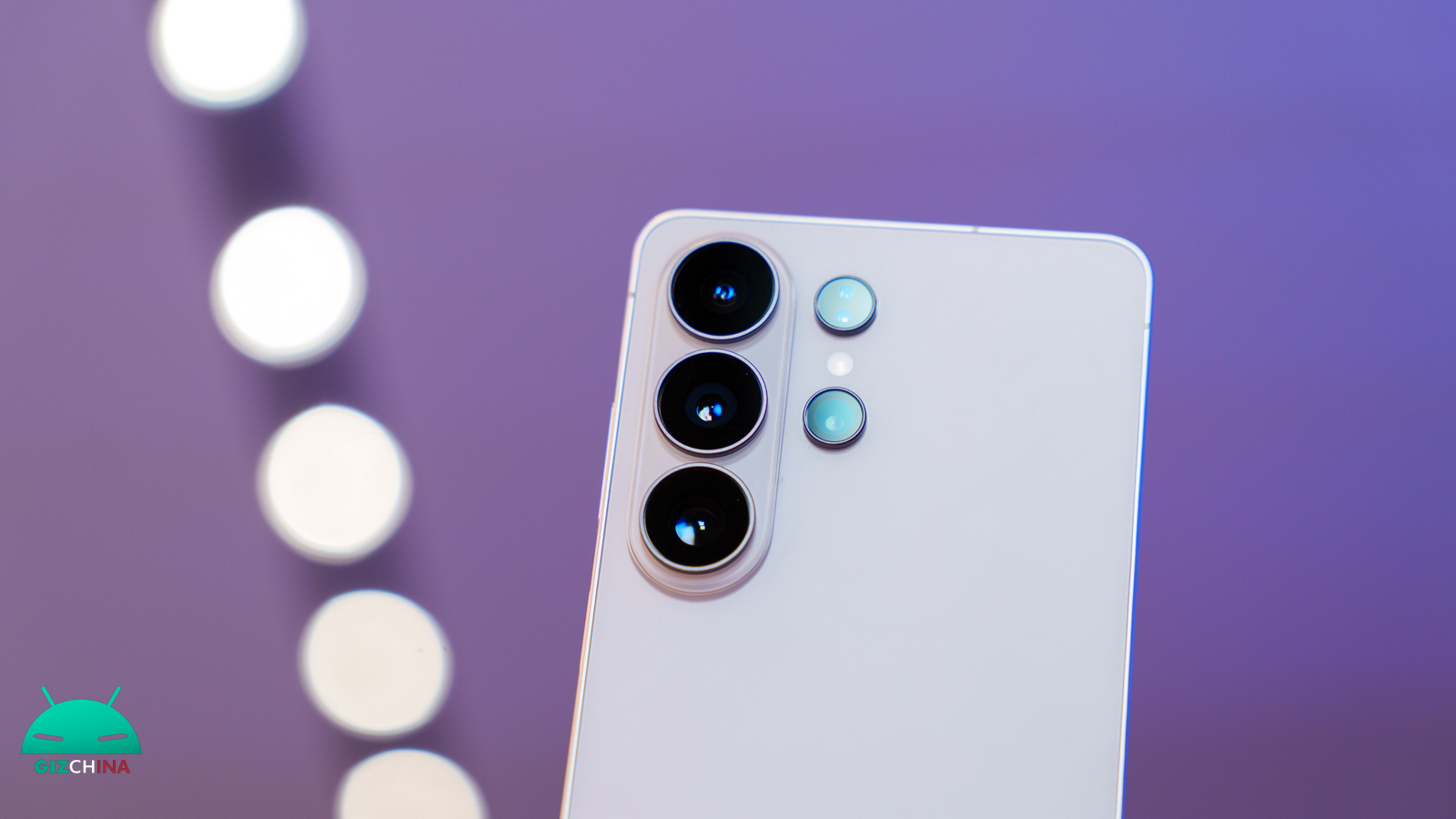
Samsung has started mass production of its new ISOCELL HPC sensor 200 MP capable of capturing much more light than previous generations and delivering top-tier video performance.
Despite the excellent technical premises and a redesigned structure to maximize detail rendering, the latest rumors point toward an unexpected direction: this sensor will not find a place on Samsung Galaxy S27 Ultra, but will enrich devices from competing brands.
Samsung ISOCELL HPC, jaw-dropping performance but not for S27 Ultra

The new ISOCELL HPC presents itself with a 1/1.3" format and large 0.6 μm pixels, dimensions that faithfully reflect those of other 200 MP models already on the market.
The real novelty introduced by Samsung lies in the unprecedented architecture called DeepPix. This solution goes beyond the features of the previous Front Deep Trench Isolation, increasing the light collection capacity of the single photodiode, technically known as Full Well Capacity, by 60%.
The practical result of this substantial increase translates into shots and recordings characterized by significantly lower digital noise and a much more pronounced rendering of details, both in areas of strong shadow and in those with bright lighting.
Zoom, video fluid and ultra-high-speed shots
The component’s capabilities extend far beyond the megapixel count. The ISOCELL HPC guarantees support for single-frame HDR, operating optimally on integrated magnifications of 1x, 1.5x, 2x, 3x and 4x.
This flexibility allows taking photos and shooting clips while maintaining excellent quality at intermediate crop levels, a feature particularly useful for smartphones without a dedicated 3x telephoto lens.
From a video standpoint, the sensor pushes up to the format 4K at 180 fps, easily surpassing the 120 fps limit imposed by previous-generation hardware, while retaining the ability to record in 8K at 30 fps.
Notable are also the performance figures for burst shooting: the system can capture 7.5 frames per second using the maximum 200 MP resolution. Reducing the format to 50 MP increases the speed to 30 fps, while at 12.5 MP you reach the incredible 180 fps.
The technical package is completed by the advanced Super QPD autofocus system and by the ability to export uncompressed files in formats RAW10, RAW12, RAW14 and native 16-bit RAW.

Strategy and plans for the Galaxy S27 series
Although the specifications of the new arrival perfectly match the size of the camera hardware seen on recent Ultras, internal strategies seem to chart a different path.
Forecasts suggest that the upcoming Galaxy S27 Pro and Galaxy S27 Ultra will adopt a different sensor, with the new ISOCELL HP6 likely.
This sensor is expected to incorporate a superior technology called LOFIC (Lateral Overflow Integration Capacitor), developed specifically to push dynamic range, color accuracy and noise suppression even higher.
Consequently, the ISOCELL HPC will make its way onto high-end devices from well-known Chinese brands such as OPPO, Vivo and Xiaomi, which will be able to leverage the capabilities of the new sensor in the months to come.