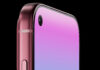


The coming weeks will be crucial for fans of the Chinese brand: August should see the debut of HyperOS 4, the new version of Xiaomi’s interface. The update is expected by the end of the year, but Lei Jun’s company usually announces the upcoming features during the year’s hottest month.
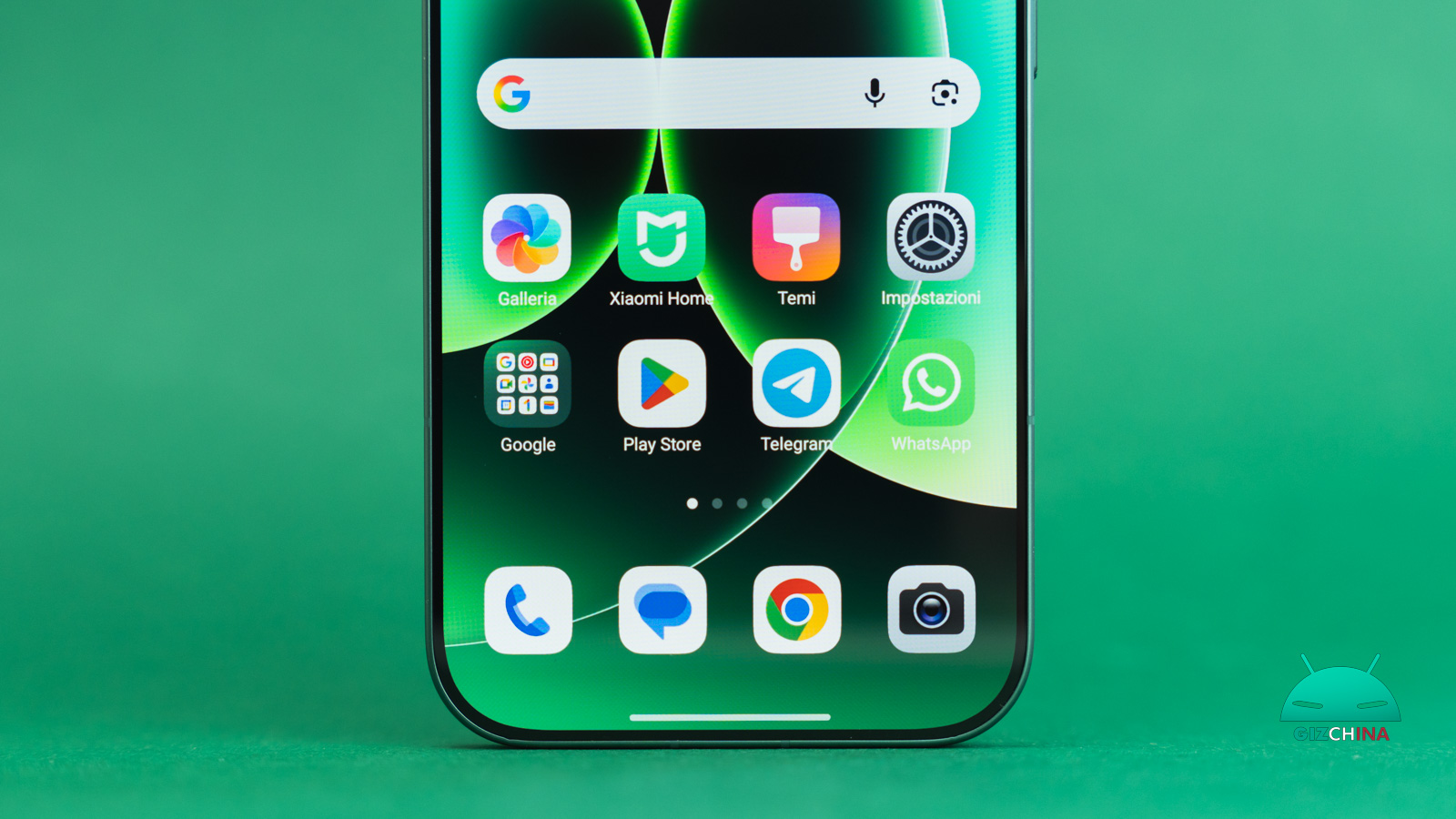
Meanwhile, rumors continue around one of the software’s most controversial elements: the introduction of an aesthetic close to Cupertino’s Liquid Glass Design, a feature that seems indispensable but perhaps there is good news for the detractors.
The Liquid Glass style will also arrive on HyperOS 4, but only for Xiaomi premium

Just a few hours ago we witnessed the first announcement dedicated to MagicOS 11: Honor has already adopted a sort of translucent design, but with the new update things have become more intense. So, Xiaomi should also opt for a similar style, at least according to what has emerged from leaks so far.
A video previews the early stages of the installation of HyperOS 4, with images showing various interface details. In addition, the new effects had already been seen thanks to an early beta release of Xiaomi’s new launcher.
The Liquid Glass, first introduced by Apple, is a design style that focuses on the semi-transparency of windows and interface elements. Folders, icons and other details gain reflections and light refractions thanks to a highly refined glass effect, elegant and capable of delivering visual depth.

However the feature carries a cost in terms of resources, and the ‘confirmation’ comes from the latest rumors. According to what has emerged, the Liquid Glass style of HyperOS 4 will be available only for premium smartphones and tablets, with on-board chipsets:
- Snapdragon 8 Elite or higher;
- Dimensity 9500 or higher;
- XRING O1;
- XRING O3.
Qualcomm and MediaTek SoCs need no introduction, while the XRING series is Xiaomi’s proprietary chip lineup, present only on some models distributed in China. XRING O3 is still unreleased and should debut soon, together with Xiaomi’s new foldable.
More elegance also means more power

Recently the Chinese insider Digital Chat Station revealed the three main points of the brand’s new UI: glass effect, adaptive colors via artificial intelligence, and real-time light plays. The same leaker states that the new changes will not drastically change the look of the interface, but the aesthetic details will appear up to 100 times better than HyperOS 3’s design.
An improvement of this magnitude, with a more refined and curated visual experience, requires more resources and hence the need for powerful hardware.
However it’s good to wait for official details: remember that initially the HyperIsland feature was limited to certain models, but user dissatisfaction opened the doors to greater compatibility.