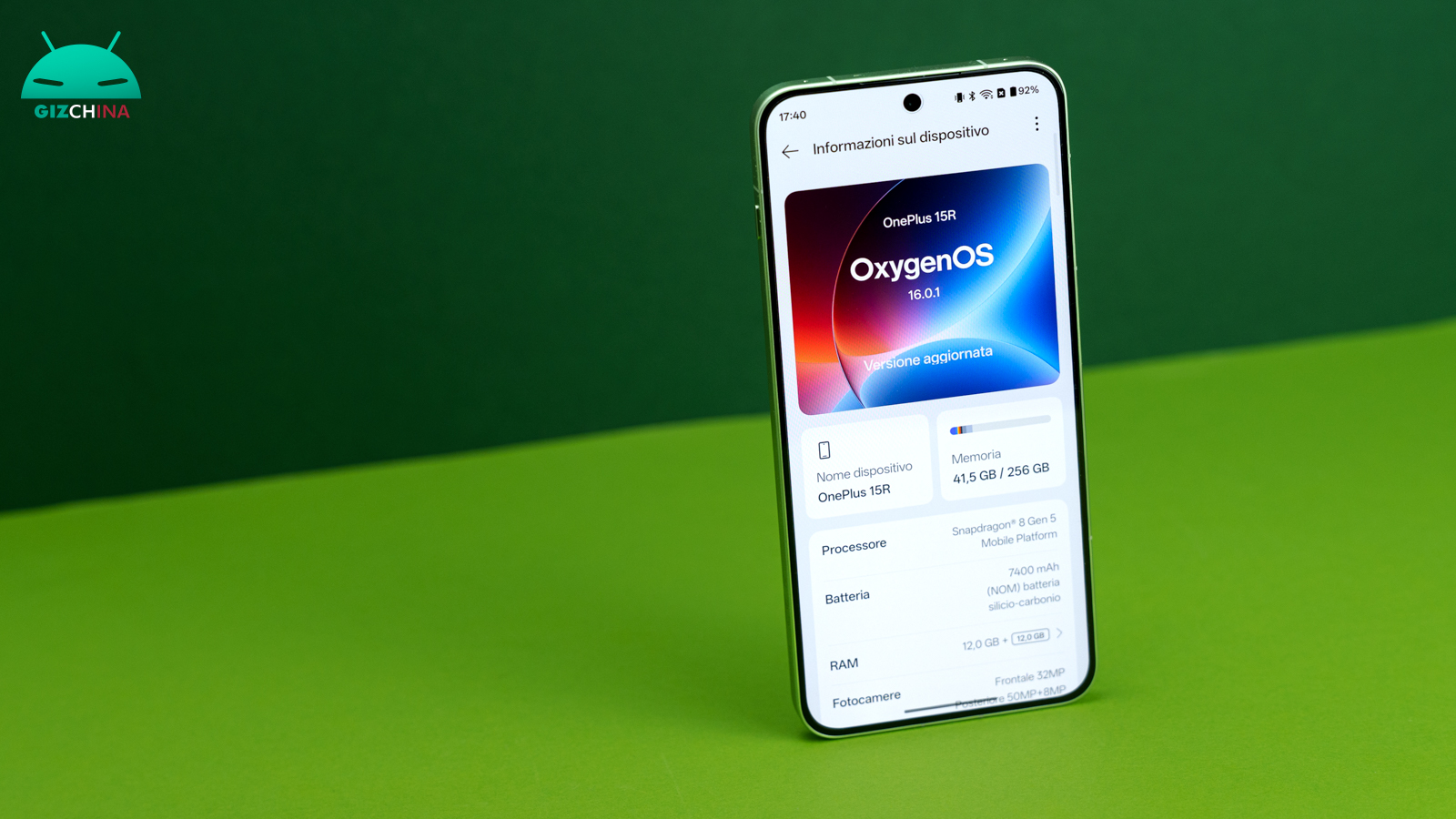
By mid-July, OnePlus announced the farewell to Europe and the United States, a real blow for fans of the iconic brand that introduced the concept of the flagship killer — coined in 2014 for the debut of its first smartphone.
The models currently on sale will continue to be supported, but with another major change. There will be no new OxygenOS version and the compatible devices will be able to move to ColorOS 17: waiting for an official list, here is the list of the most likely candidates that should receive the update.
OnePlus Smartphones and Tablets Will Receive ColorOS 17: Here Is the Provisional List

As announced by the company itself, after the release of ColorOS 17 users who own OnePlus devices eligible for the update will be able to choose to switch to the latest version of the OPPO-branded interface. The older models that are not eligible will continue to receive software support until the end of their life cycle.
At the moment none of the brands involved have published an official list of OnePlus smartphones and tablets that will receive the ColorOS 17 update. Waiting to learn more, here is a provisional list containing the names of the most probable candidates.
Flagships
- OnePlus Open
- OnePlus 15
- OnePlus 15R
- OnePlus 13
- OnePlus 13R
- OnePlus 13s
- OnePlus 13T
- OnePlus 12
- OnePlus 12R
- OnePlus 11
Mid-range
- OnePlus N6
- OnePlus Nord 6
- OnePlus Nord CE 6
- OnePlus Nord CE 6 Lite
- OnePlus Nord 5
- OnePlus Nord CE 5
- OnePlus Nord 4
Tablets
- OnePlus Pad 4
- OnePlus Pad 3
- OnePlus Pad 2
- OnePlus Pad Lite
- OnePlus Pad Go 2
When Will the ColorOS 17 Update Be Released?
The release of the new version of OPPO’s interface is expected for the autumn of this year. Probably ColorOS 17 will be announced in October, as has happened in the past. However, for absolute certainty, we will need to wait for an official statement from the brand.
Let us remember that OnePlus is not the only brand involved: also Realme smartphones will move to ColorOS, a move driven by the need to optimize resources (not to mention that OxygenOS and Realme UI have long been nothing more than a customized version of OPPO’s UI).