


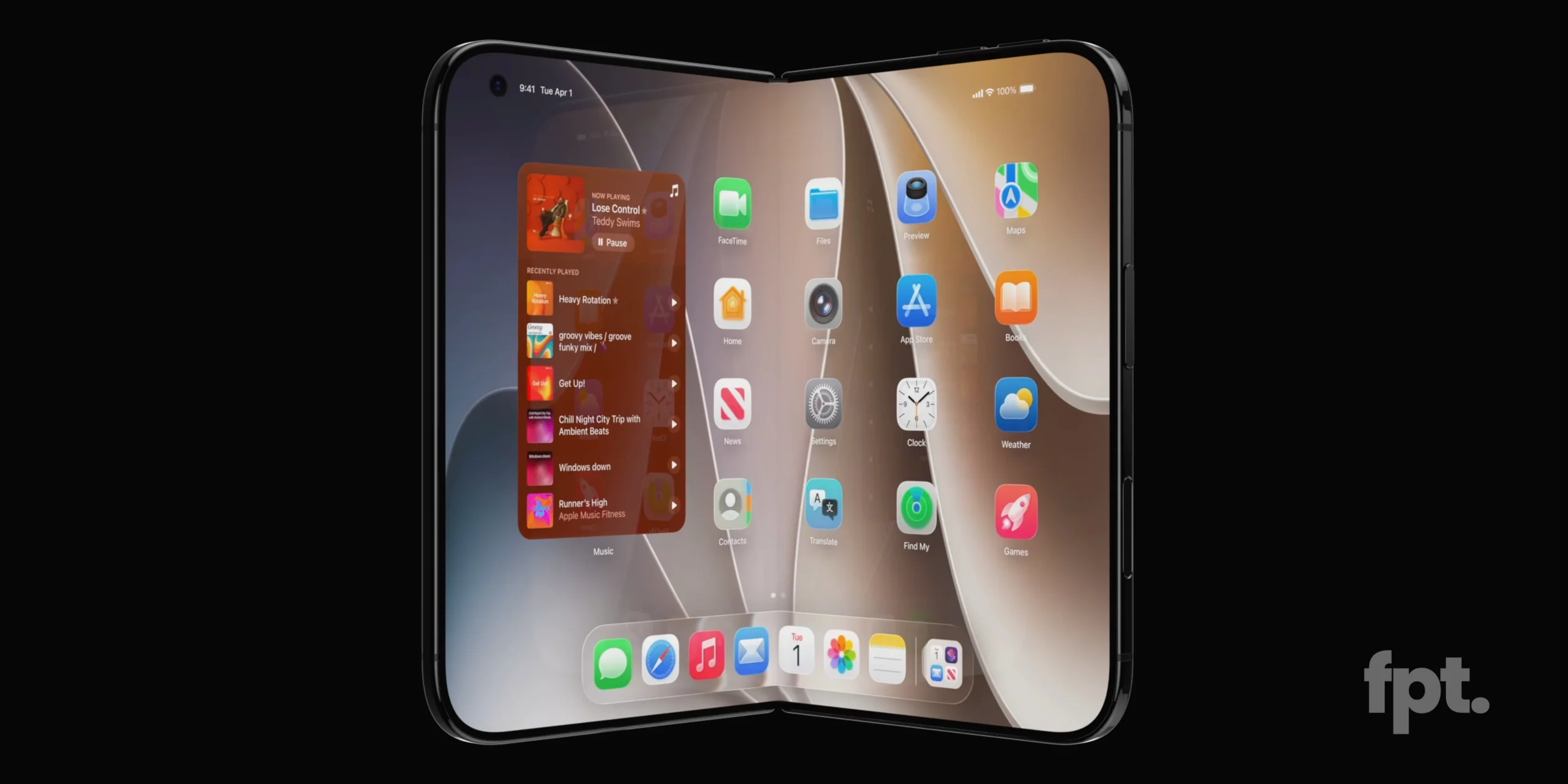
The entry of Apple into the foldable smartphones sector is one of the most discussed events of the past months, expected for September 2026.
The Californian company is preparing to unveil its first foldable, often identified by sources and leaks with the name iPhone Ultra.
The wait for this product must, however, be measured against a very pragmatic reality. Analyzing the movements within the supply chain, a conservative corporate strategy: the estimated production volumes confirm that the foldable model will represent a minority share of the brand’s portfolio.
iPhone Ultra, Apple orders few displays compared to other models

Data leaked from OLED panel orders indicate production of about 10 million units for the new foldable device.
This is a relatively modest figure by the company’s standards, especially when compared with the 90 million displays ordered for the flagship standard versions, namely the iPhone 18 Pro and iPhone 18 Pro Max.
This clear disparity suggests that the Californian leadership is well aware of the slow adoption of foldable formats by the general public and prefers to limit the initial availability of the product to gauge market response.
The supplier map for 2026
The handling of display orders provides a very clear view of priorities. Samsung Display has secured exclusivity for producing the screens destined for the first iPhone Fold. The same South Korean company has also been entrusted with orders for 2 million panels destined for the future iPad mini and a supply not numerically specified for the MacBook Pro line.
On the other hand, LG Display will play a primary role in the wearables sector, producing as many as 34 million screens for the upcoming series Apple Watch 12.
The massive production load of 90 million displays for the iPhone 18 Pro, however, will be shared equally between the two South Korean entities.
It appears, however, that the Chinese giant BOE is completely excluded from top-tier agreements. In conjunction with these industrial strategies, analysts foresee a potential revision of the retail price lists for the new flagship models, with increases estimated between $50 and $300, justified by rising component costs.