


The global shortage of semiconductors is pushing Apple to seek new foundries beyond TSMC.
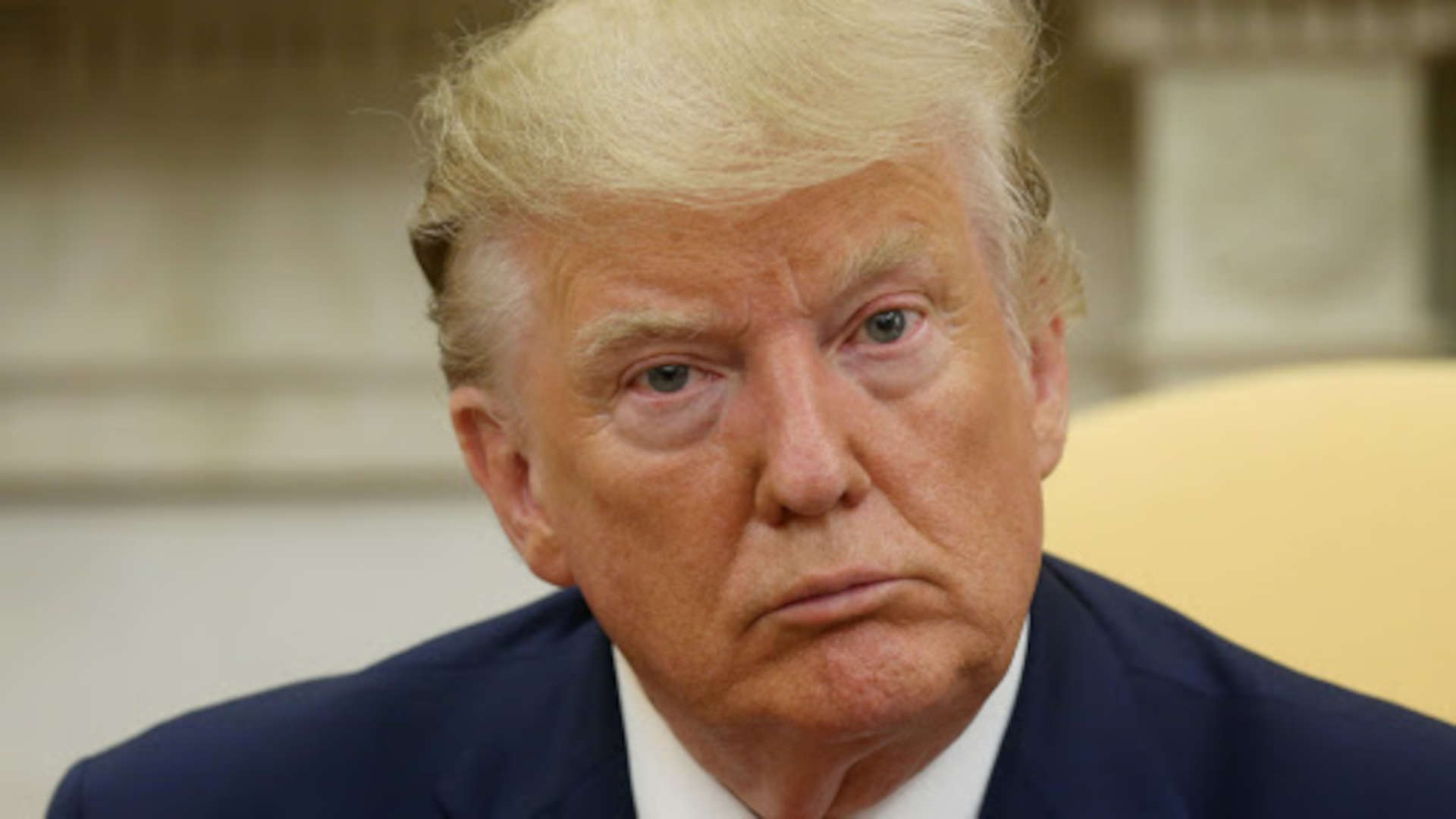
According to a recent post by Donald Trump on Truth Social, the Cupertino company would have reached an agreement with Intel to produce chips in the United States. The deal would strengthen American manufacturing, but an official confirmation is still awaited.
Apple and Intel together for the “Made in USA” chips

TSMC, the world’s largest contract semiconductor manufacturer, is currently facing a limited production capacity due to overwhelming demand from companies focused on artificial intelligence.
As a result, giants like Apple are actively evaluating viable alternatives, looking with interest at competing foundries such as Samsung and Intel to guarantee the continuity of their assembly lines.
In such a context, a rumor emerges directly from the Truth Social profile of President USA Donald Trump. According to the post, Apple has struck an agreement with Intel for design and production of chips on U.S. soil.
This agreement would allow the Cupertino company to ensure a steady flow of semiconductors, easing the load on a saturated TSMC, and simultaneously giving Intel an additional push for its corporate revival. The market reaction was swift, driving Intel’s stock to record highs shortly after the post.
A return to the past with different logic
The two companies share a long history of technology. Intel has actually been the exclusive supplier of processors for the Mac line until 2020, when Apple introduced its own custom silicon, the M1 series, moving away from components from Santa Clara.
This new collaboration, however, does not foresee a return to Intel processors inside Apple devices. Rather, the company led by Tim Cook appears intent on leveraging Intel’s infrastructure exclusively for foundry services, outsourcing part of the manufacturing to reduce dependence on foreign suppliers.
The US government currently holds a 10% stake in Intel, a share that today is estimated at around $60 billion. For some time the Trump administration has been pressing for American companies to reduce dependence on China to bring critical components production back within national borders.
Intel is quickly gaining ground thanks to this political push: it has already closed deals with NVIDIA and, recently, Elon Musk has announced the intention to use Intel’s 14A production process to fab chips destined for his new Terafab complex in Texas.
Despite the enthusiasm generated in the markets, caution is necessary. The history of presidential statements on these topics suggests great prudence, leaving open the concrete possibility that the described deal has not yet been officially signed.