


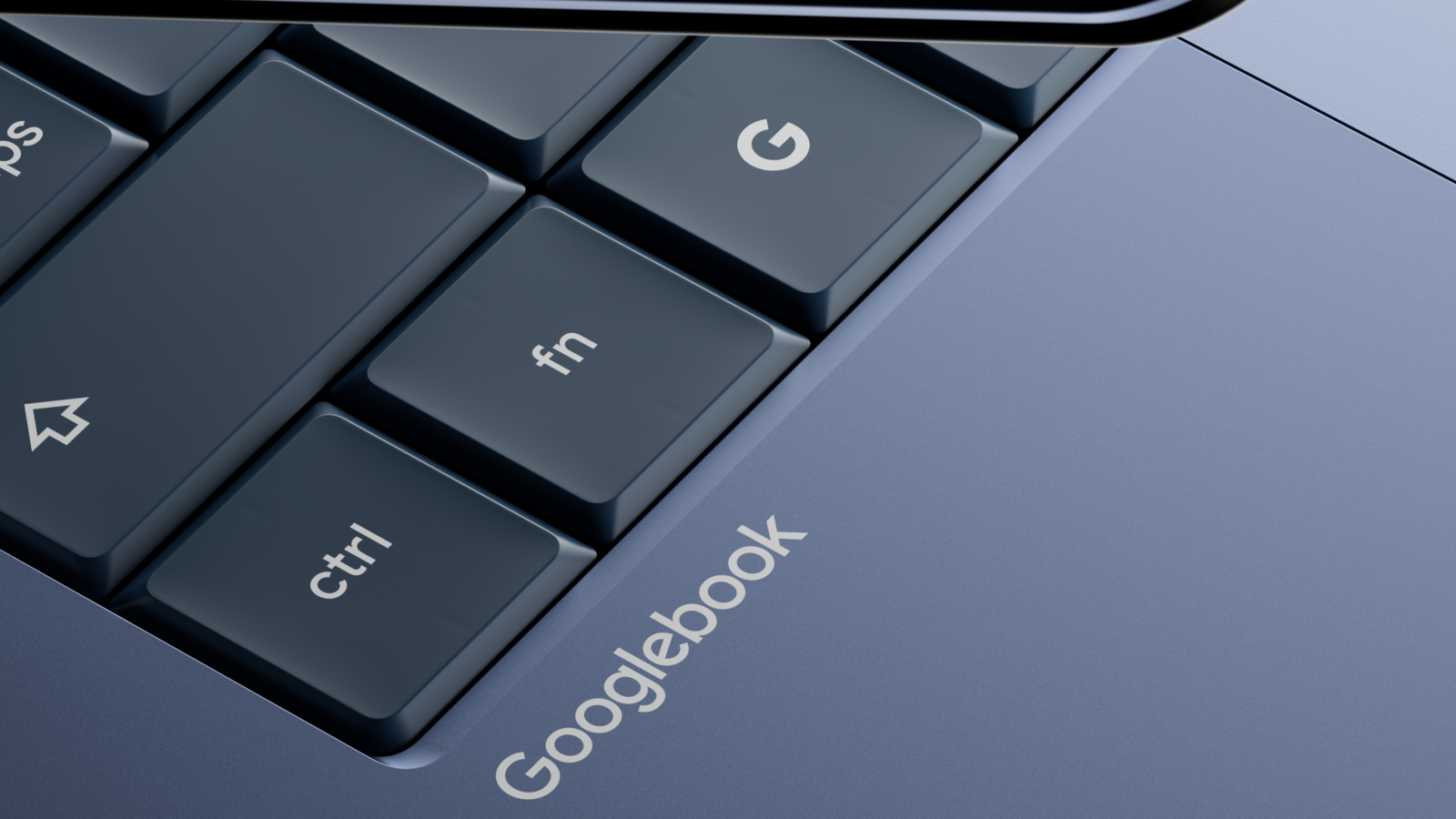
During yesterday’s event “The Android Show“, the Mountain View company officially unveiled the Googlebook project, a new development line that will progressively replace the historic Chromebooks.
The main question concerns how to manage laptops already purchased and regularly used in educational, business and home settings. In a direct communication, the company sought to reassure its customers, confirming that Chromebooks will not be abandoned.
The computers will continue to receive regular updates for the duration of their planned life cycle, guaranteeing the same security and management tools that have made them popular worldwide.
An even more interesting aspect concerns the long-term future: many of the models currently in circulation will be deemed suitable for >a transition to the new software experience that will characterize the Googlebooks. The company has promised to publish the exact list of compatible models around the official launch.
Goodbye Chromebook? Yes, but for some there will be a second life

The main question concerns how to manage laptops already purchased and regularly used in educational, corporate and domestic settings. In a direct communication, the company sought to reassure its customers by confirming that Chromebooks will not be abandoned.
The computers will continue to receive regular updates for the duration of their planned life cycle, guaranteeing the same security and management tools that have made them popular worldwide.
A further interesting aspect concerns the long-term future: many of the models currently in circulation will be deemed suitable for transitioning to the new software experience that will characterize Googlebooks. The company has promised to publish the exact list of compatible models around the official launch.
An unprecedented but familiar operating system
Statements by John Maletis, vice president and a key figure in ChromeOS development for over a decade, have allowed adding further technical details to the project.
From a software standpoint, the environment that will power the Googlebooks does not yet have a definitive commercial name. It will be a system based on Android, capable of offering an interface very similar to the desktop mode typical of smartphones connected to external monitors.
Users will face an environment in many ways familiar, but deeply redesigned. Several features could radically change, operate in new ways, or even be removed, as designers are reworking the entire software interaction from the ground up.
Premium hardware and notable omissions
At the hardware level, the new direction will move away from the budget models that made Chromebooks popular, firmly targeting the high end of the market.
The first wave of devices will be classified as super premium. Close collaborations for component supply include names such as Intel, Qualcomm and MediaTek. Intel’s presence ensures the essential compatibility with the x86 architecture, while Qualcomm will contribute with its desktop processors from the Snapdragon X series.
Looking at the list of manufacturing partners ready to debut for the autumn 2026 launch window, Samsung’s absence stands out. While rumors suggested the preparation of a Galaxy Book with an Android operating system, brands like Dell and Lenovo remain the only ones confirmed for the very first phase.
Company executives have declined to comment on any plans for a fully in-house computer, which ironically would bear the unlikely name of “Google Googlebook“. However, development seems to be progressing at a rapid pace: the same 45-minute interview given by Maletis was conducted entirely using a working prototype of a new Googlebook.