


The well-known audio streaming platform Spotify takes another step toward integrating diverse services within its ecosystem.
If until today users only selected the ideal soundtrack for their gym sessions, now the app aims to become the gym itself.
Spotify: a new space dedicated to fitness

The corporate expansion strategy is becoming increasingly concrete, bringing guided training experiences directly to smartphone screens.
The basic idea is simple: since people already open the app to find the right boost during physical exertion, why not offer them the actual workouts as well?
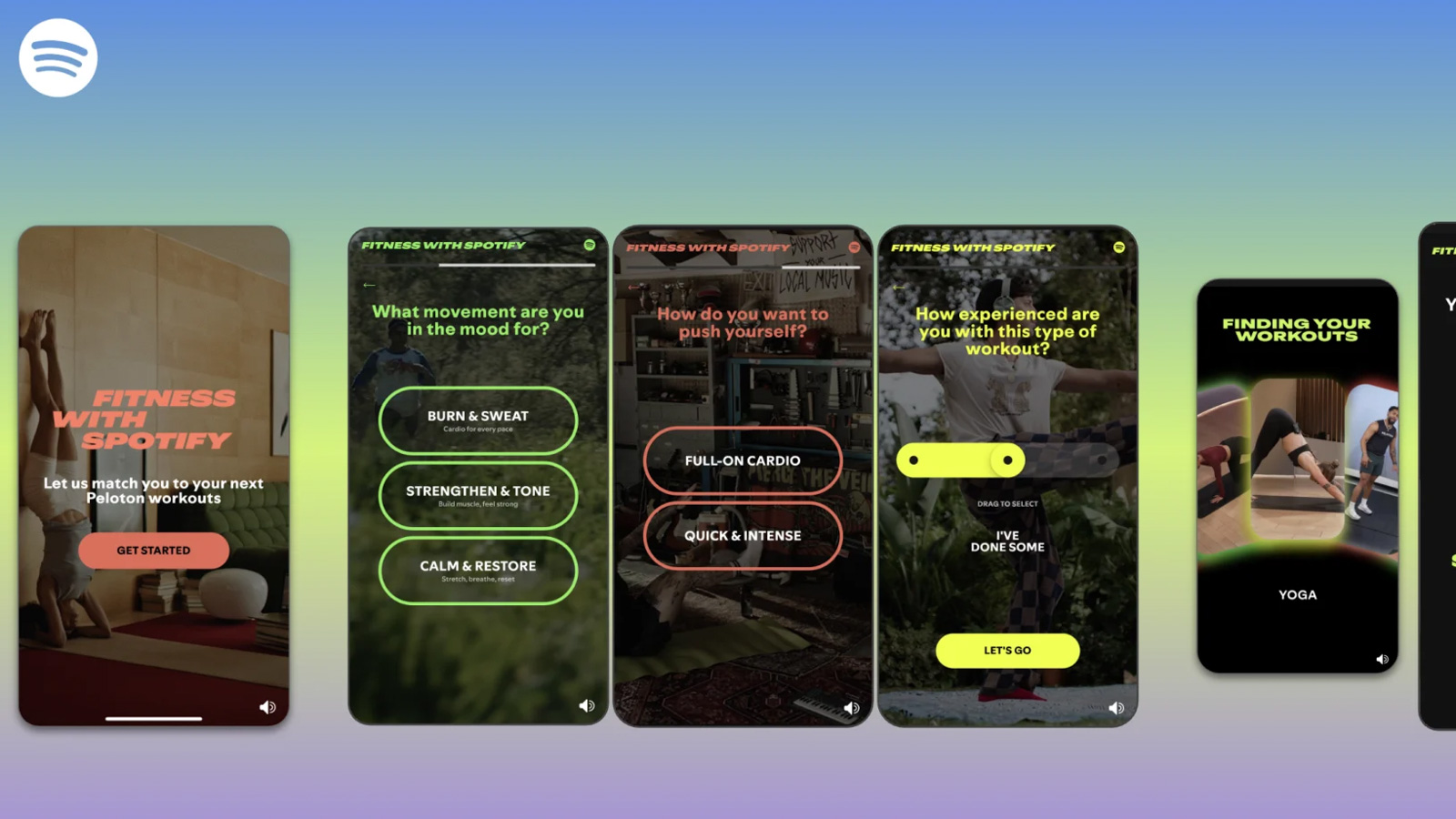
At launch, the new virtual space dedicated to physical activity brings together music selections, instructors and complete workouts in a single environment, making access to training as immediate as playing a track.
Both free accounts and Premium will have access to guided sessions by highly followed content creators, including Chloe Ting and Kassandra Reinhardt, as well as industry brands like Sweaty Studio and Pilates Body By Raven. This allows the platform to enrich its offering in a structured and integrated way.
The synergy with a fitness giant
The most incisive initiative, however, derives from the close collaboration with Peloton. Premium subscribers residing in select markets can now access over 1,400 on-demand classes, which range from strength training to cardio, up to yoga and meditation, without ever having to close the music application.
Instead of building infrastructure from scratch, the Swedish company has preferred to absorb a well-established brand in the fitness field, adopting a tactic very similar to the one already seen for the recent integration of podcasts and audiobooks.
This choice obviously doesn’t come from nowhere. According to data released by the company, almost 70% of Premium users work out regularly every month, and globally there are over 150 million dedicated playlists exclusively for sporting activity.
In practical terms, people have been using the green and black app as a workout companion for many years, and management is simply giving an official face to this established behavior, turning it into a finished product.
The race to the “everything app”
The addition of these features raises a recurring question in the tech sector: how far can a single software expand before its functionalities start to overlap too much?
The company’s narrative focuses on time spent in a deliberate way, pairing workouts with music, video podcasts, and audiobooks within an ecosystem designed for daily life. When the evening run, the moment of meditation, and listening to music all reside in the same interface, the boundary between simple tool and provider of all content becomes enormously thin.
Currently, the application no longer functions solely as a music player, but acts in parallel as gym, library and entertainment hub.
This phenomenon involves a large part of today’s digital industry. Several online platforms continually seek to centralize people’s digital lives in a single place, turning messaging into commerce and entertainment into productivity.
For the moment, exploring this new feature is very easy: just type the word “fitness” in the search bar to open the dedicated hub, where music selections mix with fully guided lessons.