


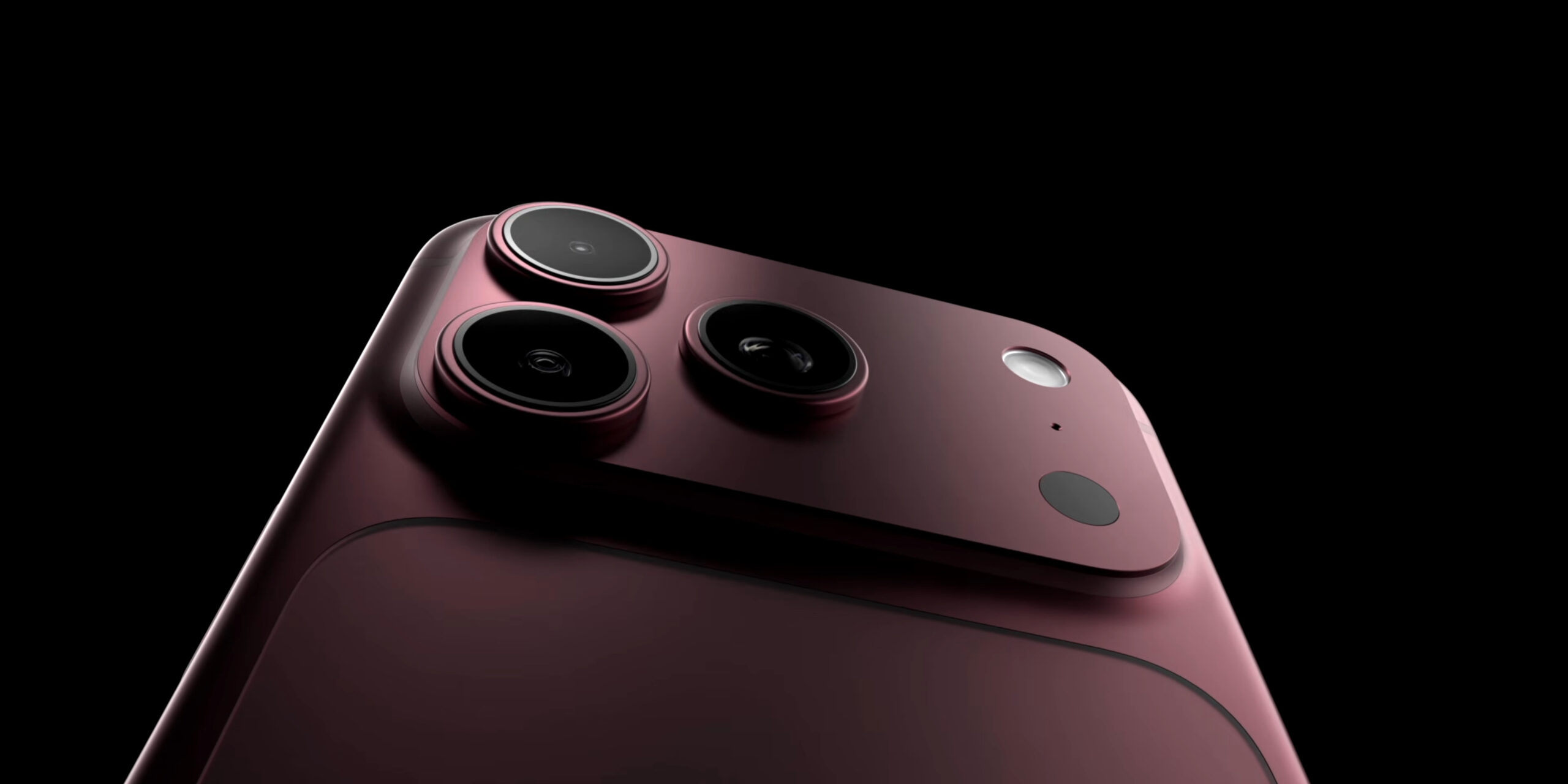
Although there are not yet official confirmations from Apple, the leaked dummies of iPhone 18 Pro Max offer a very clear preview of what the exterior appearance of the upcoming iPhones could be.
The prototypes indicate, in fact, a noticeable increase in the thickness of the camera block on future devices.
iPhone 18 Pro Max, the dummies reveal cameras even more prominent

The images recently shared by the YouTuber Vadim Yuryev, host of the channel Max Tech, directly compare the test shells of an iPhone 17 Pro Max with those of the upcoming iPhone 18 Pro Max. These non-working models, usually produced by case manufacturers based on accurate industrial designs leaked from Apple’s partner factories, show unequivocal differences.
According to observations, the glass protecting the rear cameras protrudes more markedly, while the entire squared island that houses the camera module is visibly thicker than the previous generation.
Looking at the device’s overall dimensions, the total thickness of the chassis should remain unchanged, suggesting a thinning of the rest of the product. In any case, there is also a very slight increase in size for the upcoming Max, with an increase of 0.36 mm in height and 0.39 mm in width.
Yuryev says he is extremely confident about the accuracy of these models, noting that his source proved impeccably last year for the mock-ups of the previous generation.
The motivations behind these differences
The increased bulk of the camera module is well justified by the expected hardware updates of the optical group. The main novelty lies in the probable introduction of a variable aperture for the main camera.
This feature will allow users to physically control the amount of light entering the camera sensor.
Additionally, the telephoto lens should also benefit from a larger aperture. This implementation is designed specifically to capture more light, ensuring better shots in low-light ambient conditions.
Moreover, to make room inside the chassis there may be an integration, on at least one of the 18 Pro series models, of a new three-layer stacked image sensor developed specifically by Samsung. The architecture would enable a far more responsive camera, significantly reducing digital noise in nighttime photos and increasing the dynamic range of captured images.
All these optical and electronic innovations naturally require precious cubic millimeters.
Definitive confirmations of this design are expected around mid-September, the canonical period in which the official unveiling of the new lineup is anticipated, which this year could debut alongside the company’s first and highly anticipated foldable iPhone.