

Farewell MIUI: it’s really the end of an era for Xiaomi

The support for the last two Xiaomi smartphones still powered by MIUI has ended: these are Redmi A2 and A2+, budget phones of the old guard now at the end of life. This is not the end only for the two low-cost devices but represents a definitive farewell to the old version of the Chinese company’s interface – now fully oriented toward HyperOS.

End of MIUI support for the latest Xiaomi devices: we are now truly in the HyperOS era

Xiaomi MIUI
Credits: Xiaomi

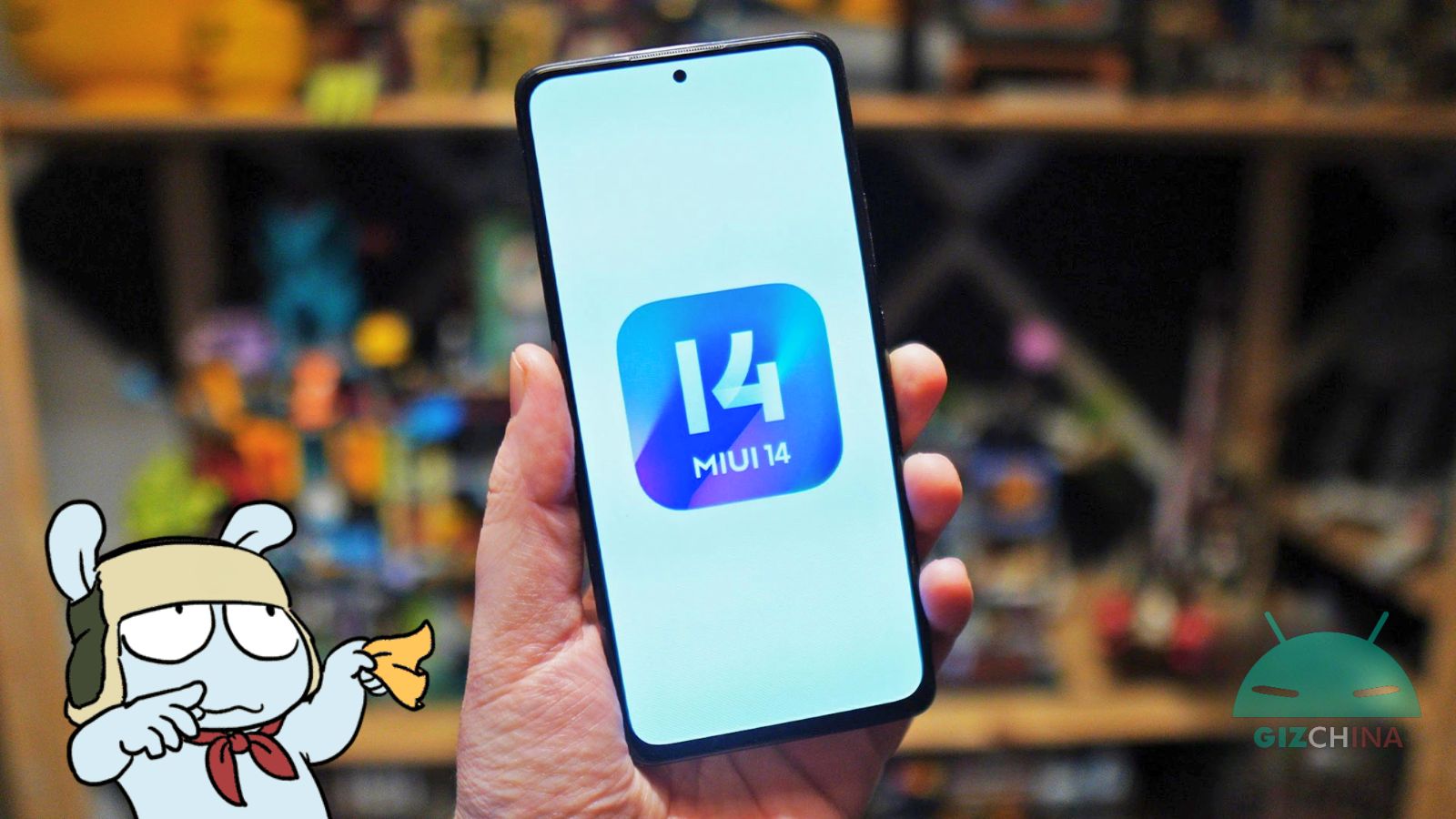
On March 24, 2026, support for Redmi A2 and A2+ ended, although in reality the last update arrived in December, with version V14.0.44.0.TGOMXM. As the build number shows, this is an update of MIUI 14, the former proprietary interface for Xiaomi, Redmi and POCO smartphones.

The Redmi A series budget phones received Android 13 as a major update, after which security patches and minor updates arrived. However now that the two smartphones have entered the EOS list, there will be no more software versions and consequently it’s advisable to move to something else.


MIUI History: from the stars to the end of the dream

</div></figure>

2010 is the year when it all begins: 6 April marks the founding of Xiaomi, while the birth of MIUI is set for August 16, shortly after. In our in-depth article we traced with utmost precision the history of MIUI, from its beginnings up to the debut of the initial HyperOS version.

As longtime Mi Fans will know, the brand’s first product wasn’t a phone but its iconic proprietary interface. MIUI was born as a Custom ROM for third-party smartphones, on the Android 2.2 Froyo base, and quickly achieved notable success.

The secret? Needless to say, the updates: weekly beta versions, the constant addition of new features and a growing number of smartphones supported. The perfect recipe to earn users’ praise and create a Community of enthusiasts, clearly with an eye for tinkers – given the broad support for modding.

One of MIUI’s main aspects concerns the customization: Xiaomi has from the start abandoned Android’s minimalism to give the end user ample room to maneuver. The result is a ROM rich in features and lots of proprietary apps for Phone, Messages, Notes, Music and Gallery, up to themes (to modify icons, sounds, fonts and other elements).

It is thanks to MIUI’s fame that Xiaomi was able to launch its first Mi and Redmi-branded smartphones, first in China and then internationally.

HyperOS Arrives

Things were going smoothly, but in October 2023 something changed: for months there was talk of the unheard-of MIUI 15 but in the end HyperOS 1 was announced, a new version of the UI. The need for a rebrand came with the expansion of Xiaomi’s ecosystem: MIUI was no longer enough to connect the over 200 device categories of the company, and thus work began on a new unified software.

From smartphones to tablets, Lei Jun’s company has moved into the IoT sector and even electric cars: at this point the brand needed a change also in its name.