


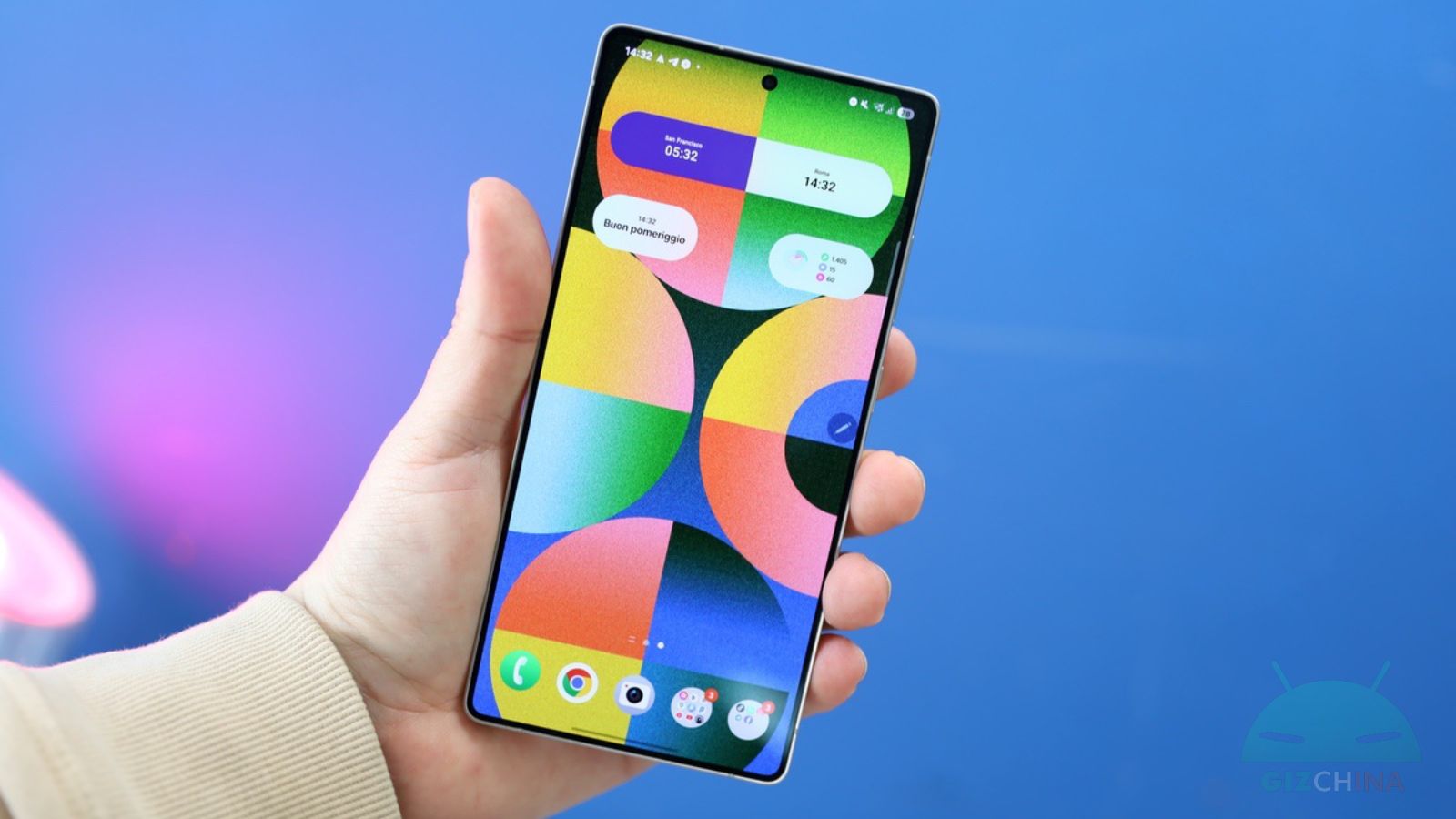
The use of a smartphone in public places brings with it an age-old concern: privacy. Whether it’s reading a work email on the subway or typing a bank PIN in line at the checkout, the feeling of being watched by prying eyes is a common discomfort.
Already last year, analysis of some early builds of the One UI 8.5 had suggested that Samsung was working on a native solution to this problem, named Privacy Display.
Until recently, rumors almost unanimously pointed toward an exclusivity of this feature for the flagship model, the Galaxy S26 Ultra.
However, new revelations that emerged in the last hours could overturn this narrative, opening up interesting scenarios for the other models in the lineup.
The hardware solution from Samsung for privacy is not exclusive to the new Ultra
The breakthrough comes thanks to an in-depth investigation conducted by colleagues at SammyGuru. Just a few days ago, the same outlet had identified a dedicated page for the Privacy Display feature inside the Samsung Tips app, using a device configured to simulate a Galaxy S26 Ultra.
That discovery had confirmed the existence of the feature, but had left open the question of its availability across the entire lineup.
Returning to the topic with new tools, the SammyGuru team conducted a second test, this time fooling the system into recognizing the device in use as a Galaxy S26+. The result was surprising: the Suggestions app showed exactly the same information card related to the Privacy Display that appeared on the Ultra model.
It wasn’t a generic reference, but the same page complete with the demonstrative animations and the descriptive texts explaining how the panel darkens when viewed from the side.
How does the Privacy Display technology work?

The animations discovered within the software offer a concrete look at how this technology works. The system seems designed to drastically reduce viewing angles on demand, making the screen readable only to the person viewing it head-on.
While leaks focus on the software side, it is virtually confirmed that this feature requires a specific hardware component, likely tied to the new OLED panels Samsung has developed for the next generation of flagship devices.
Seeing this option associated with the Galaxy S26+ suggests that Samsung may have decided to extend advanced technologies to the mid-range model as well, reducing the technical gap usually separating the Plus variant from the Ultra.
If confirmed, it would be a notable added value for users who prefer a more compact device without compromising top-notch security features.
Caution before the official release
Despite the excitement this news may generate among brand fans, it is important to maintain a cautious approach. The presence of an informational page in an internal and early version of the software does not constitute an absolute guarantee that the feature will reach the final product.
In such early development stages, it is common for manufacturers to test features on multiple devices, then decide to disable them or limit them only as the commercial launch approaches.
What seems certain, however, is that visual privacy is becoming an increasingly relevant battleground for smartphone manufacturers.
If the Galaxy S26 Plus were to actually debut with Privacy Display, Samsung would send a strong message to the market, making a feature that could soon become a standard for the high end more accessible, rendering traditional privacy filters in tempered glass obsolete.