


Modern logistics has accustomed us to extremely high standards, where waiting more than twenty-four hours for a package seems like an unacceptable disruption and same-day delivery has become the new normal for many global consumers.
However, there exists a recent story that challenges every modern conception of timing and patience, a tale that turns a simple logistical delay into a true and involuntary time capsule.
In Tripoli, Libya, a mobile-phone retailer lived a surreal experience: an order placed back in 2010 was finally delivered in early 2026, sixteen years after the purchase confirmation.
Order phones in 2010, arrive in 2026

The news, emerged through a video shared on the social platform X, shows a scene that is incredible. In the footage a man is seen carefully unboxing a collection of mobile devices that seem to come from another era of technology.
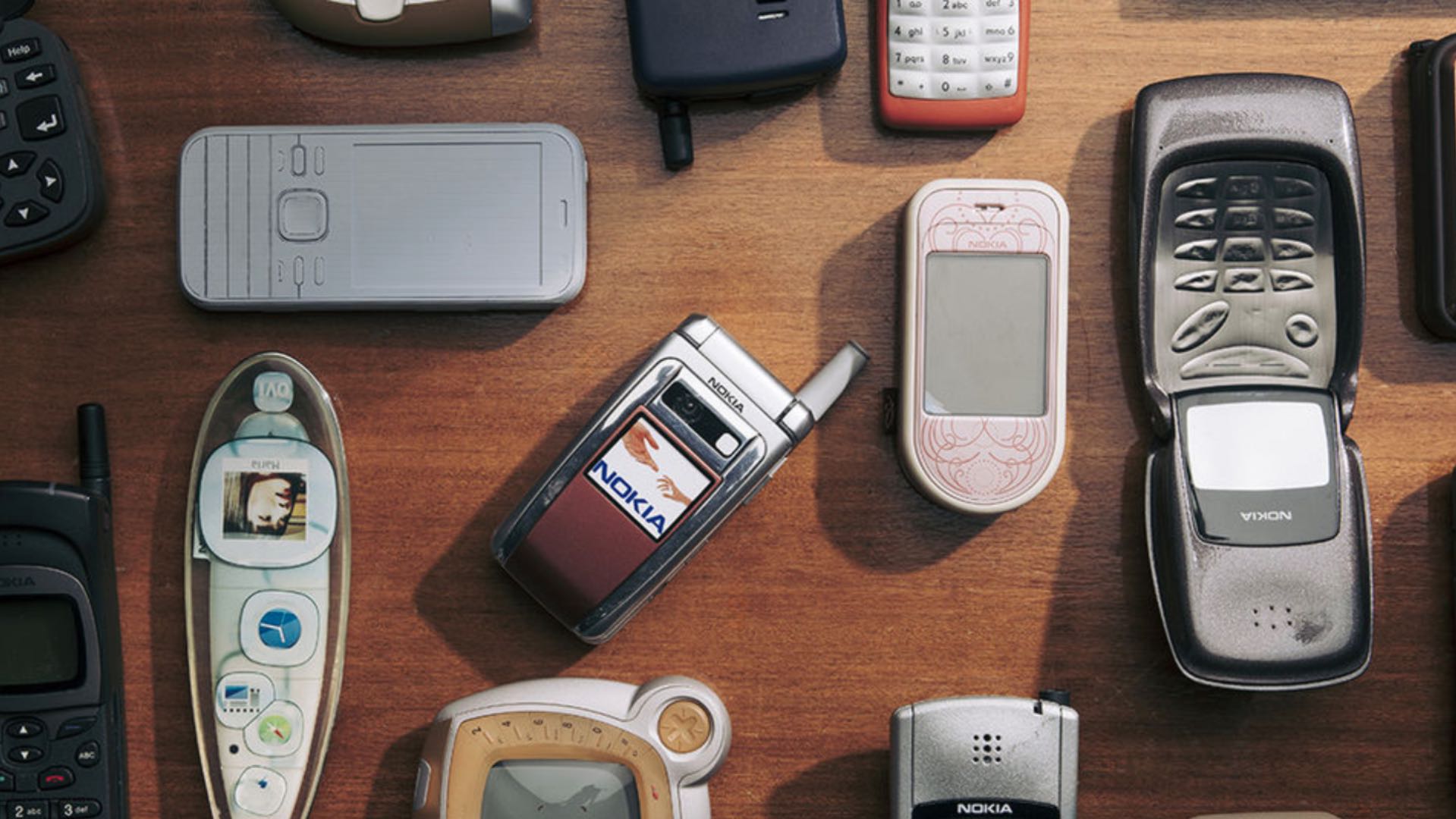
It’s not a system error or a package lost in an international sorting center, but a delivery frozen in time. As the protective plastic is removed, devices emerge that evoke an immediate wave of nostalgia among tech enthusiasts: among them stand out the Nokia 5300 and the legendary Nokia N95.
The Nokia N95, released around 2007, was considered at the time the pinnacle of mobile technology, a status symbol that preceded the era of the total dominance of modern smartphones.
Seeing these devices, perfectly preserved and still packaged as if they had just rolled off the factory line, has sparked not only the amusement of the video’s protagonists, but also a deep reflection on how dramatically the world of mobile telephony has changed over a decade and a half.
The man’s reaction, a contagious laugh mixed with incredulity, underscores the absurdity of receiving goods that were cutting-edge at the time of ordering and that today is considered, in every sense, technological antiques.
The scars of history behind a record-breaking delay
Behind this curious and seemingly light anecdote lies, however, a much more dramatic and complex historical reality.
The spontaneous question is how such a delay of this magnitude could have occurred, especially considering that, according to local reports, the shipment did not originate abroad but from a sender located just a few miles away, within the same city of Tripoli. The answer lies in the geopolitical turmoil that has swept the North African nation.
The order was placed in 2010, a period that narrowly preceded the outbreak of the Arab Spring. In early 2011, Libya was swept by the uprising that led to the fall of the regime and the beginning of a long and painful civil war.
The conflict, lasting for years until the ceasefire of 2020, effectively paralysed entire infrastructures and halted normal commercial life in the region. It is very likely, as reconstructions suggest, that the cargo was forgotten in a warehouse that became inaccessible or abandoned during the upheavals, remaining there, intact and silent, while history carried on outside.
The value of nostalgia
The ending of this story has an ironic twist also from an economic perspective. Although the retailer’s original intent was to bring cutting-edge products to market, fate had it that those phones acquired a different value.
Social media users who commented on the tale have rightly noted that some of these models, thanks to their pristine and sealed condition, could today be worth much more than their original list price of 2010.
The market for retro-tech collecting is booming and owning a Nokia N95 fresh off the shelf in 2026 is a rare privilege.
What began as a mundane commercial order has evolved into a modern archaeological find, proving that sometimes even the most exasperating delays can hold unexpected surprises, turning simple consumer objects into silent witnesses of history.