


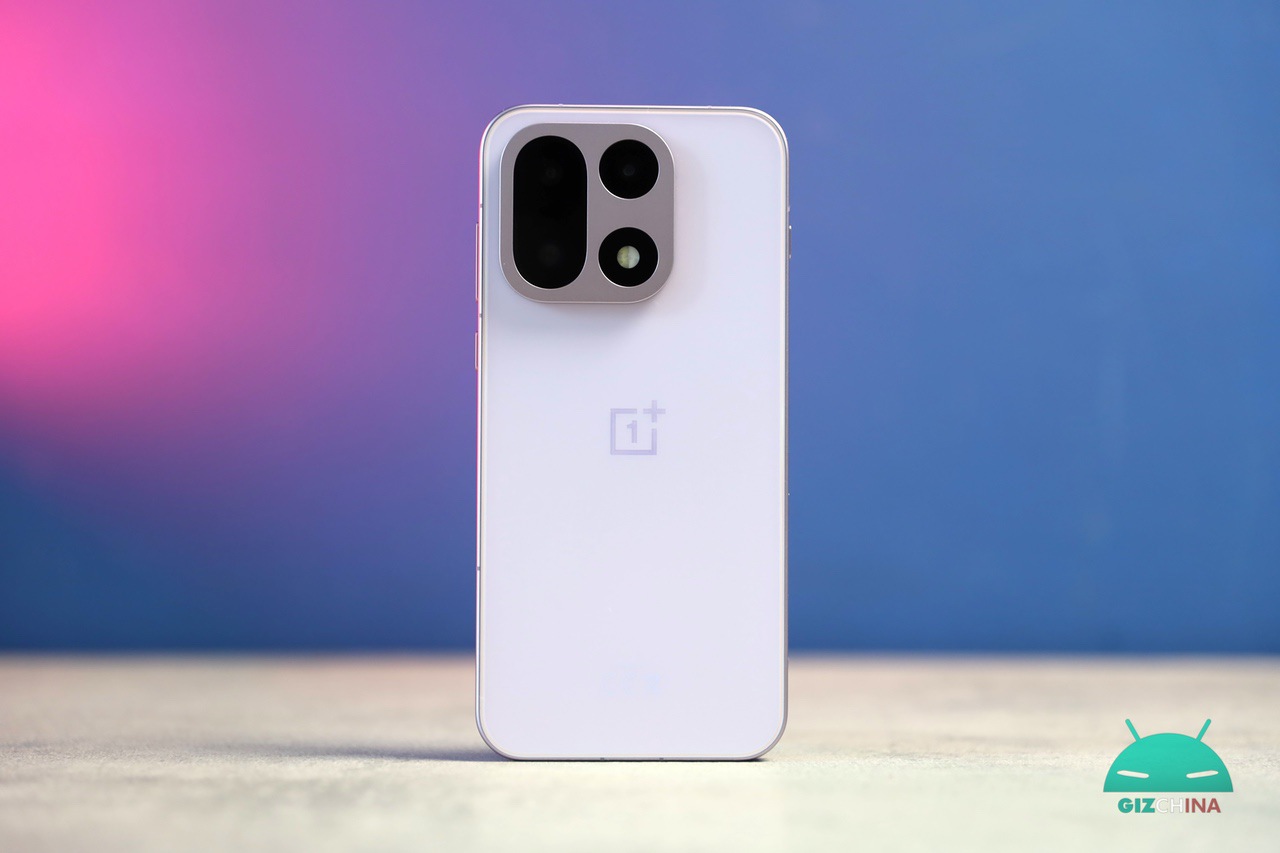
For years, OnePlus has represented a safe haven for tech enthusiasts, the so-called “tinkerers” and the modding community.
The brand philosophy, historically open to software modification, bootloader unlocking, and the installation of custom ROMs, has been one of the pillars that built its global reputation.
However, recent developments suggest a drastic and potentially irreversible change of course. The company has quietly begun implementing a new hardware-level security measure that could signal the end of the freedom to modify on its devices: the anti-rollback protection (ARB).
OnePlus: increasingly difficult to install custom ROM

The latest rumors, confirmed by technical analyses on recent updates of ColorOS, indicate that OnePlus has introduced a hardware anti-rollback protection mechanism inside builds based on Android 16.
The system is not merely a simple software restriction that can be bypassed with a bit of technical know-how, but a measure rooted in the device’s hardware. The system works through the activation of an electronic fuse (e-fuse) on the motherboard at the moment a specific update is installed.
Once this fuse is “burned”, the operation is irreversible. The device permanently stores the current security version and physically prevents any attempt to revert to a previous firmware version.
If a user attempts to install software earlier than the one that activated the e-fuse, or tries to flash a custom ROM based on older code, the result is not a simple software error, but an “hard brick” immediate.
In practical terms, the phone stops working and becomes unusable, because traditional software recovery tools cannot repair a circuit-level lock. The only remaining solution in these cases would be the physical replacement of the motherboard.
The end of the downgrade and of free modding
This move aligns OnePlus with other manufacturers like Samsung, Xiaomi and Google, which use variants of the Android Verified Boot to ensure the system integrity.
However, the implementation detected on OnePlus appears particularly severe. While other brands, such as Samsung with its Knox system, can void the warranty or block some security features in case of tampering, they rarely cause the device to brick completely and immediately for a simple downgrade attempt.
Those who update their smartphone to the incriminated firmware versions, specifically ColorOS builds ending with .500, .501 or .503, will find themselves in a dead end. It will no longer be possible to go back if the new update should present bugs or performance issues.
Moreover, the practice of unlocking the bootloader to install alternative software becomes extremely risky, if not impossible, without incurring a total device lock. It has also been reported that OnePlus has removed official downgrade packages for some models, such as the OnePlus 13, effectively removing any safety nets for users.
The models involved and the future of OxygenOS
Currently, the ARB protection has been identified in specific ColorOS updates aimed at the Asian and global markets.
Devices confirmed to be affected include the OnePlus 13, the OnePlus 15 and the Ace 5 series. The OPPO Find X8 series is also considered high risk.
Although currently the reports concern ColorOS mainly, it is important to remember that OnePlus now shares the same codebase with OPPO. Consequently, it is highly likely, if not certain, that this restriction will arrive soon on OxygenOS builds distributed in the West, and could retroactively extend to earlier models such as OnePlus 11 and OnePlus 12 through future OTA updates.
This change marks a historic turning point. OnePlus seems to want to close the doors to that niche audience that helped define its early success, preferring a closed and controlled ecosystem, more like the giants of the industry but hostile to deep customization.