


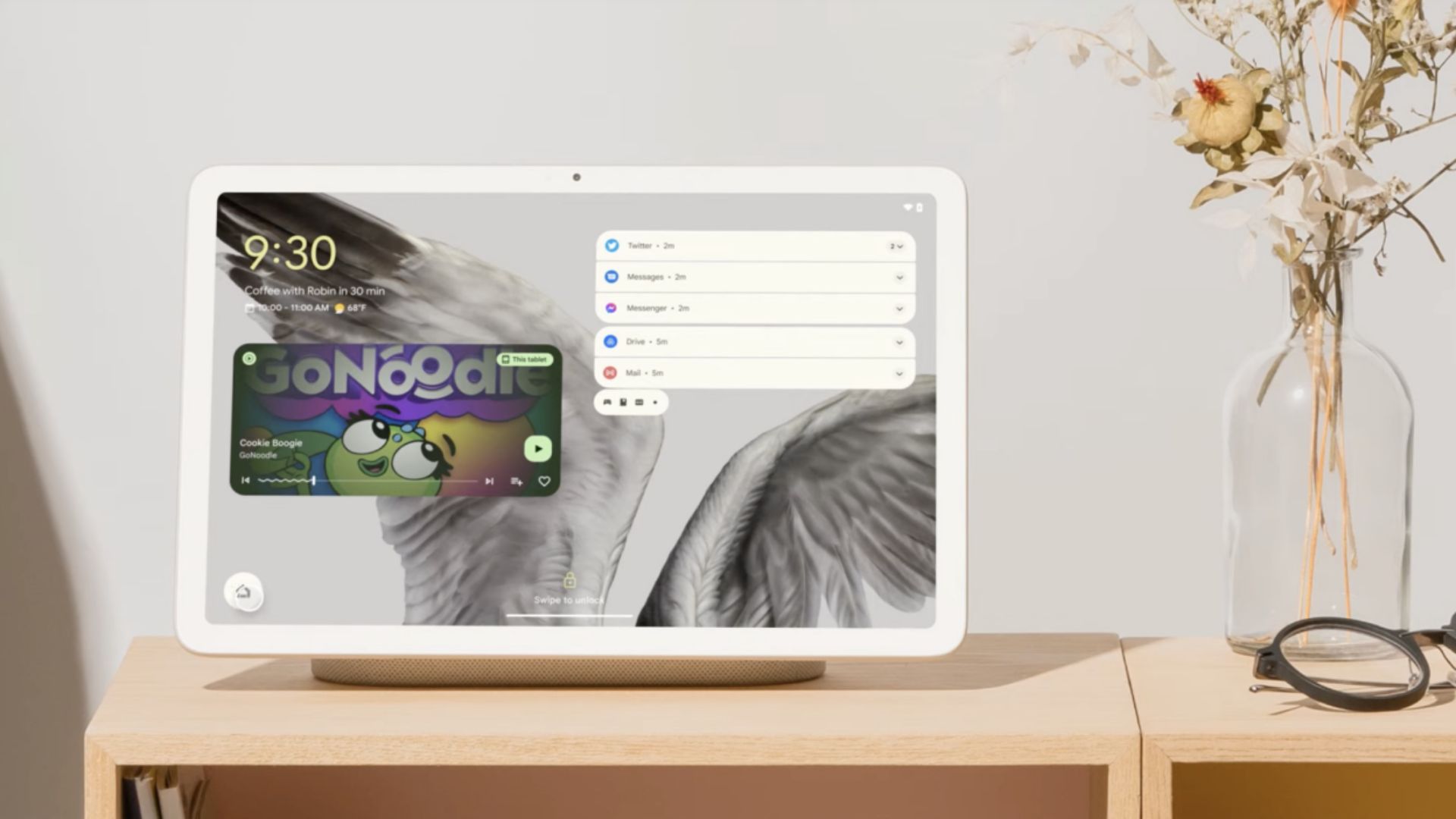
Recently Google has carried out a thorough cleaning of its online shop, removing not only the Pixel Tablet, but also completely deleting the section dedicated to this category of devices.
A move that appeared to have put an end to the company’s venture in the large-screen device sector, suggesting a definitive abandonment of the format.
Yet, a series of recently posted job offers suggests a very different scenario. Is the company really abandoning this market, or is a new hardware project in the works, kept under wraps from prying eyes?
Google is working on a new Pixel Tablet?

Analyzing Google’s recruitment pages in detail, specific requirements emerge for software experts and specialized developers. A striking example concerns the recruitment of personnel for the Pixel Core USB team. This division handles connectivity and the management of the software stack across the brand’s various devices and related accessories.
In the company’s job posting, the development for “smartphones, tablets and Pixel accessories” is explicitly mentioned, with a clear and unequivocal reference to current and future products.
This is by no means an isolated case or a mistake. Browsing the careers portal, you find many similar postings. Another relevant offer concerns the creation of solutions for next-generation displays, intended for smartphones, foldable devices, and, once again, tablets.
Such indications openly contradict the recent business strategy and suggest that work on these large screens is far from over within the company’s laboratories.
New ecosystems and alternative hypotheses
How to explain this apparent incongruity? There are multiple hypotheses on the table. The first, and decidedly more optimistic for brand enthusiasts, is that a new Pixel Tablet is actually in development, waiting to traverse the long path from idea to large-scale production.
Alternatively, Google might simply want to keep a window open on this format, ensuring the necessary skills for a potential return in a big way.
However there is a more cautious and conservative explanation. The role descriptions might contain standardized and generic textual formulas, not fully representative of the actual duties, or they could refer to work on the Android tablet operating system in a general sense.
We must also not overlook the recent debut of the platform Googlebook. This ecosystem includes convertible devices that come very close to the very concept of a tablet.
Some announcements confirm broader and cross-platform interest, citing the “Project Toscana” for advanced facial recognition intended for laptops and tablets, with direct references to Aluminium, the codename that now officially identifies Googlebook OS.