


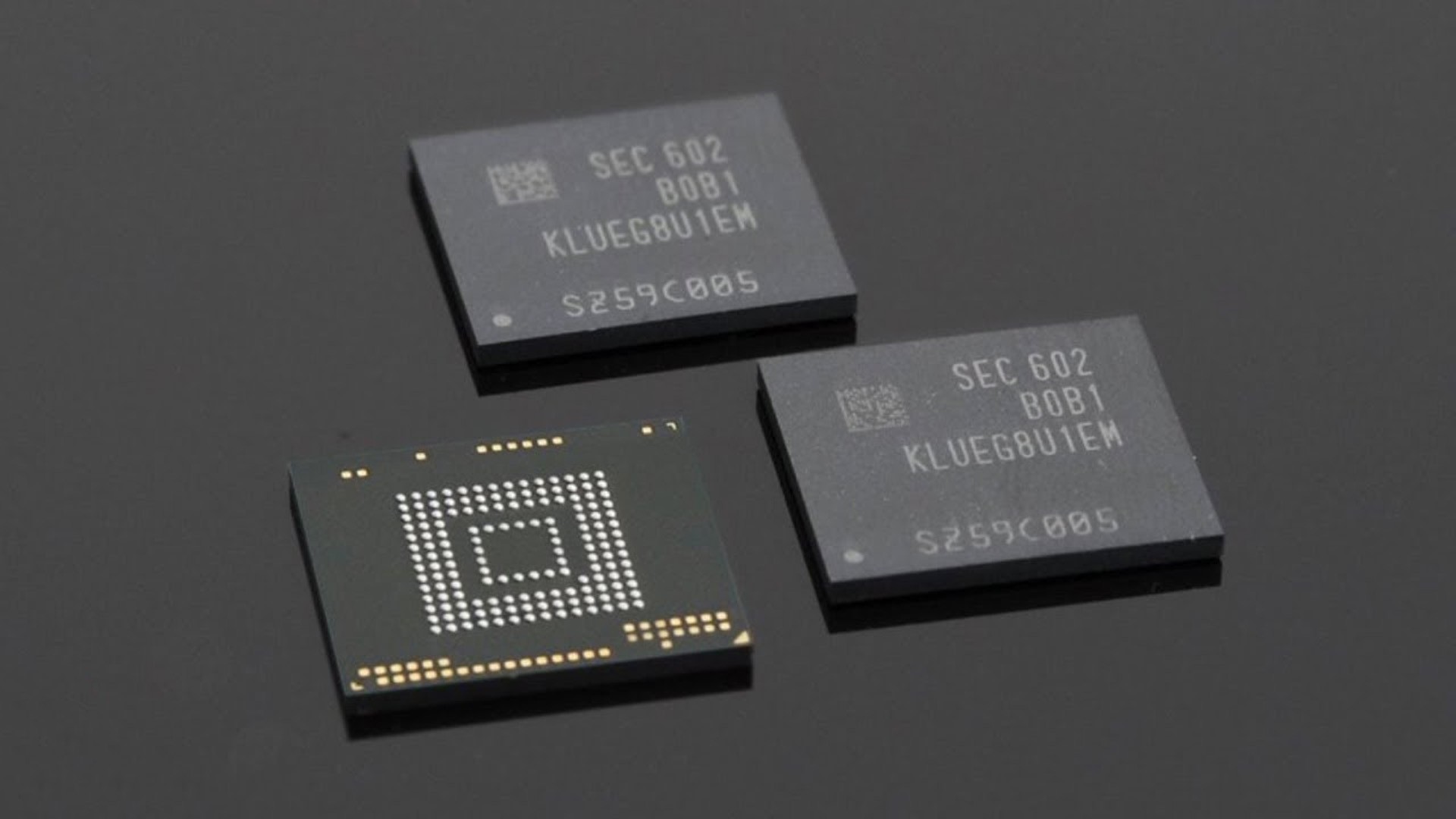
Due to a severe global shortage of semiconductors, triggered by the massive expansion of data centers for artificial intelligence, Apple has recently agreed to pay significantly higher amounts for memory supplied by Samsung.
With an estimated increase of up to 40% starting from Q1 2027, the central question for consumers is whether these additional costs will be passed on to end buyers, worsening a series of price increases already applied to the price lists over the past year.
Apple will pay more for memory; will iPhone and Mac prices rise?

According to recent rumors published by DigiTimes, which in turn are based on a report from the Chinese outlet Jiemian News, the agreement between Apple and Samsung calls for supplier costs adjusted upward.
In particular, the Californian company will end up paying almost $2 per GB of memory DRAM and $0.33 per GB of NAND storage.
This change translates into a jump of between 30% and 40% compared to the costs the company is bearing in Q3 2026. The main reason for this spike lies in the rapid growth of companies developing artificial intelligence, which are building enormous infrastructures and absorbing a large portion of global chip production.
Former CEO Tim Cook described the price increases as inevitable, comparing this extraordinary shortage of raw materials to a flood that occurs once in a hundred years.
Outlook for the coming months
The tensions in the supply chain have already left their mark on the prices offered to the public. Starting from June, the company has increased costs for a wide range of items. Macs, iPads, Apple TV, HomePod, HomePod mini variants and the Vision Pro headset have seen increases often in the range of $100 to $300.
The smartphone sector has not been immune to the economic fluctuations either: the starting models of the iPhone 18 Pro line cost more now than the iPhone 17 Pro generation. Even smartphones from older series have seen upward price revisions.
It remains to be seen how the company will decide to manage the further cost burden expected for the initial months of 2027. It is not yet clear whether the recently signed agreements will force the brand to impose further surcharges on future iPhone, iPad and Mac models, or whether the recent adjustments to the 2026 price lists were calculated precisely to preemptively absorb the purchase of more expensive components.