

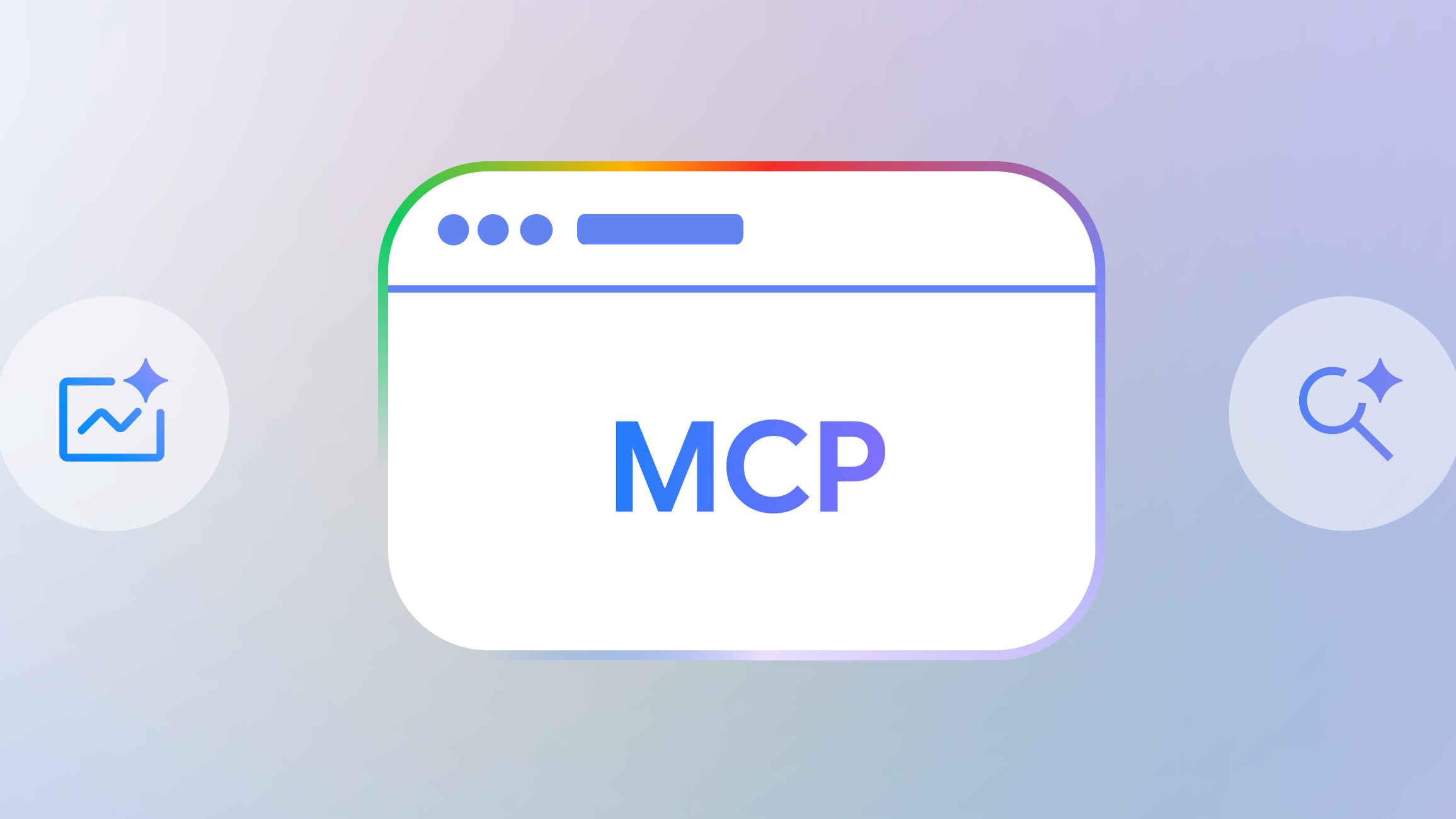
Google has announced the introduction of Home MCP, an interface based on the Model Context Protocol standard that allows agents and artificial intelligence models to directly integrate with the devices smart home.
The update, currently available in English in the United States for subscribers to the Google Home Premium Advanced, provides third-party software with real-world context, enabling it to review event histories, summarize footage, and automate home management with natural language, while maintaining strict security constraints on sensitive operations such as opening doors.
Google Home MCP, what is it and why is it important?

Thanks to the Model Context Protocol, different platforms and models such as Claude, Hermes, OpenClaw or Google Antigravity can access the Google Home ecosystem to check the status of devices and send compatible commands.
The opening involves a wide range of devices, from smart thermostats to Matter-certified bulbs, up to video doorbells and Nest cameras.
The AI agent no longer operates as a simple isolated voice interface, but receives a complete situational awareness of the home, combining data streams from different sensors to carry out heterogeneous and coordinated tasks.
From cross-referenced video surveillance to consumption analysis
The new capabilities enabled by this connection transform the consultation of home logs into a descriptive and immediate experience. Through cross-analysis of multiple cameras placed in different rooms, the user can ask what the children did after returning from school, obtaining a concise textual summary accompanied by the relevant video sequences.
Similarly, the assistant can review the operational history to track how many washing cycles have been started in a 7-day period or calculate how many hours the lights were left on, translating raw parameters into a clear overview.
For asynchronous or proactive activities, the system can send summary audio messages via the smart speakers once an operation is completed, or design a personalized dashboard based solely on user requests.
Security measures and setup guide
Sharing home commands with autonomous agents requires a strict protection perimeter. To avoid risks or intrusions, Home MCP enforces maximum frequency caps on requests and expressly blocks critical actions, including the management of locks.
The company nonetheless invites users to exercise caution and carefully review the terms of service, as the responses of individual models may exhibit unforeseen behaviors.
The initial setup requires creating a dedicated project within the Google Cloud console, to which the MCP credentials are associated; once this data is transmitted to your assistant, the guided flow requires signing in with your account and granting permissions before making the connection operational.