

With the spread of generative tools capable of altering reality, the certification of photographic authenticity has become a priority.
Apple has introduced the Reference Image feature on the new iPhone 18 Pro and iPhone 18 Pro Max, offering a verification system designed to prove that a shot comes from a real sensor and has not undergone synthetic manipulations.
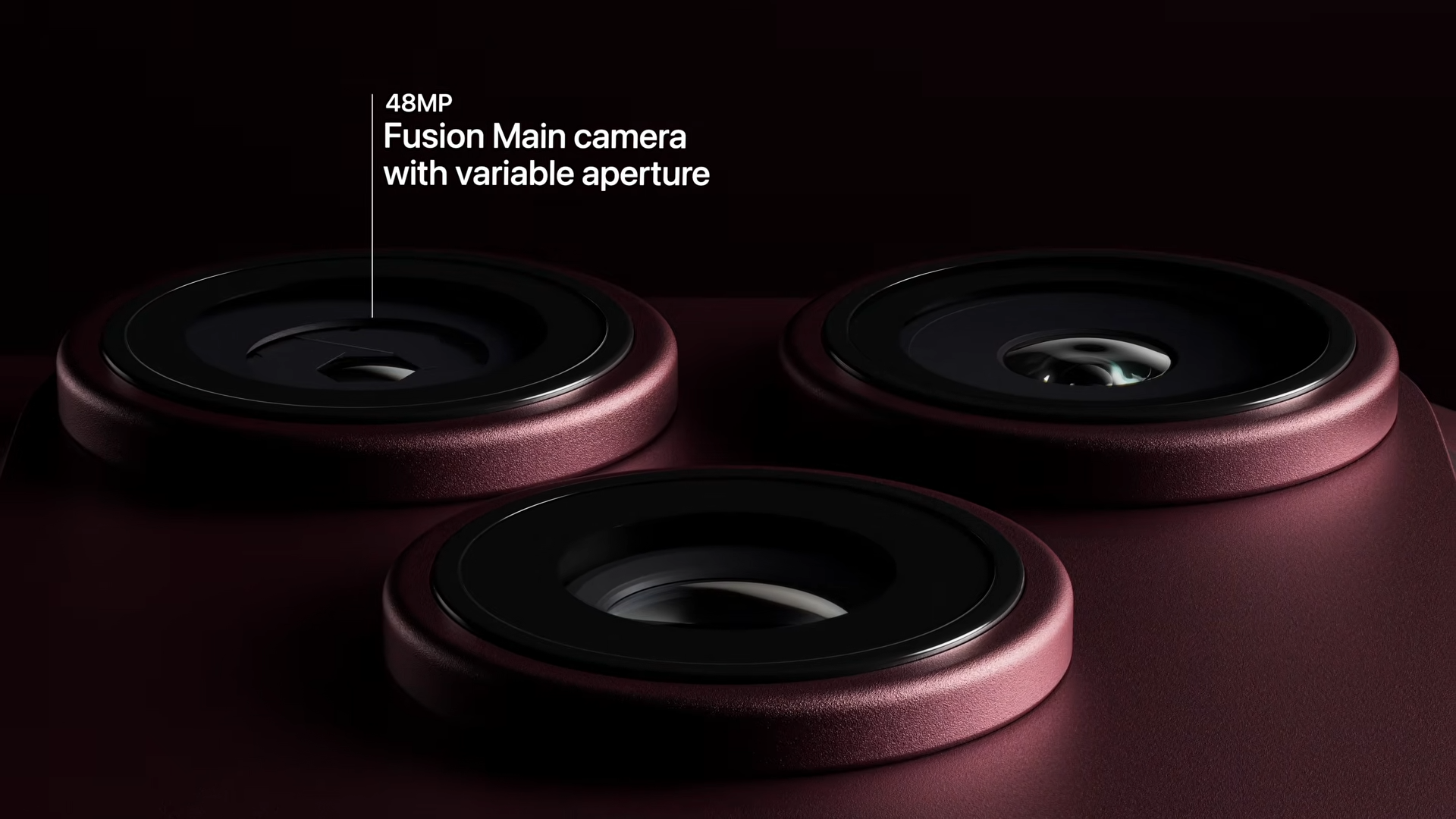
Unlike traditional methods that operate at the software level, the company has developed an infrastructure that starts directly from the camera hardware.
Thus Apple certifies that iPhone photos are authentic and unaltered

Current industry standards, such as the C2PA protocol, apply provenance metadata only at the end of the processing pipeline. This approach exposes files to potential attacks during intermediate steps or in case of operating system compromise.
To mitigate the risk, the solution integrated as an optional feature on the main camera of the iPhone 18 Pro starts the sensor in a specific mode of reference.
The raw pixel data are cryptographically signed instantly at the moment of capture, preventing the firmware itself from applying alterations.
Thus a secure digital negative is generated and stored locally, containing the pixel values, camera data and a double certified timestamp that sets a minimum and maximum bound for the moment of capture.
External processing via Private Cloud Compute
A raw file requires processing such as demosaicing and tone mapping to become a visible image. When the user decides to finalize the shot for public verification, the negative is transferred to the Private Cloud Compute (PCC). In this server environment, operations occur with data kept invisible to third parties, including Apple itself.
The code that handles the development on the server node is accessible and publicly verifiable, ensuring that the transition from raw data to the compressed JPEG format happens without semantic alterations.
Once developed and signed, the original raw file is moved to the device’s Deleted Photos folder, where it will be automatically removed after 30 days.
Cryptographic defenses and anonymity
The architecture is designed to resist physical and software tampering. In production, the image sensor and the Secure Enclave generate signing keys that are uniquely bound to the device.
To ensure long-term validity of the files, the final signature applied to the developed image uses algorithms resistant to quantum attacks, combining the standards RSA-3072 and ML-DSA-87.
A key element of the system is the privacy protection of the photographer. The infrastructure avoids the use of public credentials associated with the user, a crucial detail for professionals operating in conflict zones.
The Private Cloud Compute assesses the physical integrity of each file using a confidence score. If anomalies or fraud attempts are detected, there is a protocol that allows Apple to invalidate individual photographs or revoke authorization for entire sensors, without ever making public the identity or personal data of the person who took the shot.