

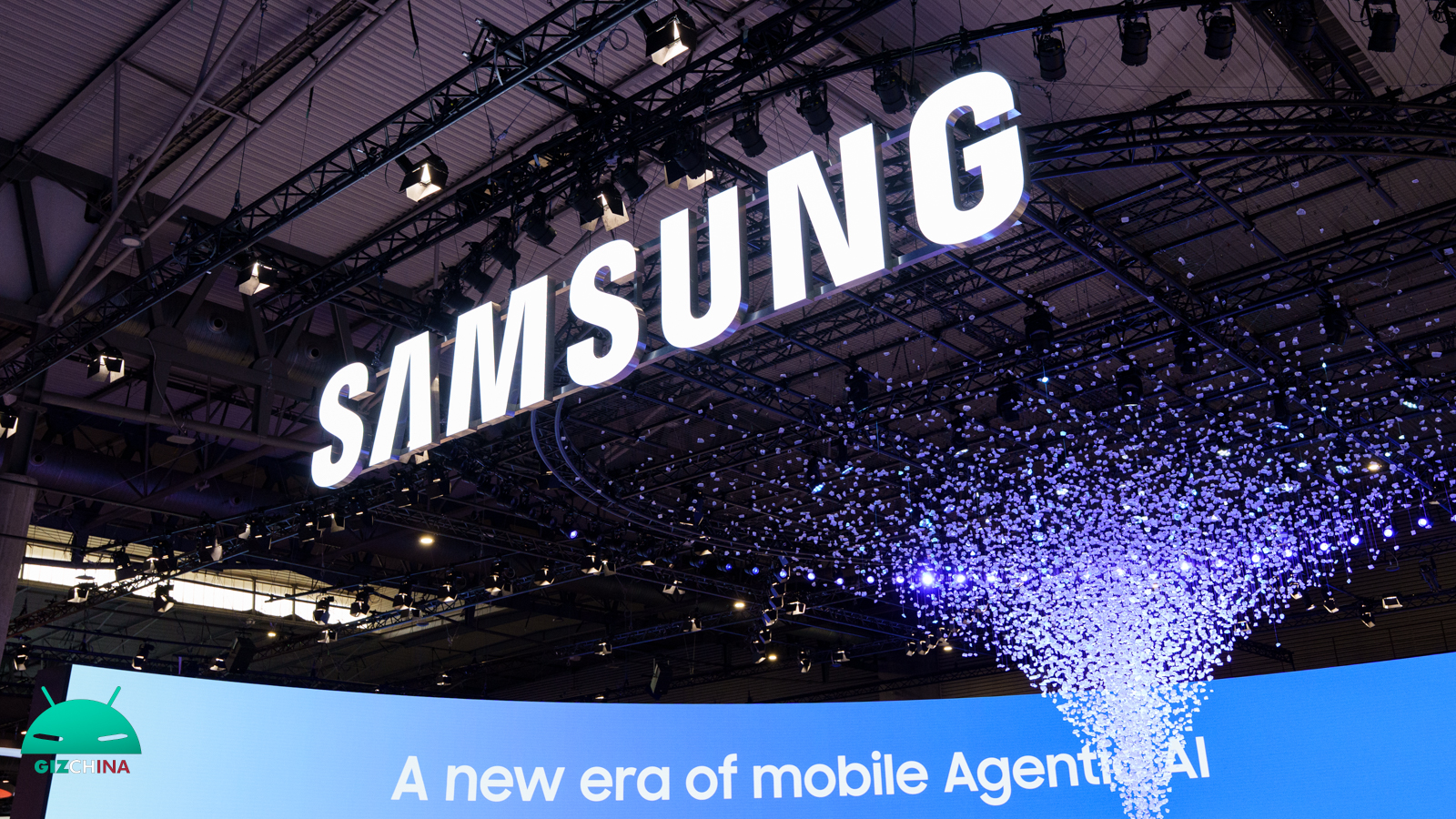
The display division of the South Korean company has recently unveiled a panel capable of setting new standards of brightness and visual quality in the mobile sector.
The new OLED M16 display developed by Samsung Display reaches the incredible peak brightness of 10,000 nits.
This significant breakthrough makes its debut on premium smartphones, delivering noticeable improvements in color reproduction and overall energy efficiency.
Strangely, however, the manufacturer has decided to grant the absolute debut of the component to devices from competing brands, delaying integration into its own flagship smartphones.
Samsung unveils a 10,000-nit OLED display

Delving into details, the new OLED M16 panel is part of Samsung Display’s LEAD 2.0 series. Beyond the impressive peak of 10,000 nits, the display can deliver a global brightness of as high as 2,800 nits across its surface.
Image quality and definition are ensured by a WQHD resolution of 2,560 x 1,440 pixels, paired with the flexibility of LTPO technology.
This latter allows the display to handle an extremely wide variable refresh rate: it can drop down to a minimum of 1 Hz to reduce power consumption when displaying static images, and reach up to 165 Hz to ensure maximum fluidity.
The richness of colors is equally well cared for, with a color gamut coverage of DCI-P3 at 124%, ensuring consistently precise and natural shades.
Comfort and efficiency
The focus of the company was not limited to brightness values, but extended to everyday comfort and efficiency. The panel integrates a 3,300 Hz PWM dimming, essential to drastically reduce eye strain during prolonged use or in dimly lit indoor environments.
Additionally, there is a touch sampling rate reaching 5,000 Hz, delivering instantaneous response. The physical structure of the screen includes an effective anti-reflective coating and uses a completely polarizer-free design, identified by the acronym OCF, or on-cell film.
Despite the extremely high performance achieved, the optimizations implemented allow the panel to achieve a 30% reduction in power consumption compared to the previous generation.
Market distribution strategies
On the commercial front, the M16 technology has first seen light outside the Samsung ecosystem, having already been successfully implemented on the latest models in the iPhone 18 Pro line and on Apple’s new iPhone Duo.
On the Android front, the leading series is the iQOO 16, whose official unveiling took place today on the Chinese market.
Consumers interested in purchasing a device bearing the South Korean brand will have to wait for the first months of next year, when the display will finally be mounted on the Galaxy S27 Pro and the Galaxy S27 Ultra.
Today’s presentations also clarified the position of the Google Pixel 11: contrary to previous rumors, Mountain View’s smartphones do not use the M16 displays, instead relying on previous-generation OLED panels, still manufactured by Samsung Display.