


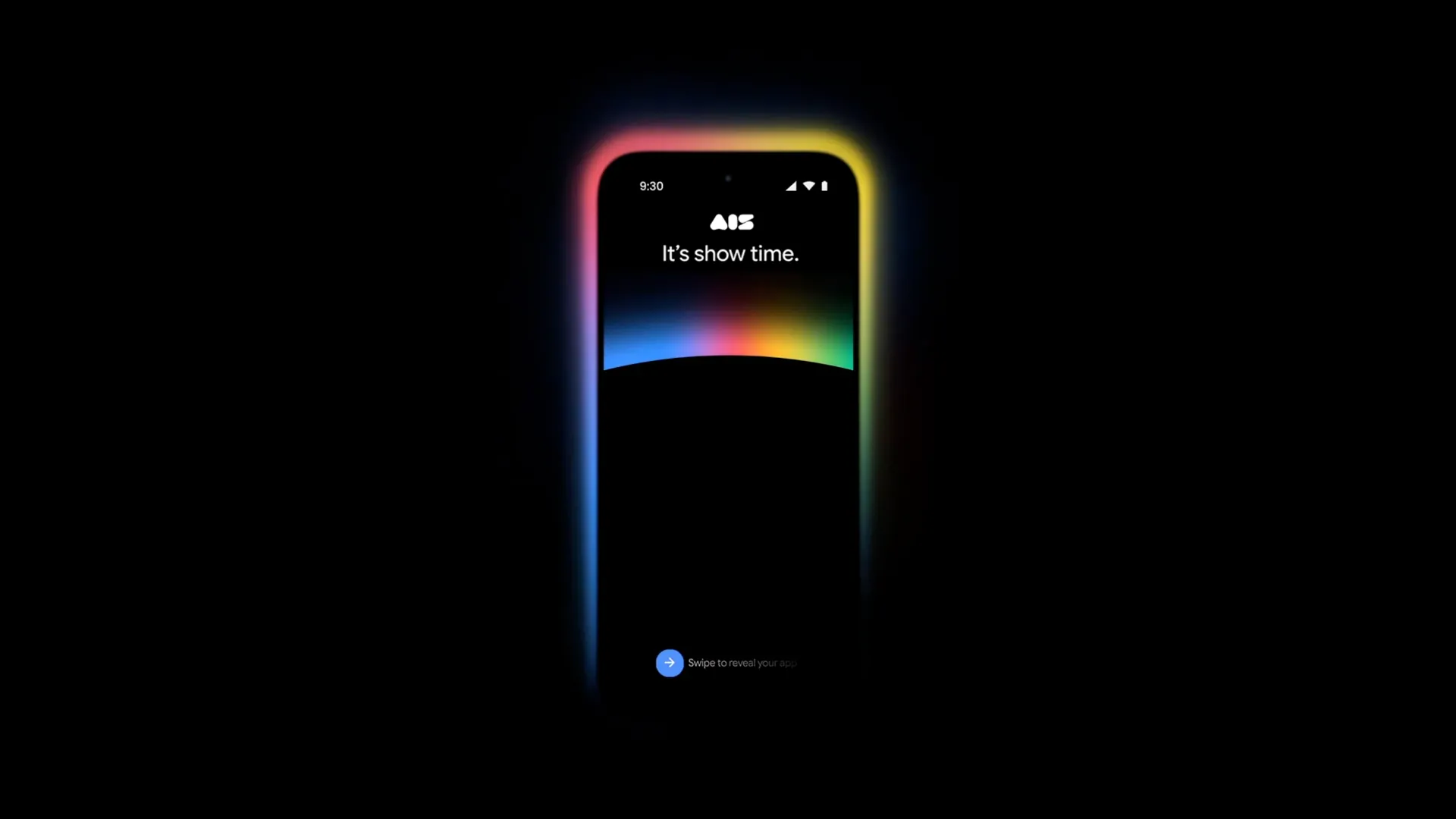
Despite a resounding success during pre-registration, the Mountain View company’s decision was to take an abrupt step back. Google AI Studio will never see the light of day as an independent product.
The company has in fact chosen to close the project, preferring to focus its efforts on a single existing platform, thus avoiding fragmenting its software offering and the habits of its customers.
Google AI Studio will not arrive on smartphones, the company cancels the standalone app

In May, the company announced with great enthusiasm the arrival of AI Studio in mobile version, a native application designed specifically for Android and iOS.
The idea behind the project was to provide creators and developers with a powerful and pocket-sized tool to build, iterate, test, and even publish applications based on artificial intelligence directly from their smartphones.
The public’s interest was immediate and overwhelming, with around 800,000 users having already pre-registered on the digital stores, awaiting the official release.
However, in an announcement posted on the official AI Studio account on X, the company announced the definitive cancellation of the standalone mobile version, leaving the vast community of creators stunned.
The main motivation behind this choice lies in the clear intention not to force users to download and install an additional application on their devices. Rather than dispersing the functionalities across multiple software, the company has preferred to unify its tools, bringing the core capabilities of AI Studio directly into the Gemini application.
This suggests a strong intention to transform Gemini into a true central ecosystem for all AI-related experiences.
Currently, the team responsible for AI Studio is working closely with Gemini’s team to realize this integrated vision, which will symmetrically concern both the mobile and desktop environments.
The consequences for users and developers
All 800,000 registrants who were waiting to download the standalone version on their smartphones will obviously not receive the software they had registered for.
The originally planned features, which included advanced options such as app remixing and syncing projects across different devices, will not be lost. These tools will be progressively absorbed by Gemini, ensuring developers can continue to work on the go.
At the moment, the company has not provided a precise timeline for the release of these integrations, merely stating that the teams are working hard to complete the merger of the services and that further details will be shared later.
The transition will require a certain amount of patience from the community, but it promises to offer a decidedly more cohesive and unified development environment.