


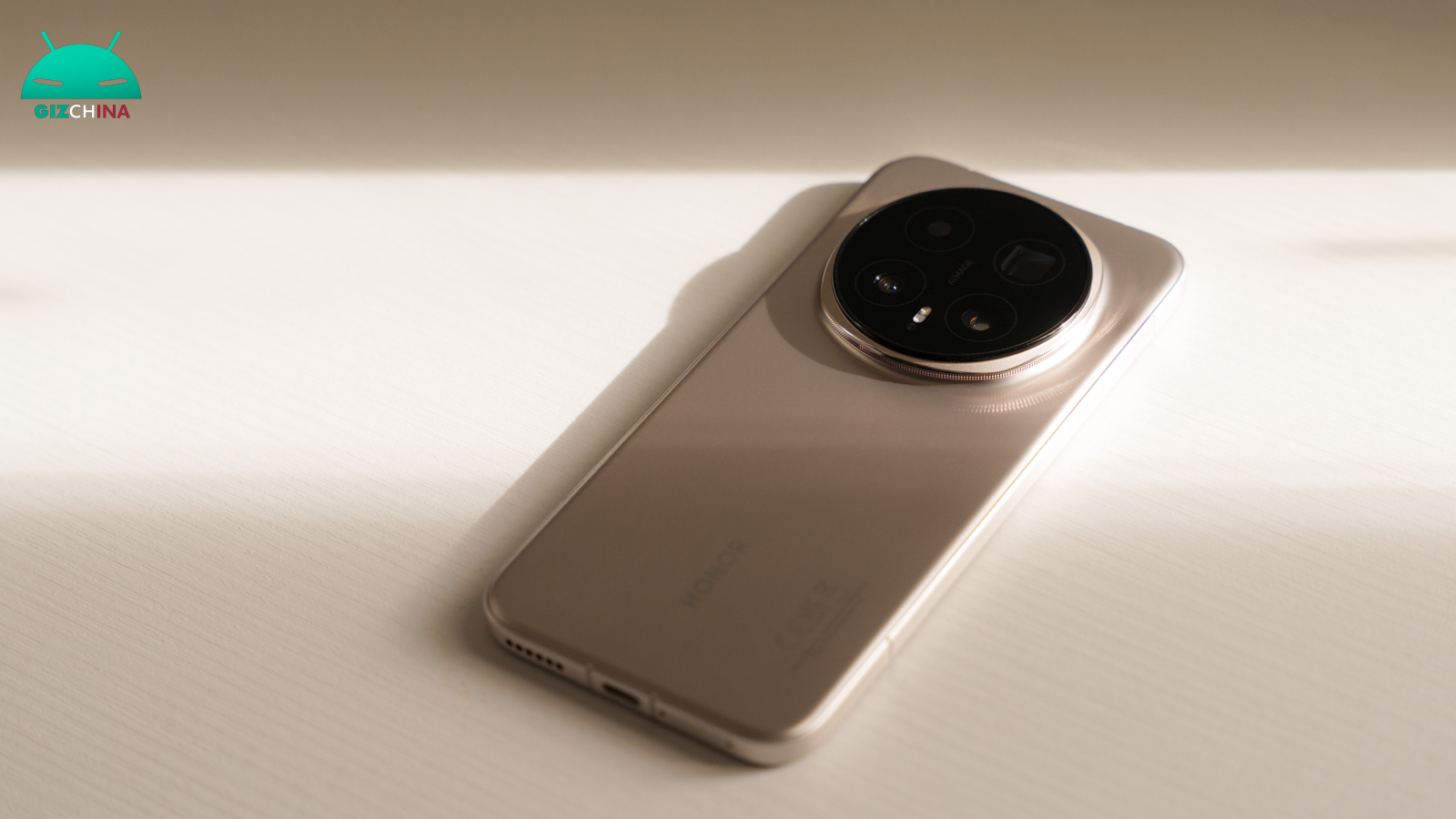
The upcoming standard Honor Magic 9, the base model of the family, will aim to save money — at least with regard to the chipset. This is what has emerged in the last few hours thanks to the usual Digital Chat Station: the Chinese insider has previewed some features of the upcoming flagship, but it seems it won’t be top-of-the-line in everything.
No power upgrade for Honor Magic 9: the focus shifts to display and battery

The launch of the flagships in the Magic series is expected by the end of the year, probably in October in China — while for the rest of the world you’ll have to be patient. In a brief post, the well-known Chinese leaker has listed a few details about the small member of the family, small in size and apparently also in the chipset.
Based on what has emerged, Honor Magic 9 should rely on the Snapdragon 8 Elite Gen 5, Qualcomm’s current flagship SoC. This is the chipset that powers Magic 8 and 8 Pro, built on 3 nm and equipped with the proprietary Oryon Gen 3 cores (with a maximum clock speed of 4.6 GHz).
The reason is clear even without too many explanations: the current memory crisis has led to a ferocious rise in production costs and all major brands are working to find the right balance for savings (trying to minimize increases in the final price).
So the future Snapdragon 8 Elite Gen 6 (2 nm) will remain the prerogative of the higher Pro siblings; we speak in plural due to rumors from last April, which anticipate a possible novelty for the series. This should host a third device, Honor Magic 9 Pro Max, the true Camera Phone of the series — rumored with a dual camera of 200 MP and LOFIC HDR technology.
A compact flagship
The other features of the Honor Magic 9 sketch the picture of a well-rounded flagship, in a compact form factor. Compared to the 6.58″ of Magic 8, the device should drop to 6.36″ diagonally: a manageable and lightweight device, together with a larger Pro model, a strategic choice that Xiaomi has followed for several generations.
For the battery, it would move from the current 7,000 mAh to a silicon-carbon unit of a whopping 8,000 mAh, with support for wireless charging. No upheavals in sight for the camera setup, a triad that would continue to rely on the now-tested periscope telephoto OV64B (64 MP).
Finally there would be neither an IP68/IP69 waterproof chassis nor an ultrasonic fingerprint reader, positioned under the flat OLED display.
And for the Global market?
As of writing, it’s hard to predict the strategy Honor will adopt with the next-generation flagship. Usually the manufacturer ships to Italy only the flagship Honor Magic Pro, but this time things could go differently. The existence of the Pro Max variant is an unknown: will this model be the top of the line for Global markets?
Or will it remain a Chinese-exclusive and the classic Pro will arrive here? Will there be room for the Magic 9 base and its compact design? These are questions that it’s impossible to answer, at least for now.