


The daily management of diabetes requires consistency and patience, especially due to the need to measure blood sugar levels several times a day.
The traditional practice, which involves pricking the finger to draw a drop of blood, is often tedious and invasive for patients.
However, researchers at the Massachusetts Institute of Technology (MIT) are working on a solution capable of overcoming this procedure, offering a completely painless alternative based on the study of light.
MIT tests blood sugar measurement without puncture

The team of scientists at the American institute has developed a device capable of detecting glucose without any needle or subcutaneous insertion.
The system uses the Raman spectroscopy, an advanced optical technique that uses light in the near infrared. By directing this light beam onto the user7s skin, the sensor analyzes how light interacts with the molecules present in the underlying tissues. The signals emitted by the glucose just below the skin surface are thus intercepted and translated into a precise numerical value.
Each reading requires a little over 30 seconds, a timing that is extremely suitable for a completely non-invasive method. Currently, the first functioning model has dimensions comparable to a shoebox, but represents a crucial starting point for the subsequent phases of design and engineering miniaturization.
Tests and next steps
Preliminary tests have yielded particularly encouraging results on reliability. During a trial conducted on a healthy volunteer, the device returned values corresponding to those of traditional continuous glucose monitors, which require physical insertion of a sensor under the skin.
Measurements were carried out at 5-minute intervals for a total duration of 4 hours. In this period, the subject consumed two high-sugar drinks to allow the system to measure rapid glycemic variations over a wide range of values.
Jeon Woong Kang, a research scientist at the MIT and senior author of the study, emphasized that creating a high-precision device would bring tangible benefits to almost all people affected by glycemic abnormalities.
For the next year, the group plans to expand trials by directly involving diabetic patients. A crucial step in this phase will be ensuring the accuracy of measurements across different skin tones, a technical requirement essential before considering real commercial availability.
Towards wearable devices
The prospect of integrating this technology into a daily-use accessory is closer than one might imagine. Engineers have already assembled a second prototype considerably more compact, roughly the size of a smartphone, which is currently being tested on healthy and prediabetic individuals.
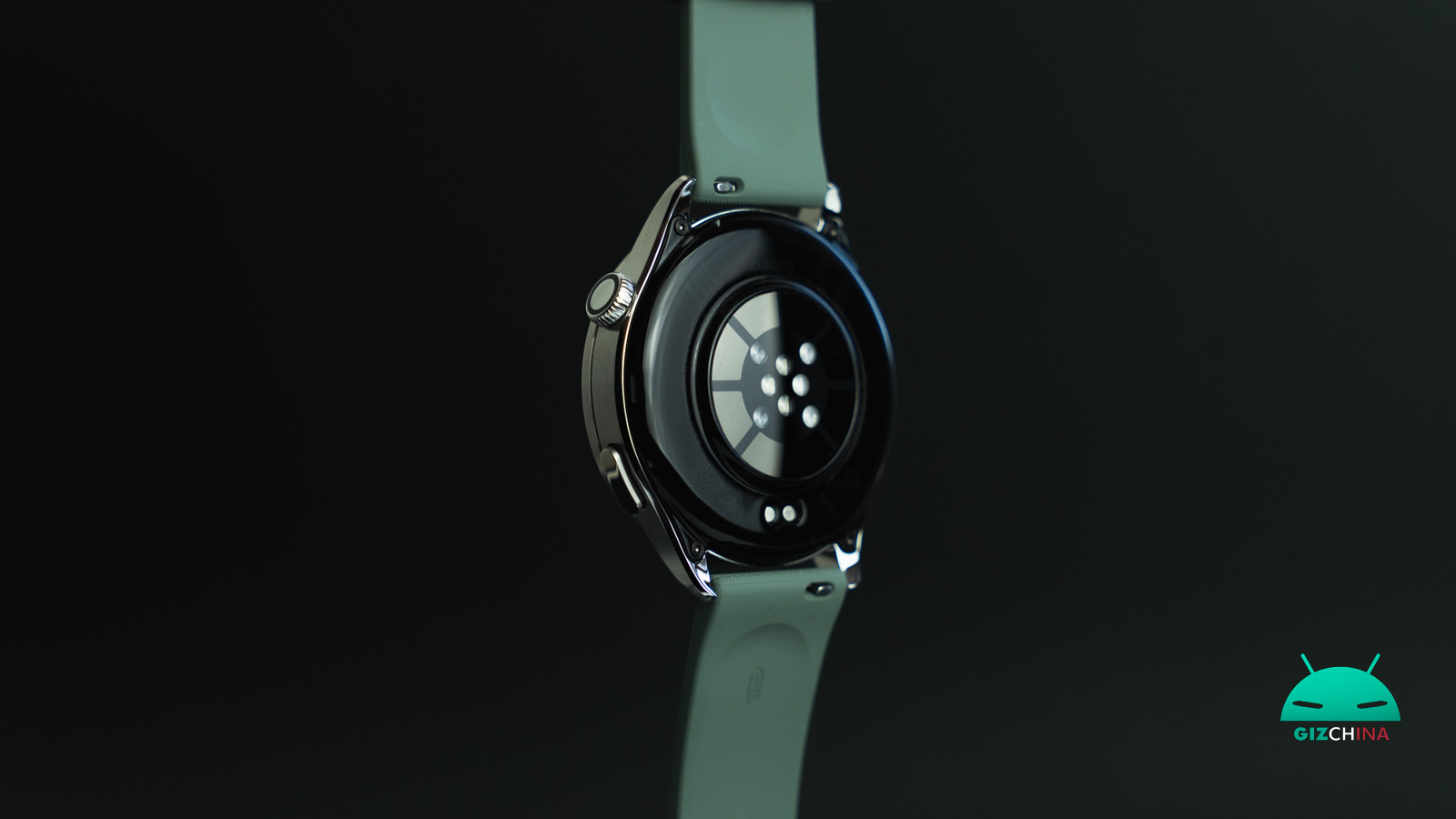
The ultimate goal of the research is to further reduce the footprint of the components so that they can be inserted into a common wristwatch.
If the tests are successful, future smartwatches could offer continuous and invisible monitoring, significantly improving the quality of life for those who require regular checks.
MIT is not the only entity active in this field. Also major consumer electronics companies, including Huawei, are implementing features for detecting diabetes-related risks through their wrist devices.
Although clinical research still requires time, recent progress indicates that the tedious finger-pricking routine could soon become only a distant memory.