


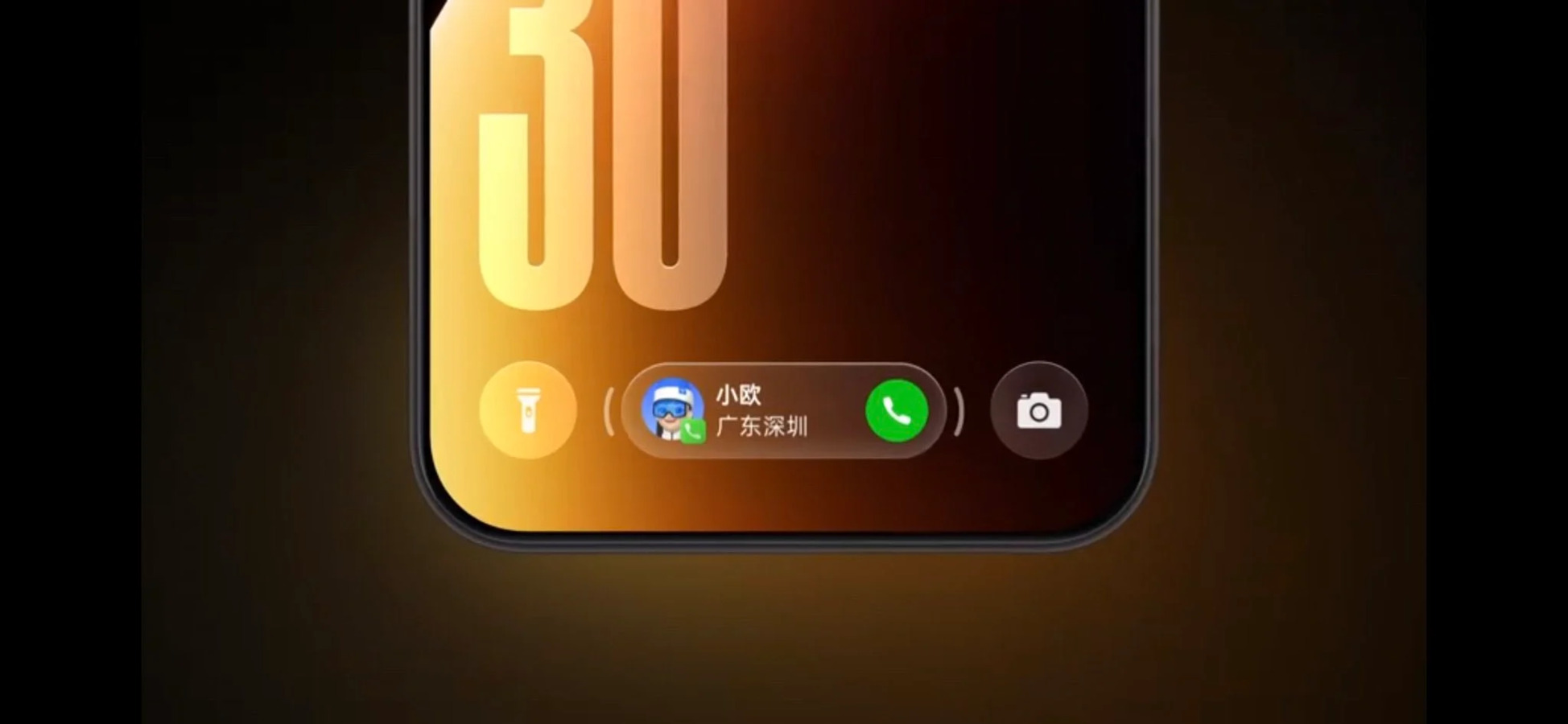
The most recent rumors indicate that the upcoming updates of the OPPO and OnePlus custom interfaces will introduce some interesting changes, taking cues from in particular from an element that characterizes the user experience offered by Samsung.
The upcoming versions of the operating systems, named respectively ColorOS 16.1 and OxygenOS 16.1, will maintain the usual strong structural similarity between them, offering a package of shared new features.
ColorOS 16.1 and OxygenOS 16.1: features and One UI influences


Among the previews that have emerged in these hours, there is no doubt the introduction of an unprecedented Lockscreen Island, a dynamic area located directly on the lock screen. This design solution very closely resembles the Now Bar present in Samsung’s One UI from Samsung.
Although there are not yet official confirmations on how it will work, the first leaked images suggest that this space will be dedicated to displaying ongoing activities. Users will likely be able to keep track of media playback, monitor an active timer, or manage other ongoing background tasks without needing to unlock the device.
Alongside this interesting novelty, there will also be a multimedia player with a completely redesigned user interface that promises to make managing music tracks far more pleasant.
In addition to these purely aesthetic additions, available information suggests the arrival of a block-organized notification center, a change intended to manage more orderly the accumulation of messages and alerts generated by the system.
Launch timing
The distribution path of these important updates will follow a strategy now well established for the two major tech companies. The initial code release is planned exclusively for the Chinese market, with the OTA distribution start date set for April 16.
In this specific territory, the transition will occur under the single name ColorOS 16.1 for both OPPO-branded products and OnePlus-branded devices. This first local step will allow developers to gather initial feedback and thoroughly test the system’s stability on a considerably large user base before authorizing expansion.
Regarding the global distribution of the firmware, the exact timings of availability remain unknown.
Despite the lack of official communications about European dates, past patterns suggest that international consumers will not have to wait long after the start of the Asian release. There is a solid likelihood that the group’s next flagship phone, the anticipated OPPO Find X9 Ultra, could debut on international markets bringing the new version of the preinstalled interface directly from the factory.