

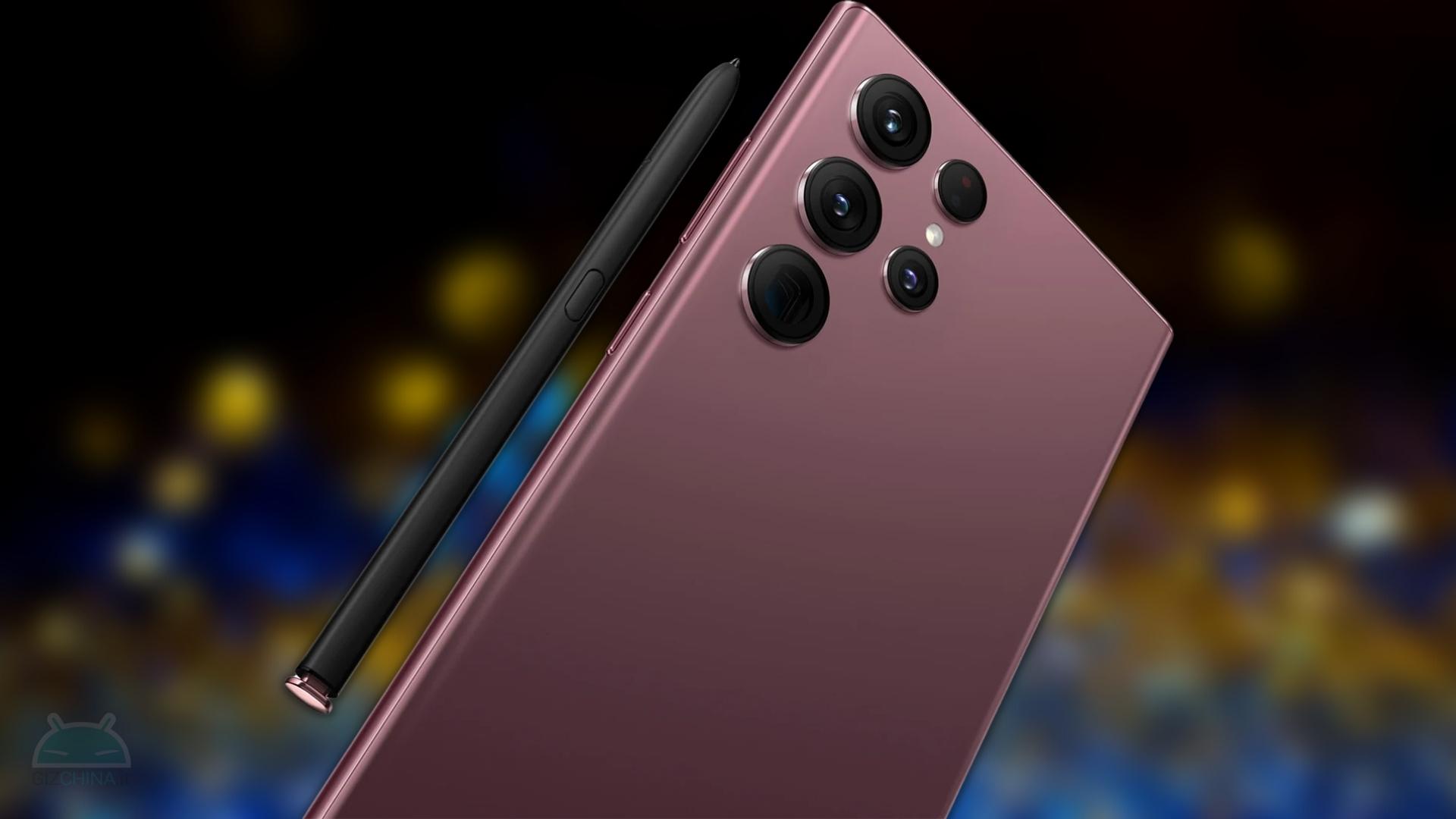
The smartphone series introduced in 2022 has now reached the final phase of its major update cycle with the arrival of Android 16 and only one year of security patches remaining, and is facing an unforeseen issue.
Several users are reporting an unusual lock that effectively renders the Samsung Galaxy S22 Ultra unusable following a standard factory reset.
Although the lock appears to be due to corporate management accounts, these are not devices provided by employers, but units purchased regularly through traditional retail channels or directly from the manufacturer.
Despite four years of normal operation in the hands of private users, formatting triggers a block that prevents rightful owners from using the device.
Samsung Galaxy S22 Ultra locked after reset, what’s happening?


The root of the problem manifests during the initial Android setup phase. As soon as the smartphone connects to a Wi-Fi network to start the setup, the process is abruptly interrupted by a screen from the Knox Mobile Enrollment service.
A message informs the user that the device is not private and is managed by an external organization, with an IT administrator potentially able to monitor every activity and data.
The most troubling detail concerns the entity claiming this control: a mysterious organization named “Numero LLC“. This company does not appear in any official U.S. business registry, although screenshots shared online show connections to American networks such as the 5G UC of T-Mobile, and it seems to have tenuous ties with South Korea.
To further fuel suspicions about the fraudulent nature of the lock is the administration app involved, labeled in uppercase as “SAMSUNG ADMIN” and accompanied by a logo reading “FRP UNLOCK SAMSUNG“.
A situation from which it’s hard to escape
Trying to overcome the obstacle with traditional methods proves completely useless. Performing multiple restores or even attempting manual firmware installation via the Odin software does not remove the restriction.
This obstinacy is due to the very nature of the block, which occurs irreversibly at the IMEI code level. When the smartphone communicates with the attestation servers during setup, the database recognizes the device’s IMEI as the property of the supposed LLC Number, forcing the download of a mobile device management profile directly at the system level.
Sources suggest several hypotheses to explain how private devices ended up in a corporate management database. One concrete possibility points toward the compromise of the account of an authorized reseller, which could have been exploited to bulk-upload random IMEI numbers into the Knox portal.
Another theory points to recent security flaws, such as the CVE-2026-20978 vulnerability identified in KnoxGuard, although exploiting the latter typically requires physical access to the terminal to alter ownership checks.
Finally, the textual reference to FRP unlocking suggests that some consumers may have inadvertently exposed their own identification codes to less transparent third-party services in the past.
Assistenza in stallo
The first isolated reports of this anomaly emerged online about 9 months ago, but the issue remains extremely frustrating for the people involved.
At the moment, discussions on platforms like Reddit are not very numerous, which could indicate a phenomenon limited in scope to specific batches, but the consequences for individual owners are insurmountable.
The only legitimate path to resolution requires contacting technical support and providing the original proof of purchase from four years ago, to request the manual removal of the IMEI from the company registry.
Unfortunately, many consumers report having fallen into an exhausting bureaucratic vicious circle. Standard support channels tend to redirect users to Knox security-specialized technical teams, which, in turn, claim they do not have the tools or the necessary permissions to modify the logs of third-party enterprise databases, sending the customer back to square one.
Until a structural intervention, the owners find themselves stuck in a limbo, in possession of a smartphone that is physically perfect but digitally inaccessible.