


The long-awaited entry of Apple into the market of foldable smartphones seems to be fraught with engineering challenges and an obsessive pursuit of perfection.
It’s no secret that the Cupertino giant is investing substantial resources in the development of its first iPhone Fold, a device that, according to the most credible forecasts, is expected to debut by the end of 2026.
However, recent rumors suggest that Apple engineers are encountering significant obstacles, particularly regarding the aesthetics and functionality of the internal display.
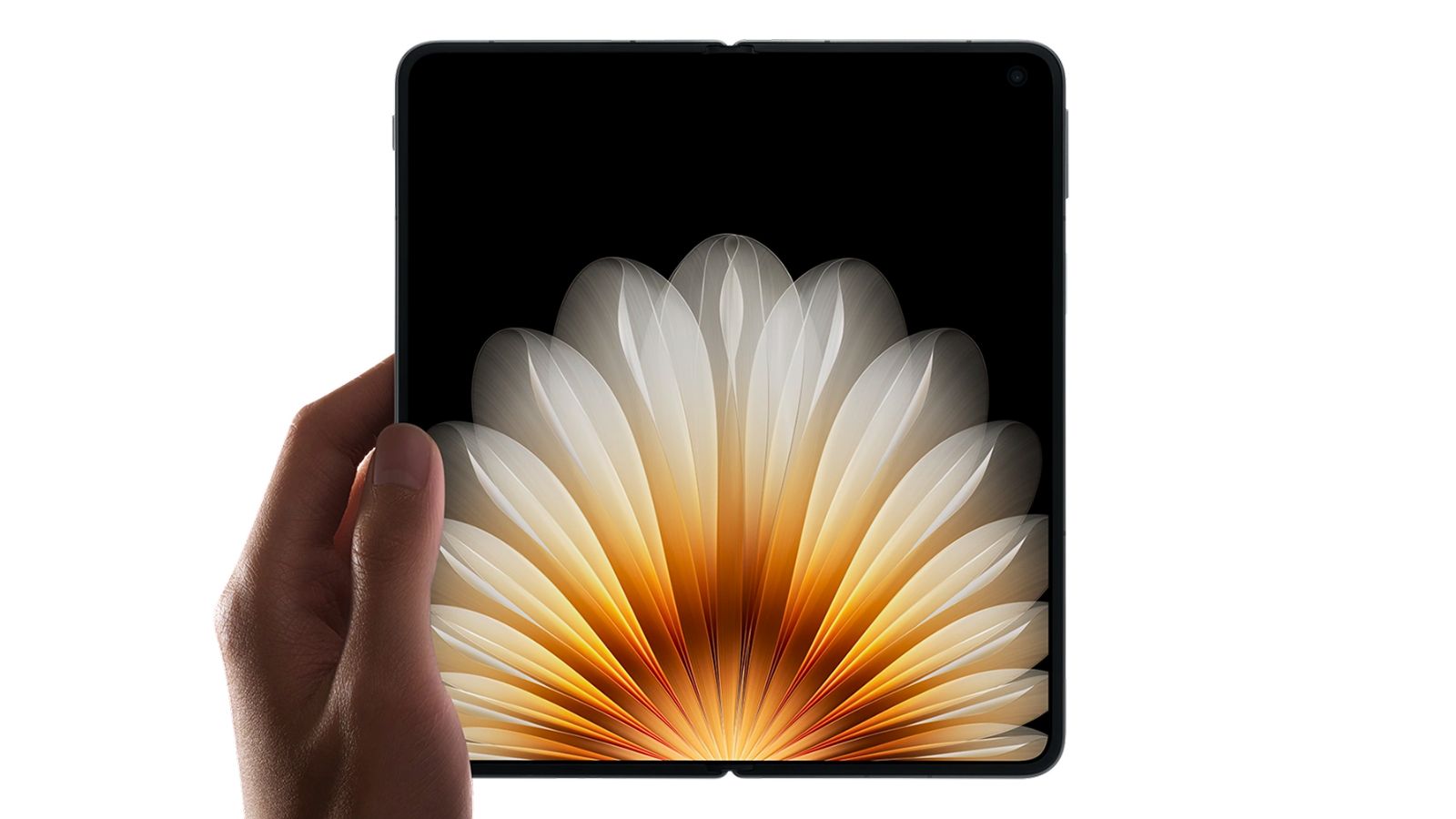
To overcome these blocks, Apple would have looked to the competition, even going so far as to purchase and disassemble one of the best Android foldables currently on the market: OPPO Find N5.
Apple: hunting for the secret of the “invisible fold”

The central issue revolves around the infamous central crease, that visible and perceptible indentation that characterizes most flexible displays at the hinge.
For Apple, known for its uncompromising design standards, presenting a product with such an evident aesthetic flaw would be unacceptable.
Rumors, coming from a Weibo account known as Fixed-focus digital cameras, report that Apple has exhausted internal options to develop a crease-free display. Prototypes made in Cupertino’s laboratories would not have met expectations, forcing the company to investigate the solutions adopted by rivals.
This is where OPPO Find N5 enters the scene. According to the rumor, Apple would have literally torn apart OPPO’s device to study its internal mechanisms and understand how the Chinese company managed to achieve such a minimal, almost imperceptible fold in the display.
The objective of this reverse engineering operation would be to decode the “secret recipe” that allows OPPO’s display to stay so flat, in the hope of replicating or even improving that technology for the foldable iPhone.
It is not known whether this tech autopsy has yielded the hoped-for results, but the very fact that Apple looks at a specific competitor with such interest underscores how critical the crease challenge is for the project’s success.
The display supplier remains Samsung
An especially interesting detail of this story lies in the origin of the components. The inner display of the OPPO Find N5, admired by Apple for its uniformity, is actually produced by Samsung Display.
This element further reinforces the rumors that Apple, after trying in vain to develop foldable panels in-house, would have decided to rely entirely on the South Korean giant for the supply of the screens for the future iPhone Fold.
It seems that Samsung’s “fold-free” display technology, shown at CES 2026, could debut on the Apple device, paradoxically skipping the next generation of Galaxy Z Fold. This dynamic highlights a complex web of dependencies in the mobile sector: Apple studies an OPPO phone to understand how to best integrate a display that was manufactured by Samsung.
Design and Mutual Influences
As Apple analyzes the competition, the design of its future foldable begins to take shape in rumors. It is expected that the iPhone Fold will adopt a wider aspect ratio than most current book-style foldables, opening to a form reminiscent of an iPad Mini.
This ergonomic choice would aim to offer a more comfortable and versatile workspace, differentiating from the narrower and longer formats typical of other brands.
Curiously, the flow of inspiration isn’t one-way. While Apple disassembles OPPO devices to glean their structural secrets, rumors say that OPPO itself is planning to release a future foldable that mirrors the lines of the supposed iPhone Fold, adopting that “wide” format that seems destined to become the new industry standard.