


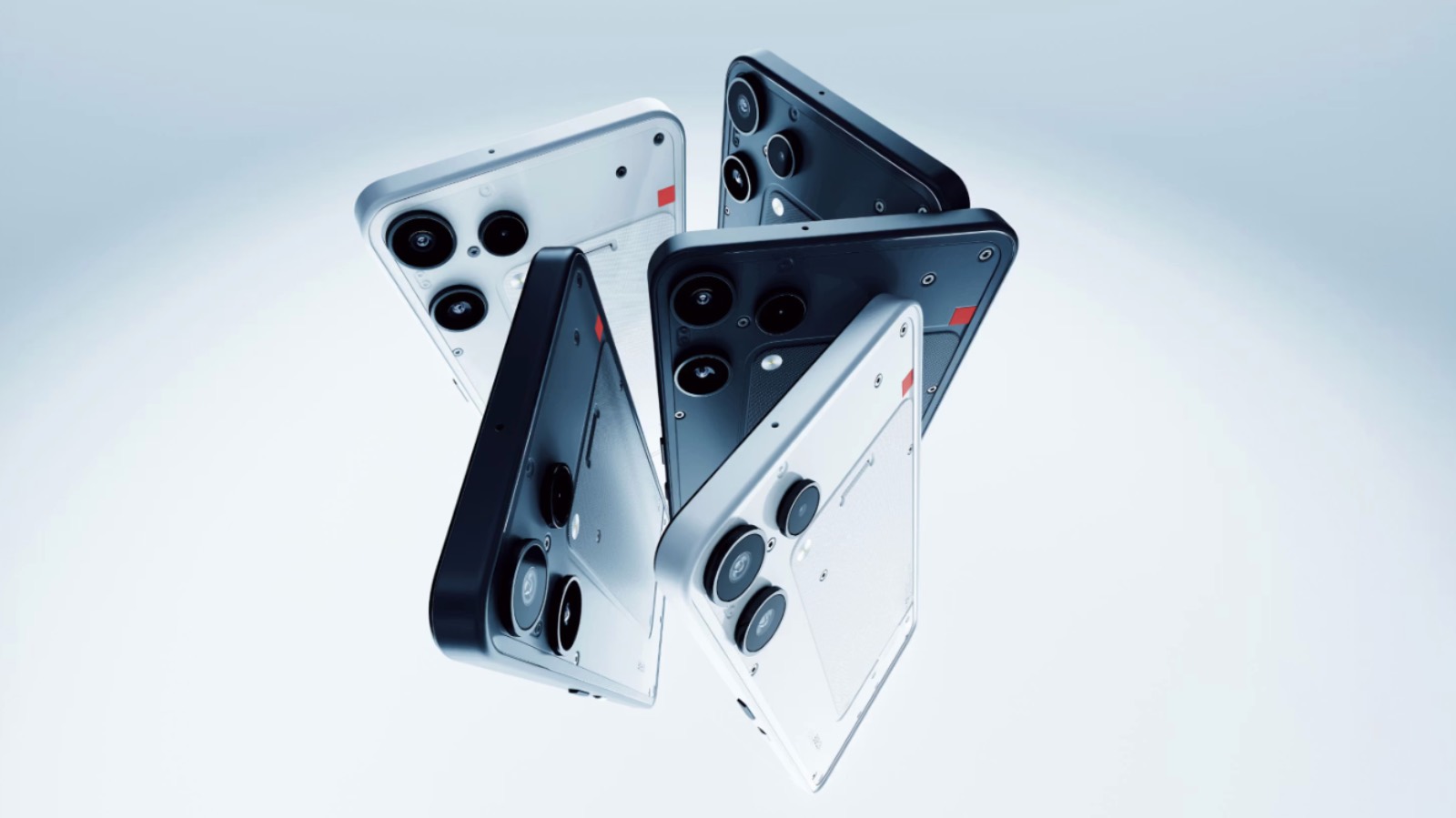
The world of mobile communications is entering a critical phase, marked by a perfect storm that risks undermining price lists and manufacturers’ strategies for the entire next year.
The crisis, triggered by a steep rise in RAM costs, has already pushed giants of the sector such as Samsung and Xiaomi to issue warnings about possible price increases for devices expected in 2026.
Joining this chorus of concerns is now an authoritative voice often out of step with the chorus: that of Carl Pei, co-founder of Nothing, who has outlined a grim but pragmatic scenario for the immediate future of consumer electronics.
Carl Pei, Nothing, explains why your next smartphone will cost more

In a recent post published on his social channels, titled notably “Why your next smartphone will cost more“, Pei defined 2026 as an “unprecedented” year for the industry.
The manager urged looking to the past: for fifteen years, the smartphone sector relied on a single, solid premise, namely that components would inevitably become cheaper over time.
Although there was some short-term volatility, the downward trend in memory and display costs has always allowed manufacturers to offer annual specifications updates without raising consumer prices.
However, according to Nothing’s top executive, in 2026 this model has definitively broken down. The triggering cause is a sharp and unprecedented spike in memory costs.
This structural change forces the entire industry to rethink its strategies, as it is no longer possible to rely on the drop in silicon prices to maintain profit margins or to offer more powerful hardware at the same price.
The end of the race for specifications and the bet on design
Pei’s statements aren’t limited to an economic analysis, but prefigure the philosophy of Nothing’s products for the year ahead. The co-founder stated decisively that 2026 will mark the end of the so-called “race for specifications.”
In a moment when the industry is forced into a forced reset, the user experience will become the only real differentiator. Pei emphasizes that the era of cheap silicon has ended, giving way to the era of the “intentional design“, a concept that aligns perfectly with Nothing’s mission.
This narrative, although coherent with the brand’s identity, hints between the lines at a scenario that could disappoint technology enthusiasts. Those expecting the Nothing Phone 2026 to leap forward in terms of raw power or hardware specifications could be quite disappointed.
The company seems to lay the groundwork for a year of minimal hardware updates, if not even technical compromises, betting everything on software optimization and the distinctive aesthetics of its devices. It’s not necessarily a strategic course change, since Nothing has always prioritized design and the interface over hardware specs, but the current crisis makes this choice almost mandatory.
Economies of scale
There’s also a purely industrial factor that could put Nothing in a disadvantaged position relative to its direct competitors. The rise in component costs affects everyone, but not to the same extent.
Goliaths like Apple, Samsung or Xiaomi can count on enormous economies of scale: ordering components in massive volumes, they have a bargaining power that allows them to secure better prices from suppliers or to absorb part of the increases.
Nothing, although it has gained popularity, does not move volumes comparable to those of market leaders. The inability to leverage high-volume orders to secure lower prices means that the London-based company could suffer the impact of the price increases more directly and painfully.
As a result, to stay competitive, the company will have to work hard on the software front. Rival manufacturers, in the market much longer, offer ecosystems rich in features; Nothing will therefore have to expand the capabilities of its visually unique Android interface to compensate for any hardware gaps and justify the ticket price.