


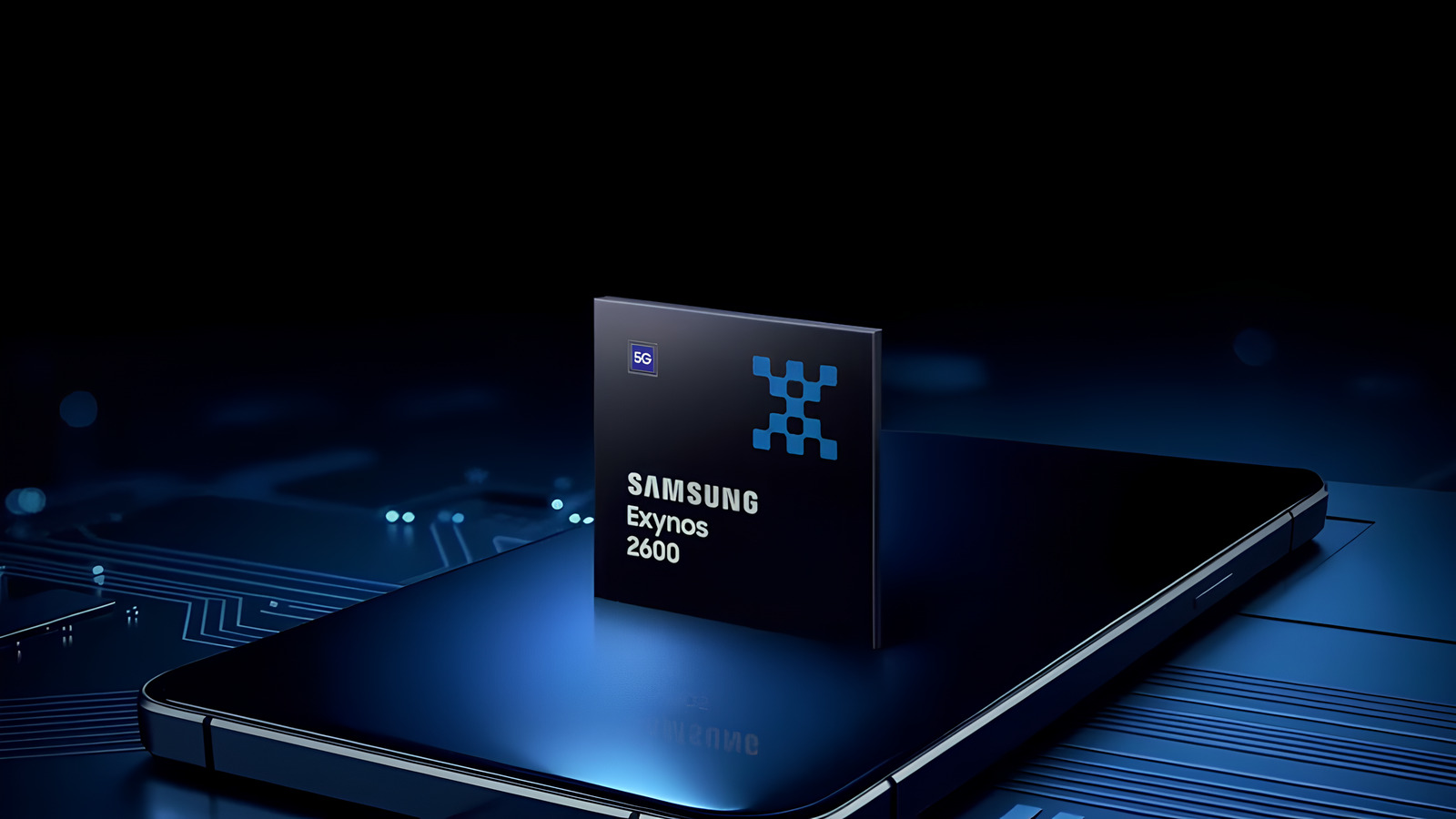
Samsung, aware of the challenges faced in the past and the fluctuating reputation of its proprietary processor line, has decided to raise the stakes with the new Exynos 2600.
Presented just a few weeks ago, this premium chip promises to radically improve thermal management and, to demonstrate it, the South Korean giant released an official video that goes into detail about the technologies used, highlighting an industry-first: the HPB technology.
Exynos 2600, here’s why the HPB technology is important
At the heart of Samsung’s strategy to redeem the Exynos is the acronym HPB, which stands for Heat Path Block. In the recent video published on YouTube, the company doesn’t just list technical specifications, but offers an in-depth look at how this engineering solution intends to ‘push the boundaries of size’.
In concrete terms, the HPB acts as an additional heat transfer layer, strategically positioned between the processor die and the vapor chamber or any other cooling system that will be implemented in various smartphones.
The stated goal is ambitious but precise: to reduce the chip’s thermal resistance by up to 16% compared to its predecessor, the Exynos 2500. This figure isn’t trivial, because thermal resistance is often the main obstacle preventing modern processors from maintaining high operating frequencies for extended periods.
According to Samsung, the HPB not only improves cooling capacity, but enables further miniaturization of components, allowing higher performance without increasing the physical size of the device, a critical balance in the era of ever-thinner smartphones.
Sustained performance for gamers
The practical implication of this new thermal architecture is evident especially for a demanding audience: gamers. Those who use the smartphone for intense gaming sessions or heavy workloads know well that the number one enemy isn’t lack of peak power, but thermal throttling, i.e., the performance drop the system imposes to avoid overheating.
The Exynos 2600, thanks to the implementation of the Heat Path Block, seems to have been designed precisely to guarantee sustained performance that has often been missing in previous generations.
If the promise is kept, the new SoC could represent a significant turning point, offering a frame-rate stability and a consistent responsiveness even after minutes or hours of intense use.
The official video suggests that Samsung has understood that the battle for supremacy isn’t won only with synthetic benchmarks of a few seconds, but with reliability in real-world use and prolonged use.
However, the video does not focus exclusively on heat dissipation. Samsung also wanted to highlight the internal structure of the Exynos 2600 and other design elements that contribute to its overall efficiency.
Among these, the use of a new interposer stands out, essential for balancing the chip’s size with the performance delivered, and a redesigned RDL (Redistribution Layer). The latter plays a crucial role in enabling the processor to offer high performance while maintaining a reduced form factor and, above all, significantly reducing the chip thickness.