


Expectations for the next entry-level device from Apple, the iPhone 17e, are rising rapidly, fueled by a series of new rumors coming from the Asian supply chain.
However, those hoping for a visual experience completely aligned with the high-end models may be disappointed.
According to the latest leaked information, although the device will finally embrace a more modern design, Apple has decided to maintain a clear technical distinction to keep costs down: the display will not enjoy the fluidity of ProMotion technology.
iPhone 17e, Dynamic Island arrives but not 120 Hz

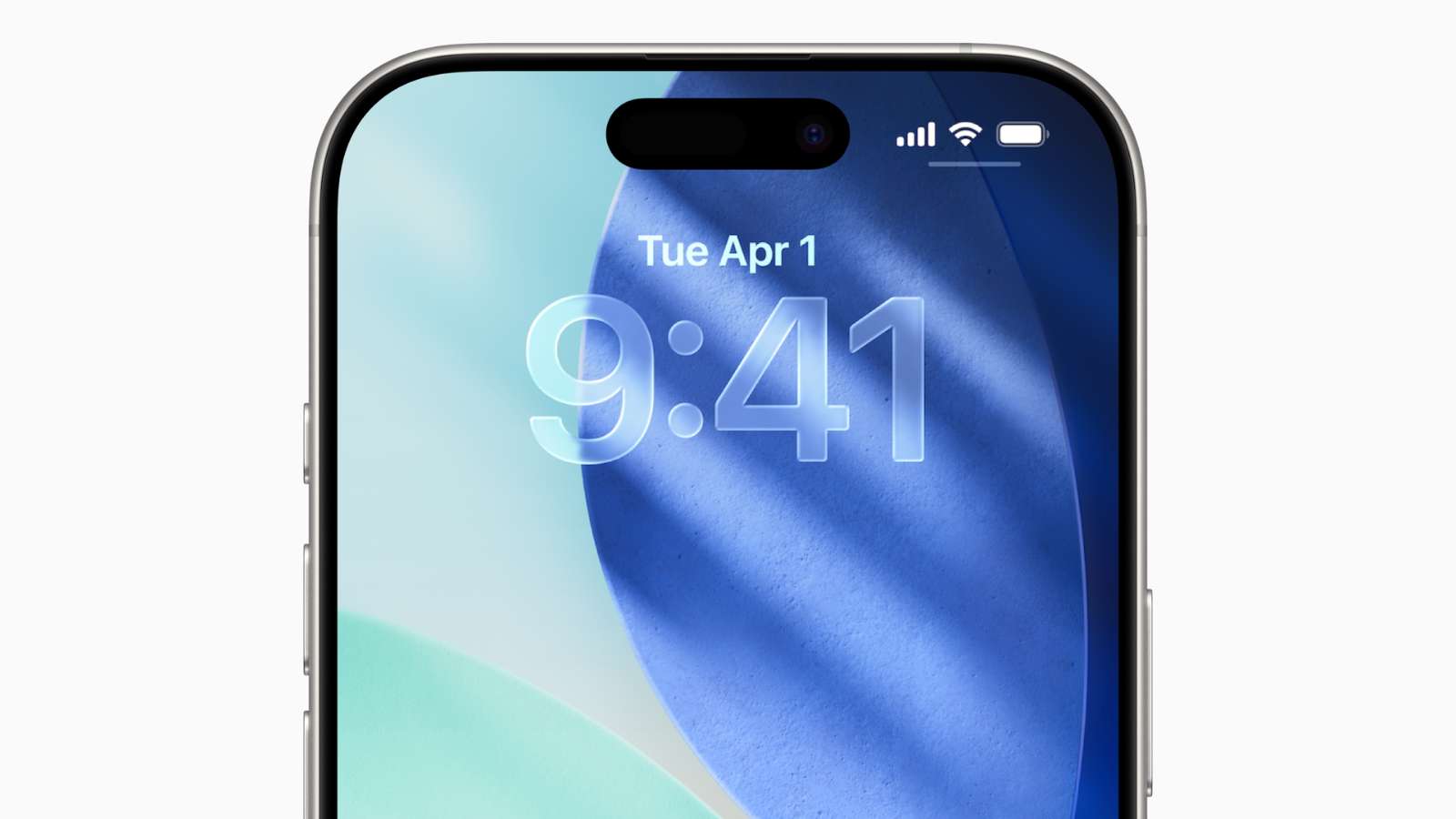
The most significant news, shared by the well-known leaker Digital Chat Station on the Chinese social platform Weibo, concerns the integration of the Dynamic Island on the iPhone 17e.
This marks the definitive goodbye to the “notch” (the top notch) even on the more affordable line, replacing it with the interactive pill-shaped area that houses the camera and front sensors, capable of displaying real-time ongoing activity and system notifications.
However, there is a significant downside. Despite Apple introducing substantial improvements to the displays of the main iPhone 17 lineup last year, bringing ProMotion technology with a refresh rate up to 120 Hz on more models, the iPhone 17e will remain anchored in the past.
The 6.1-inch OLED panel will continue to run at 60 Hz. This strategic choice denies users in this price tier the smooth web page scrolling and the responsiveness of video animations that are now standard on Pro models and the main lineup, underscoring Apple’s intent to clearly differentiate its products by price tier.
A design inherited from the recent past
The current iPhone 16e still features the classic top notch because its chassis is based on the iPhone 14 architecture from 2022. Following this evolutionary logic, the iPhone 17e appears to be based on the specifications of the iPhone 15 launched in 2023.
This generational step implies not only the arrival of Dynamic Island, but also suggests adopting a frame with more rounded and comfortable edges, improving the overall ergonomics of the device compared to the squarer design of its predecessors.
This is a necessary aesthetic update to unify the visual language of Apple’s entire lineup, even though the underlying panel technology does not make the same leap forward.
Under the hood there will be the powerful A19 chip
If the display represents a compromise, the performance promises to be the strong point. The leaks confirm that the second iteration of the affordable iPhone will mount the A19 chip, replacing the A18 on the iPhone 16e.
This newer processor is based on TSMC’s third-generation 3nm manufacturing process, known as N3P. In terms of raw power, the classic A19 should offer a CPU speed 5-10% higher than the A18.
However, an interesting detail has emerged from another Weibo leaker: Apple may use a depowered version of the A19 chip for this specific model.
If confirmed, this would position the iPhone 17e’s performance, net of Neural Engine improvements for AI, at a level comparable to the A17 Pro chip. Still a notable power for a phone in this tier, capable of handling heavy workloads without issues.
MagSafe system and cost cutting
Beyond the processor and the display, there are also important updates on the internal components and accessories front. Rumors suggest the inclusion of a rear magnetic ring, meaning the iPhone 17e will finally support the MagSafe ecosystem of chargers and accessories, a feature missing on the iPhone 16e.
To keep the anticipated starting price, Apple seems to have made some targeted cuts to the networking components. Leaked code suggests the device could be equipped with the older C1 or C1X modems and will be without the N1 wireless chip.
On the photography front, however, the kit should remain unchanged and solid: a 12 MP front-facing camera with Face ID support and a 48 MP rear main sensor.
As for timing, the iPhone 17e could follow in the footsteps of its predecessor with a February launch, although a later push into spring cannot be ruled out.