


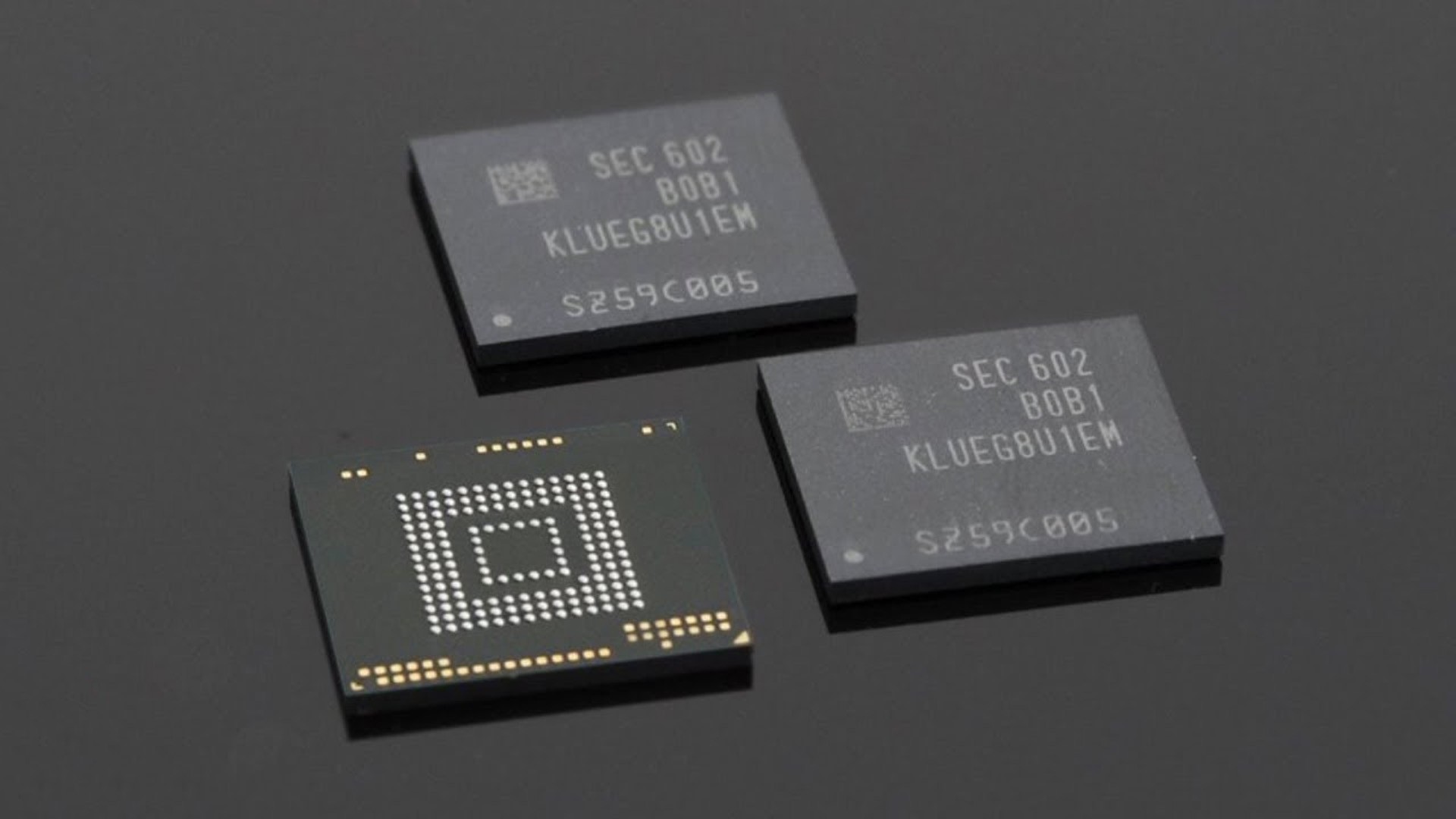
The tech sector faces a paradox: while hardware reaches new heights of power, the RAM price crisis threatens to dampen consumer enthusiasm.
According to ASUS, normalization won’t arrive until next year, but the return to affordable price points could take even longer.
ASUS admits: “No one wants to be the first to lower prices”

2026 has opened with the best prospects for mobile tech and computing enthusiasts. The introduction of processors Intel Core Ultra Series 3 has brought a tangible boost in performance, while the advent of technologies like Nvidia DLSS 4.5 is pushing gaming toward levels of realism never seen before.
However, in this scenario of innovation, the ominous shadow of the RAM memory price crisis looms, a phenomenon that risks ruining the party for manufacturers and end users alike.
With memory module costs already sky-high and companies forced to raise PC prices, it seems only a matter of time before the entire sector (from laptops to smartphones, up to consoles) revises its price lists upward.
The question now circulating insistently among industry insiders is one: when will we return to normality?
Diverging forecasts and ASUS’s view
From one side, giants like Micron have painted a decidedly not rosy picture, suggesting that the memory crisis will not see substantial improvement until 2028.
On the other hand, Intel offers a slightly more reassuring outlook, indicating the presence of sufficient stock for about 9-12 months before price hikes hit the supply chain hard. In this context of uncertainty, ASUS offers a different and pragmatic reading of the situation.
Sascha Krohn, Director of Technical Marketing at ASUS, has recently shared his assessments, hypothesizing that the memory shortage will start to normalize during 2027. Krohn positions himself between the more optimistic forecasts, which hoped for a price drop already by the end of 2026, and the more pessimistic ones that look to 2028.
According to the executive, memory chip manufacturers run their plants trying to maximize efficiency, and flexibility is limited. Although it is possible to reactivate old production lines to increase supply, current demand is so high as to make a rapid response difficult.
The main cause of this RAM apocalypse lies in the explosion of Artificial Intelligence: the demand for high-bandwidth memory (HBM) for data centers powering services like ChatGPT and Gemini has drained precious resources, leaving the consumer market with reduced inventories.
Price inertia: a downward battle that no one wants to start
Even assuming that the physical availability of RAM modules returns to acceptable levels in 2027, there is a second obstacle, perhaps more insidious, that concerns the commercial dynamics.
Krohn raised a crucial point about market psychology: the resistance of companies to lower prices once prices have risen. History teaches that, even when supply constraints ease, a lengthy adjustment period is needed before costs for the end user reflect the new availability.
The argument is brutally logical: if a product was sold at a high price the previous week, sellers will display a natural hesitation in lowering the cost the following week.
This is a stall situation where no brand wants to be the first to cut prices, sacrificing its margins.
According to Krohn, it could take several quarters for prices to fall slowly, waiting for a market actor to decide to “pull the trigger” first, then forcing competitors to follow suit.