


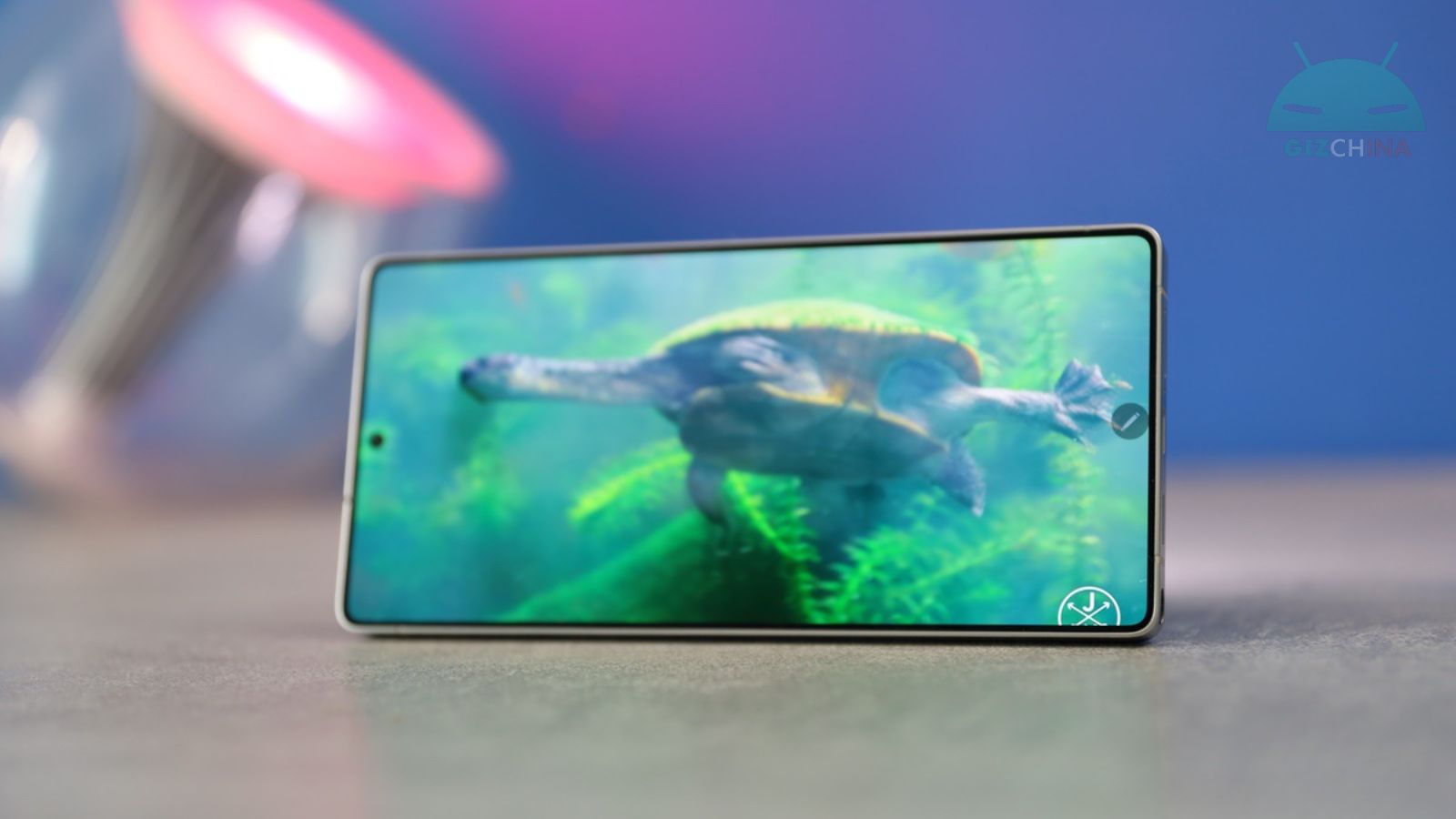
The countdown is almost over; just under a month remains until the official debut of Samsung’s new flagship lineup, and the atmosphere around the Galaxy S26 Ultra is turning electric.
With a planned launch window for the end of February, the rumors have ceased to be vague speculation and have turned into increasingly concrete technical details.
Among the numerous expected novelties, one in particular could radically change users’ habits: the promise of a display so complete as to render any protective accessory obsolete.
If until today buying a premium smartphone was almost always inextricably linked to applying tempered glass and screen protectors, the South Korean giant seems ready to break this bond.
Samsung Galaxy S26 Ultra will render screen protectors and protective glass obsolete
According to the latest information from one of the most authoritative sources, the well-known insider Ice Universe, the Galaxy S26 Ultra will debut with a new generation of Gorilla Glass.
Not a simple evolution of the Gorilla Armor 2 seen on the Galaxy S25 series, but a major upgrade designed to give the panel an ultra-high structural strength.
The idea is to eliminate at the root the need for additional tempered glass, which often compromises the device’s aesthetics, creates unpleasant tactile steps, or reduces the sensitivity of the fingerprint sensor.
The new glass on the S26 Ultra promises to absorb shocks and resist scratches even better, allowing users to enjoy the phone’s original design without the constant anxiety of damaging its most precious component.
Not just durability

The real innovation, however, lies not only in the hardness of the material, but in its other optical qualities. The rumors suggest Samsung has worked to incorporate into the glass all the features for which people typically turn to the aftermarket accessories market.
The new panel should boast an even more sophisticated anti-reflective treatment than the one introduced with the S24 series, eliminating the need for matte films for readability under direct sunlight.
Added to this is the implementation of CoE technology with non-polarized light, which would guarantee transparency and image sharpness superior to any ultra-clear film currently on the market.
Even more surprising is the native integration of privacy technology. A leak, confirmed by the company’s own publication errors, indicates the presence of a Privacy Display.
This feature would dynamically limit the side viewing angle, protecting sensitive content from prying eyes without forcing the user to apply those dark films that often degrade the overall color quality and brightness.
A heavy blow to the accessories market
If these specifications are confirmed at the February end event, we would be facing a massive shift for the mobile phone industry.
Ice Universe described this move as “a direct attack on protective film manufacturers“, defining Samsung a potential “killer” of this accessories sector.
The logic is strict: if the phone natively solves issues of reflections, shock resistance, clarity, and privacy, the reasons to buy external protection collapse one after another.