


Samsung has recently unveiled technical details about its new chipset, the Exynos 2600, introducing a solution that promises to radically change temperature management in mobile devices.
The technology in question is called Heat Pass Block (HPB) and it was designed to reduce thermal resistance and optimize heat dissipation generated by modern semiconductors.
Interest in this implementation has grown rapidly, fueled by rumors suggesting the adoption of the same architecture also in future designs from the competition, in particular in a supposed Pro variant of the Snapdragon 8 Elite Gen 6.
Goodbye to fan smartphones? This Samsung technology is more effective

The need for a structural intervention stems from the increase in operating frequencies. With processors pushing toward the 5.00 GHz threshold to ensure high scores in single-core and multi-core benchmarks, heat has become an almost insurmountable obstacle with traditional methods.
According to some sources active on the Weibo platform, the introduction of HPB could guarantee a 20% improvement in dissipation capacity, a margin sufficient to sustain intensive workloads without incurring the phenomenon of thermal throttling.
The limit of fans
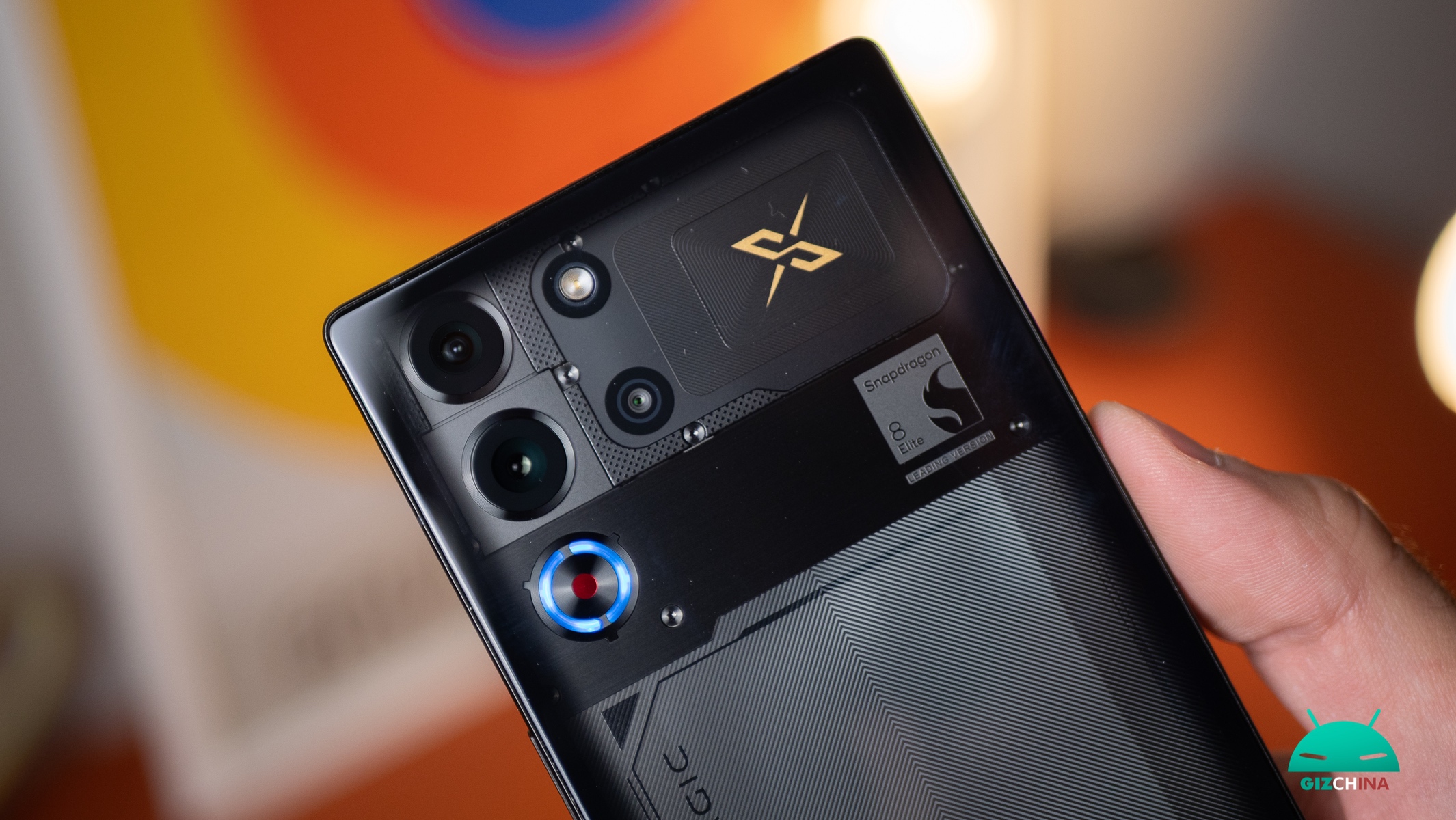
Until today, to counter the scorching temperatures of high-end SoCs, several manufacturers specializing in gaming smartphones, such as the RedMagic series, have integrated small active cooling fans inside the chassis.
Although functional, these mechanical components carry the inevitable drawback of noise, a factor that can disturb the daily user experience. Despite the presence of such systems, current chips like the Snapdragon 8 Elite Gen 5 still struggle to maintain optimal temperatures under prolonged stress.
A practical example emerges from tests conducted with graphically demanding titles such as Tomb Raider 2013. In a direct comparison, the iPhone 17 Pro Max, equipped with the A19 Pro chip, maintained an operating temperature of 39°C, while the RedMagic 11 Pro, despite the active cooling system, reached 47°C.
This gap highlights how the classic approach is losing effectiveness. The problem often lies in chip design, where DRAM memory placed above the processor die leaves little physical space for heat transfer.
The Heat Pass Block technology intervenes right here, inserting a heatsink directly on top of the die, creating a preferential channel for heat expulsion that would otherwise be trapped between the various silicon layers.
Seeing is believing
The adoption of HPB by Samsung could therefore mark the end of cooling fans on high-end Android smartphones, enabling cleaner and quieter designs without sacrificing raw power.
However, as encouraging as the premises and leaks are, the mobile hardware world always requires field testing.
It will be necessary to wait for the first independent tests on commercial devices to confirm whether the Exynos 2600 will really be able to keep its promises and whether this technology will become the de facto standard for the entire industry, allowing Qualcomm and other manufacturers to abandon hybrid solutions in favor of passive but extremely efficient dissipation.
Until then, the Heat Pass Block remains one of the most interesting innovations to watch for the next generation cycle.