


The Samsung Galaxy S26 Ultra brings with it a package of very interesting novelties. Compared to the previous generation, the device boasts a refined screen through the introduction of the technology Privacy Display, a processor with significantly higher performance, slightly improved optics for the rear photography department and faster charging speeds.
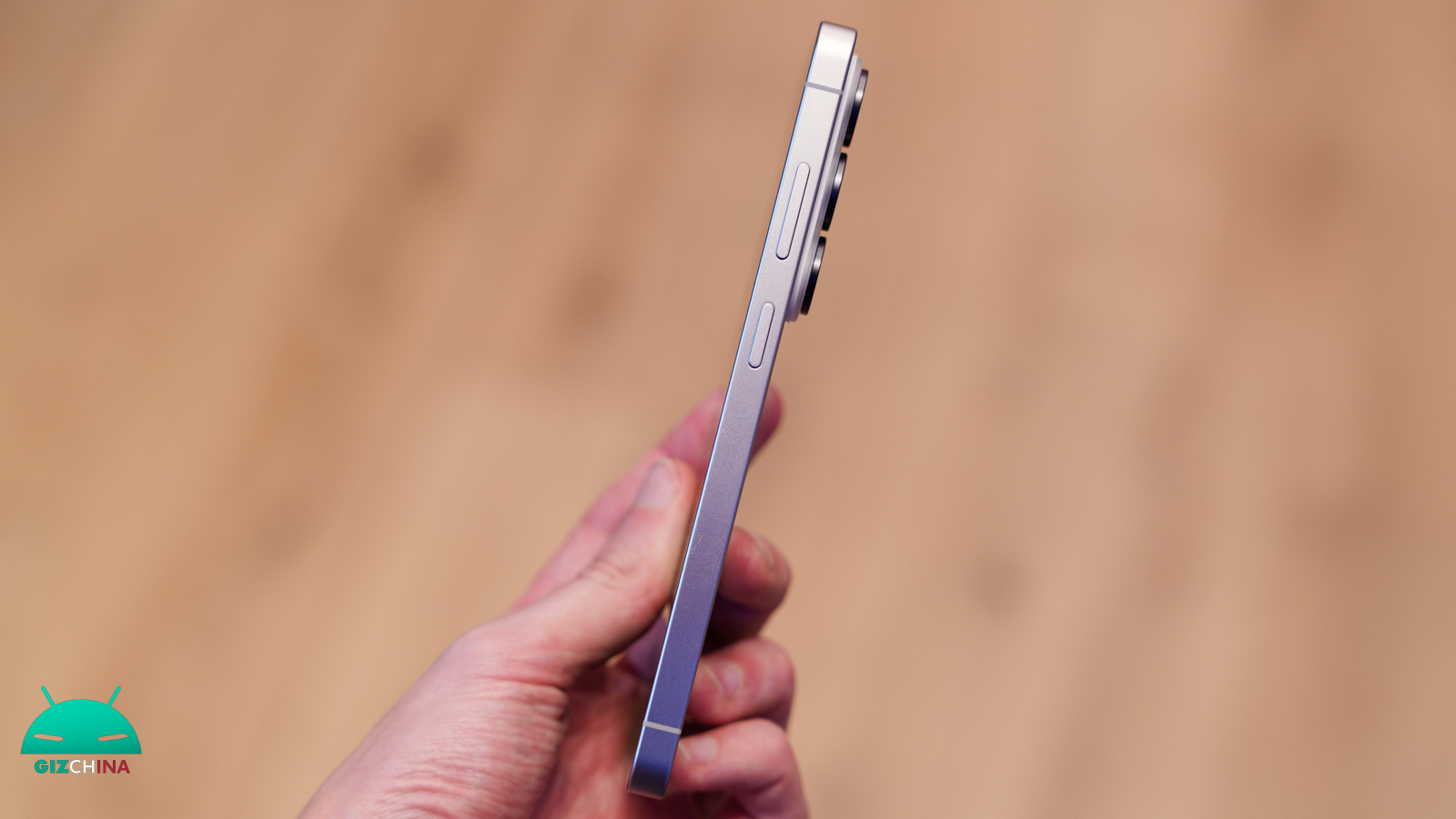
However, among the numerous technical improvements, one detail stands out that immediately sparked debate among enthusiasts, namely the abandonment of the titanium frame in favor of a return to the more traditional aluminum.
A choice that, in effect, appears to be an aesthetic and structural downgrade, prompting many to question the real motivations of the Asian manufacturer.
Galaxy S26 Ultra is not titanium, Samsung explains why

In the face of the legitimate misgivings raised by this decision, the company has provided a formal explanation. The statement aims to frame the relinquishment of the premium metal as a pure engineering necessity, conceived solely to improve the overall ergonomics of the phone.
Specifically, the company justified the switch to aluminum as follows:
“The material choice in every Galaxy device reflects Samsung’s effort to balance durability, comfort, and design intent. For the Galaxy S26, our aim was to create the thinnest Ultra-series device ever, while continuing to meet the premium durability and reliability standards that users expect from a Galaxy experience. Armor Aluminum has proven to be the ideal material to support a thinner and lighter form factor without compromising the Galaxy S26’s everyday durability.“
The industrial logic and the path laid out by Cupertino
Despite official assurances, the thesis of a thinner design seems decidedly unconvincing to many. The real reasons behind this retreat seem to lie elsewhere, particularly in rigid factors related to engineering and in profit-margin optimization.
Titanium presents high procurement costs and requires complex machining processes. Moreover, in terms of thermal dissipation, it offers noticeably inferior performance compared to aluminum, a detail not negligible on devices with extremely powerful processors that generate significant heat during the most demanding workloads.
The manufacturer has chosen to omit these delicate technical and economic details, retreating behind the narrative of reduced thickness.
What makes Samsung’s explanation even more fragile is a direct comparison with the moves of its main competitor. This year, in fact, the new iPhone 17 Pro and 17 Pro Max have definitively abandoned titanium to return to aluminum.
This curious timing leaves little room for doubt. It seems highly probable that the motivations provided by the South Korean company are simply a well-crafted excuse to justify a precise strategy: following the path laid out by Apple.
Choosing aluminum, in fact, means selecting a material that is much less expensive, enormously easier to mill and work on a very large scale.