


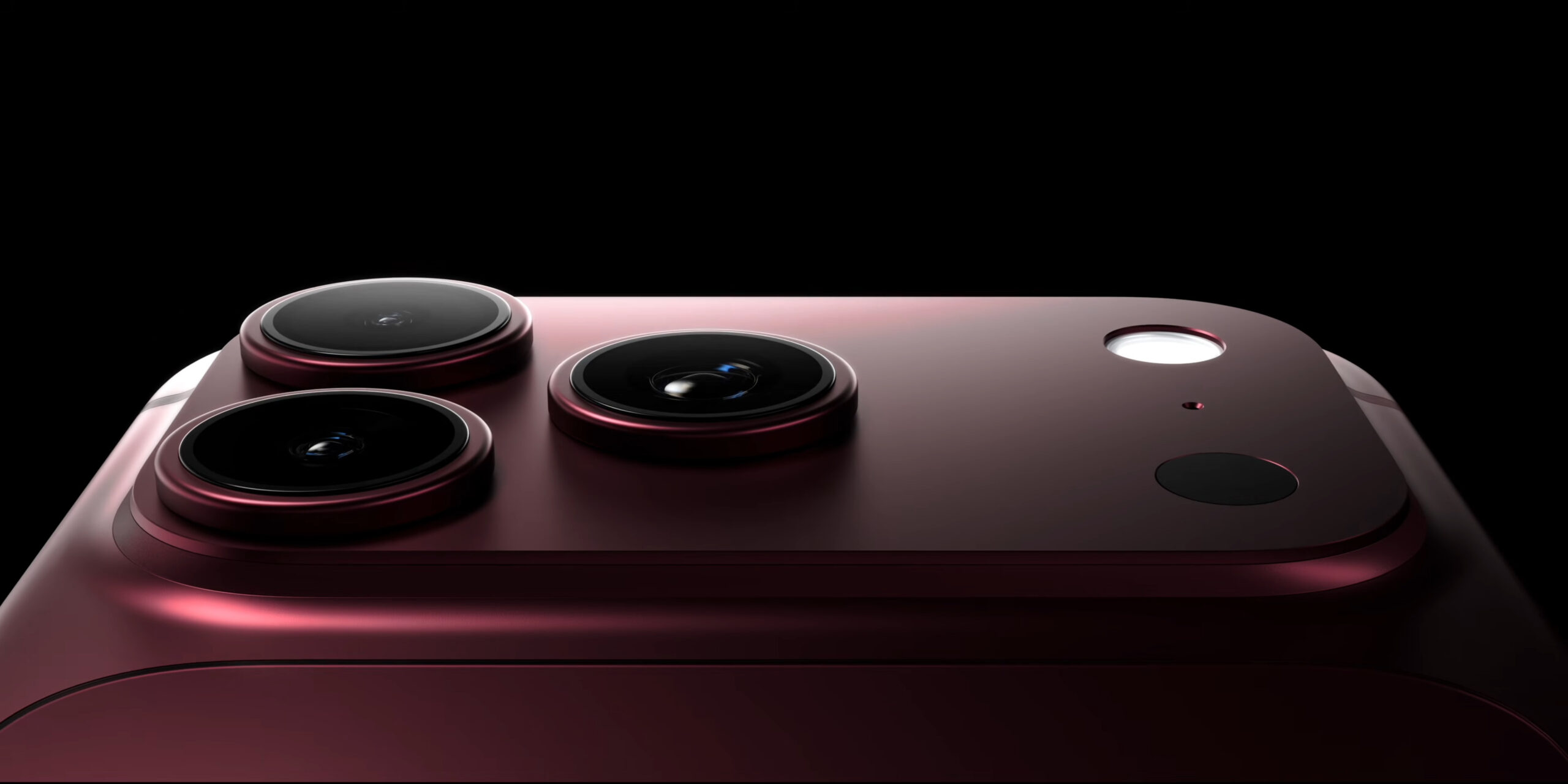
The anticipation for the next generation of premium smartphones from Apple is constantly filled with rumors, outlining an increasingly precise picture of what consumers can expect from the Cupertino tech giant.
The latest rumors about the future iPhone 18 Pro bring with them contrasting updates. On one hand, conservative details about the product’s aesthetics emerge; on the other, significant performance leaps are anticipated.
iPhone 18 Pro: design unchanged, changes will be under the hood

Earlier this year, several leaks had suggested the possibility of radical aesthetic changes for the next flagship iPhone.
Among the most discussed hypotheses stood a possible refinement of the Dynamic Island, imagining a nearly full-screen visual experience thanks to a complete redesign.
However, these prospects were quickly scaled back. According to recent revelations from the well-known informant Digital Chat Station via the platform Weibo, the initial information circulating would have simply been the result of banal translation errors.
Supply chain data suggests that the company is not pushing to implement the complex under-display Face ID technology for this generation. It is highly likely that designers will choose to reuse exactly the same molds as the previous model.
This means the device’s exterior appearance will remain almost unchanged, keeping the current module design for another year. Users hoping for a visually novel device will presumably have to wait for the iPhone 19 generation, when Face ID hidden under the display could finally debut.
The real quality leap happens inside
If the exterior appearance follows a conservative line, Apple will rely entirely on the internal architecture to make the new product irresistible.
The main protagonist of this update will be the A20 Pro processor, which according to sources will be manufactured using the advanced process at 2 nm (N2) forged by TSMC. The most reliable indications suggest that this microchip will adopt for the very first time a WMCM module, acronym for Wafer-Level Multi-Chip Module.
This architecture allows RAM memory to be integrated directly on the silicon wafer, working in close proximity with the neural engine, the graphics processing unit and the central processor. Such a level of engineering will translate into a clear improvement in performance related to the complex functionalities of Apple Intelligence and into a decidedly higher optimization of energy consumption.
To complete the hardware specifications, sources indicate the adoption of a battery capacity exceeding 5,000 mAh, though the company traditionally prefers to communicate these values in watt-hours.
Additionally, a camera with significantly wider aperture is expected.
Cupertino’s solid strategy
The choice to maintain a familiar design while deeply updating the components is by no means a novelty for the Californian company. Historically, the brand prefers to proceed with incremental refinements rather than overhaul the aesthetics of its products year after year.
This particular philosophy aims to constantly refine a product that is already very solid, concentrating the immense research and development resources on the concrete user experience.
While a sharp visual refresh would certainly have generated strong excitement at first glance, the implementation of ultra-modern hardware technologies remains the essential aspect to aim for.
The innovations in photography, advanced energy management, and sheer computing power will more than adequately compensate for the lack of a modified design, offering concrete reasons for anyone considering upgrading their device.