


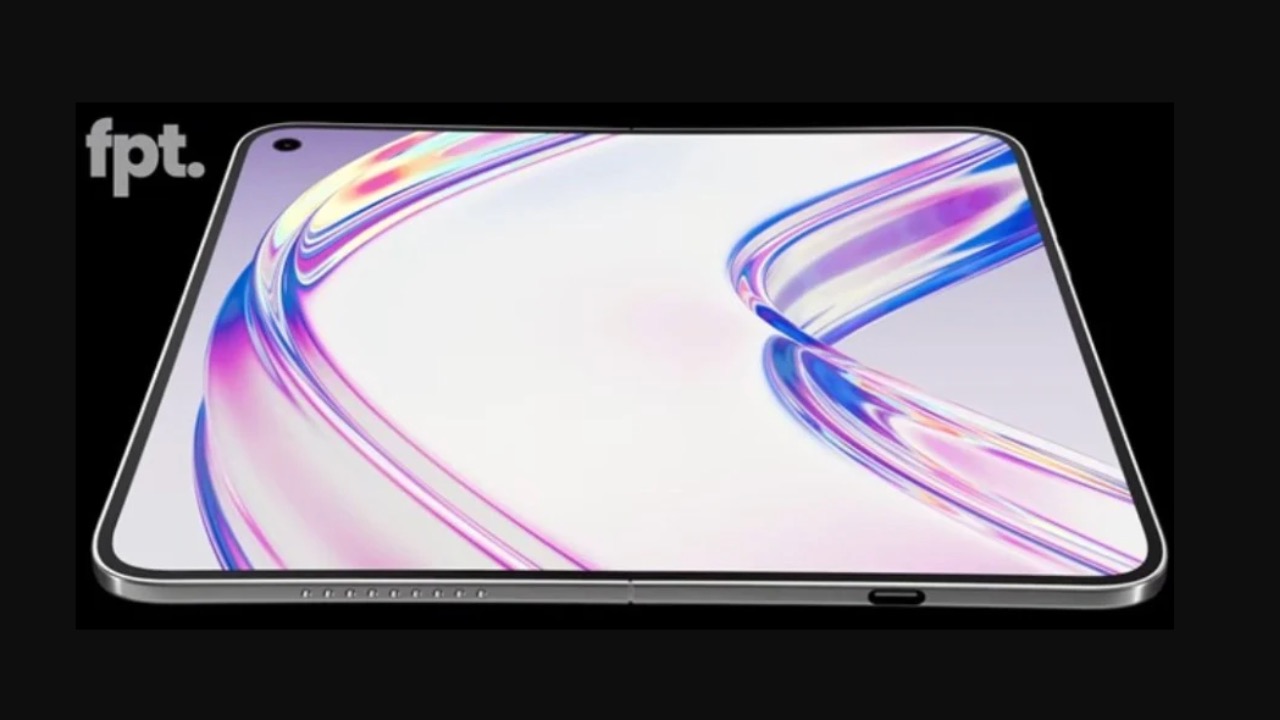
The debut of the first foldable smartphone from Apple is approaching, and technical details about the California-based company’s choices continue to emerge.
For years, Cupertino’s executives have waited before proposing a device with a foldable screen, having long sought a solution to completely eliminate the unsightly central crease.
Although it has not achieved absolute invisibility for this first generation, the company has decided to prioritize design, accepting some decisive compromises on the overall robustness of the panel.
iPhone Fold: refined aesthetics at the expense of durability

To make the crease as inconspicuous as possible, Apple has invested enormous resources in developing an ultrathin protective layer. The latest rumors confirm the use of UTG glass, characterized by a thickness that stops below 30 micrometers.
This thickness is significantly lower than the current choices of direct competitors. In the past, other manufacturers had experimented with similar thicknesses, only to increase them in later generations to ensure greater product longevity.
Such a reduced thickness gives the panel greater flexibility, allowing it to follow the mechanical movement and prevent the formation of deep grooves or permanent creases. The inevitable consequence of this engineering choice is a significantly greater vulnerability.
The display will be more delicate and more exposed to the risk of breaks following accidental drops or severe impacts. To mitigate this fragility, sources suggest applying a self-healing glass coating capable of absorbing and erasing superficial scratches and minor signs of daily wear, but structurally insufficient against significant physical trauma.
The company’s bet is based on the idea that users will prize impeccable aesthetics over extreme durability.
Everything to keep costs down
The other major challenge during development concerned controlling production costs to keep the final price within acceptable limits.
Initially, analysts estimated figures above €2,500, but the latest rumors suggest a much more aggressive positioning, close to €2,200 for the base model with 256 GB of storage. To hit this figure, designers had to make precise compromises on materials and assembly techniques.
First of all, the panel architecture will be composed solely of the aforementioned UTG glass, abandoning the initial designs that anticipated the use of more complex and expensive hybrid materials.
On the mechanical side, the hinge will not use a contactless mechanism; although such a solution would have reduced the stress on both halves of the screen during closing, the manufacturing costs would have risen unsustainably.
Finally, for machining the complex titanium hinge, Apple will rely on 3D printing combined with specific filler materials to smooth micro-irregularities. This technique will replace traditional and costly high-precision milling, reducing production costs without compromising the mechanism’s functionality.
Very high market expectations
Despite a display that requires special care and a price that remains exclusive, commercial forecasts indicate enormous potential for success.
The wait for Apple’s first foldable is such that it is expected to achieve record sales volumes, capable of selling out initial stock in no time, following a buying pattern already observed for the competition’s most expensive products.
The balance between an attractive design and a price below the worst expectations could prove to be the right formula to rapidly erode significant market shares from direct rivals.