


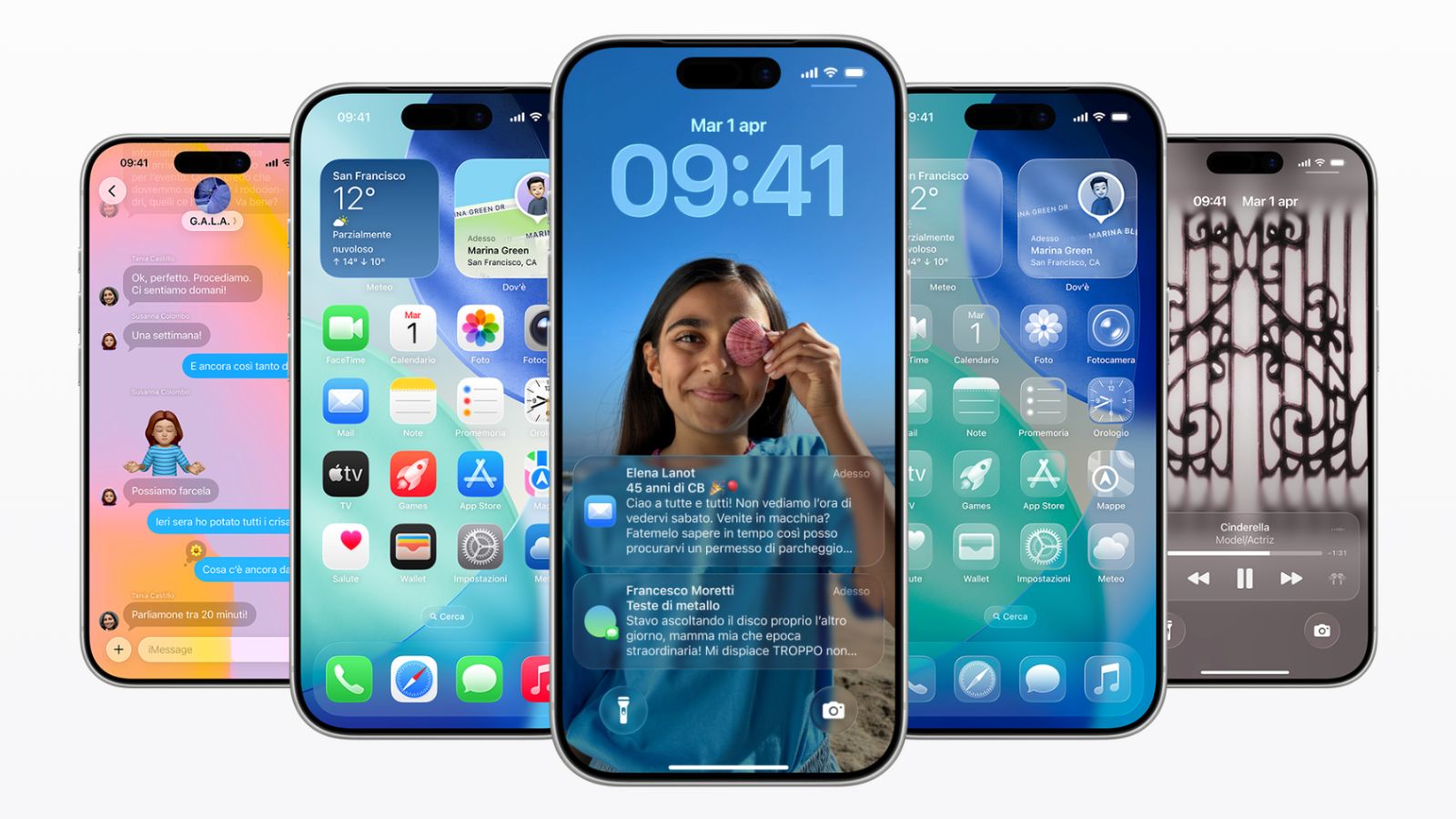
The path taken by Apple with the lifecycle of iOS 26 continues to prove rocky for a portion of users. Despite Cupertino’s efforts to stabilize the operating system through subsequent releases, the latest update, iOS 26.2.1, released last January 26, seems to have fallen short of reliability expectations.
Nato principalmente per introdurre il supporto al new AirTag 2 and to fix some graphical imperfections, such as the icon overlap in the control panel, the software ended up introducing new bugs instead of solving those that already existed.
iOS 26.2.1, issues reported by users

The first warning signs were identified by the publication Mac Observer and subsequently confirmed by a growing number of testimonies on Reddit and on the official support forums.
Users affected describe a user experience compromised by sudden app freezes, interface lag and unexpected crashes.
Among the more insidious issues are those related to connectivity and, in more specific cases, to loss of browsing data: several iPhone owners have complained about the disappearance of all open Safari tabs and the deletion of saved places and favorites within Apple Maps.
Biometric authentication also seems to have suffered a setback. The Face ID, usually fast and reliable, is now described as slower or prone to frequent failures, especially when used to access within third-party apps.
Concerns about battery life are not lacking: abnormal battery drain has been reported even on devices of the latest generation, such as the iPhone 17 Pro Max.
In a worst-case scenario, a user even reported the complete exhaustion of storage space immediately after the update, rendering the smartphone effectively unusable.
Cannot Roll Back
A crucial element to consider is Apple’s handling of firmware signing. Concurrent with the release of version 26.2.1, the company has stopped signing the previous iOS 26.2 version.
This detail has a notable practical impact: those who update and encounter the bugs described above will not have any possibility of performing a downgrade to revert to the previous stability. The user would then be forced to live with the issues while waiting for a future corrective patch.
However, it is worth noting that the situation is not dramatic for everyone. Several testimonies, particularly from users with high-end models, report a smooth system and even more stable than in the past.
It seems then that the problems hit in a leopard-spotted fashion, a situation not entirely unusual when dealing with a massive redesign of the operating system like the one that happened with iOS 26. For those who have not yet updated, the wait could prove to be the wisest strategy.