


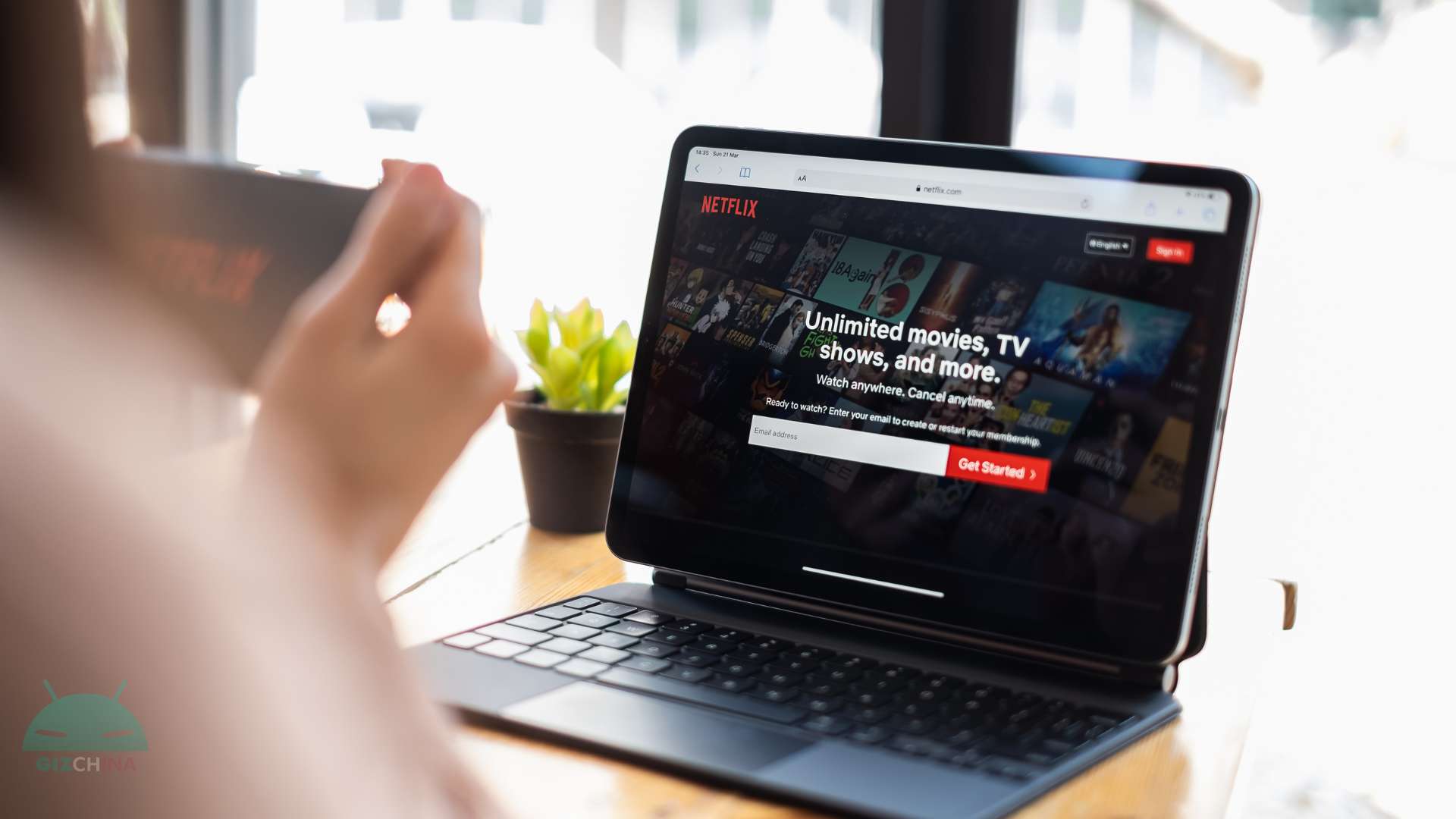
The ability to enjoy ultra high-definition streaming directly from your browser has always been a complex topic for Netflix subscribers.
Although the need for such high resolution on small screens like smartphones is debatable, the situation is quite different for those using laptops and desktop PCs.
The recent upgrade introduces an improvement, adding support for 4K streaming through the Chrome browser, albeit with significant limitations.
Netflix in 4K via Chrome: how to do it and what are the limits

The update, confirmed on a support page recently updated, extends the ability to reach Ultra HD on Chrome, but exclusively for a selection of devices.
Users of operating systems other than Windows and ChromeOS still face insurmountable barriers: the macOS version remains tied to Full HD, while for Linux the maximum limit is set to HD (720p).
For those using a Windows PC, the technical requirements to unlock 4K on Chrome call for having the Windows 11 operating system paired with Intel Core 7th Gen processors or newer, or an AMD Ryzen CPU.
From a graphical perspective, a Nvidia GeForce GTX 1050 GPU is required, a AMD Radeon RX 400 series or newer, as well as HEVC support and updated drivers.
Regarding Google’s ecosystem, 4K access is reserved for Chromebook Plus devices equipped with the latest versions of ChromeOS. In both cases, it is essential to use a built-in or external screen with 4K resolution and a 60 Hz refresh rate, equipped with a connection compatible with the HDCP 2.2 standard.
Even meeting all these criteria, advanced features like Dolby Vision, HDR10+, and Dolby Atmos remain an exclusive of the dedicated application, not accessible via the browser.
Alternatives and user frustration
For users who want the highest quality without adhering to Chrome’s requirements, there are alternative routes. On macOS, the Safari browser guarantees 4K support, while on Windows you can opt for Edge.
The complexity introduced by the streaming service to access the maximum visual quality leads to usability issues, especially given the continually rising subscription prices.
The difficulties users encounter, often documented in online discussions, show how the pursuit of optimal quality can turn into an obstacle course. While concerns about copyright protection are understandable, ease of access remains a determining factor for subscribers.
When legal and paid viewing proves excessively cumbersome, it creates fertile ground for seeking less regulated alternatives, demonstrating that ease of use is as essential as the quality of the content offered.