



The rampant expansion of artificial intelligence infrastructure has crossed the boundaries of the purely IT sector, turning into a gold mine for sectors traditionally considered distant from high technology.
While attention centers on the major producers of microchips and servers, an entire parallel supply chain is recording record profits.
Datacenters: a gold mine even for sectors distant from tech
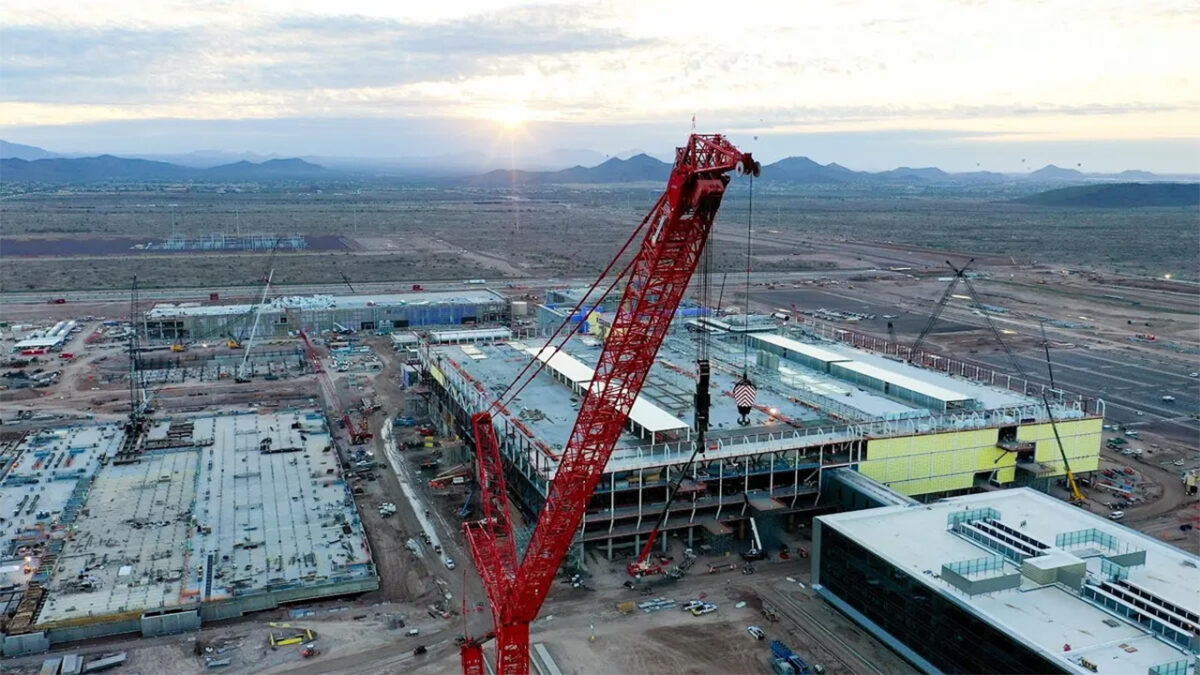
The construction of modern data centers, complex industrial buildings, requires tons of steel, cement, cables and protective paints. This phenomenon is injecting valuable liquidity into long-standing real-economy companies, largely offsetting the weaknesses of other segments, such as real estate.
U.S. GDP data for the second quarter clearly show this trend. Investments in information processing equipment and software generated almost half a percentage point of the overall 1.5% growth.
Although this figure is slightly below last year’s peaks, it remains a formidable contribution when compared with historical averages.
However, these estimates capture only the purely electronic component of investments. The sector giants, including Alphabet, Amazon, Meta, Microsoft, Qualcomm and Oracle, are preparing to spend over $750 billion in capital expenditures during the current year.
A sizable portion of this imposing budget flows into construction materials and physical components, pushing up the revenues of those supplying the essential raw materials to build these colossal structures.
The market’s unexpected players
Recent financial statements confirm the ongoing trend. Sherwin-Williams, the well-known paint manufacturer, saw its shares jump 8.3% in a single session, marking the best result in the last four years.
Leading the growth, capable of offsetting the stagnation of the US housing market, was the division of protective and marine coatings, with a sales increase of over 10%, versus 7.5% for the entire group.
CEO Heidi Petz highlighted the company’s ability to provide complete and timely solutions to support the insatiable infrastructure demand of the cloud providers.
Similarly, PPG Industries, whose management signaled a rich slate of upcoming orders for fire-resistant paints, structural pavings and dielectric coatings.
Also cabling and heavy construction are playing a leading role in profits. WESCO International posted a 45% increase in sales of its data-center solutions division, while the multinational 3M benefited from Microsoft’s adoption of its patented fiber-optic cable connectors.
On the inert materials front, companies like Vulcan Materials and Martin Marietta Materials report a consistently strong demand for asphalt and aggregates, fueled by large non-residential projects.
A double-edged link and new risks
This interconnection shows how the digital transition is blending with the primary industrial fabric, distributing huge flows of capital along the entire supply chain.
Companies that once depended almost exclusively on civil construction or public infrastructure now find an unexpected engine in computational hubs.
This direct link, however, carries with it inevitable exposure. Depending so heavily on the investment cycle of the tech sector means that, in the event of a slowdown or saturation of data-center spending, repercussions would spread rapidly from Silicon Valley companies to concrete producers, adding a new layer of volatility to the revenues of traditional manufacturing and the entire economy.