


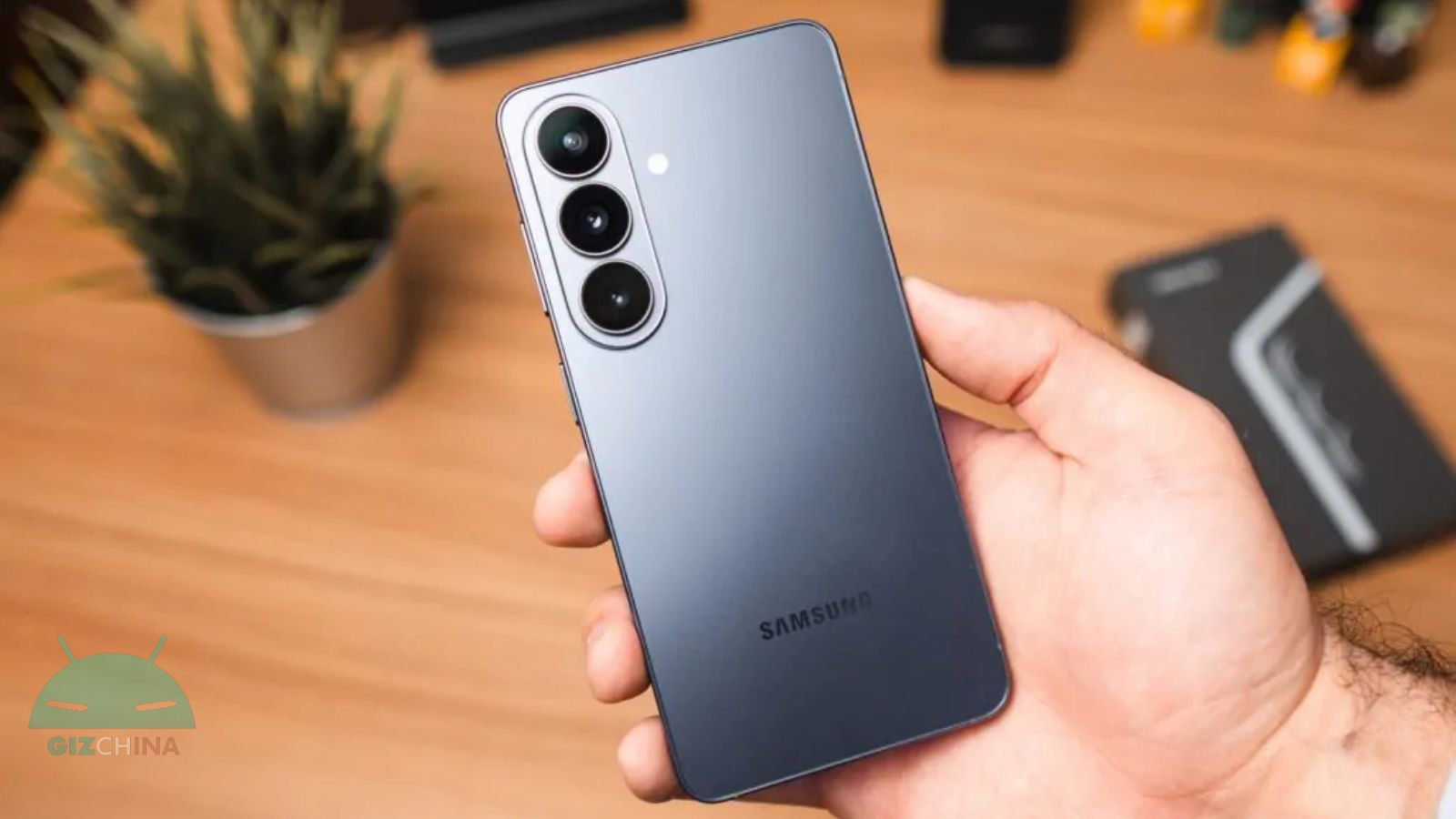
The wait for the launch of Samsung’s new mid-to-high-end device is about to end. A few months ahead of the probable official unveiling, more and more precise details about the technical specifications of Galaxy S26 FE begin to leak.
The most notable update to emerge in these hours concerns the charging speed of the battery, an aspect that surprisingly places the new “Fan Edition” in a position of superiority relative to the standard version of the flagship series.
Samsung Galaxy S26 FE, faster charging than the base flagship?

Recent information, drawn directly from the documentation related to UL Demko certification, have revealed that the upcoming smartphone will maintain a wired fast charging rate of 45 W.
This feature is in direct continuity with the previous generation. The Galaxy S25 FE, in fact, offered exactly the same charging power.
Although maintaining this technical specification after the update on the previous model may seem obvious, current market dynamics teach us not to take anything for granted.
It often happens that the newer iterations of some devices offer slightly reduced functionalities compared to the past for production reasons; therefore, the confirmation of 45 W constitutes a reassuring and very positive signal for prospective buyers.
The most peculiar and interesting aspect of this leak concerns precisely the comparison with Samsung’s top-of-the-line range. According to what has leaked, the Galaxy S26 FE will guarantee decidedly better charging times than the base model of the higher-end range.
The Galaxy S26 standard, in fact, remains tied to a fast charging of only 25W. Consequently, users who opt for the FE edition will be able to enjoy a substantially faster charging technology, ensuring a tangible benefit in recharging their device energy in the shortest possible time.
Processor, memory and possible price variations
In addition to the charging data, rumors also outline the potential overall performance of the smartphone. Under the hood should house an Exynos 2500 processor, paired with a memory RAM of at least 8 GB. This represents a natural and coherent technological progress, considering that the predecessor used the Exynos 2400 chip paired with a similar amount of memory.
It remains to be seen what the final market positioning will be. So far there have been no precise indications about the price list, but by observing the evolution of components and the industry trends, a potential increase in the selling price absolutely falls within the realm of concrete possibilities.