


Asian manufacturers are known for their speed in bringing hardware innovations, often ahead of Western competitors.
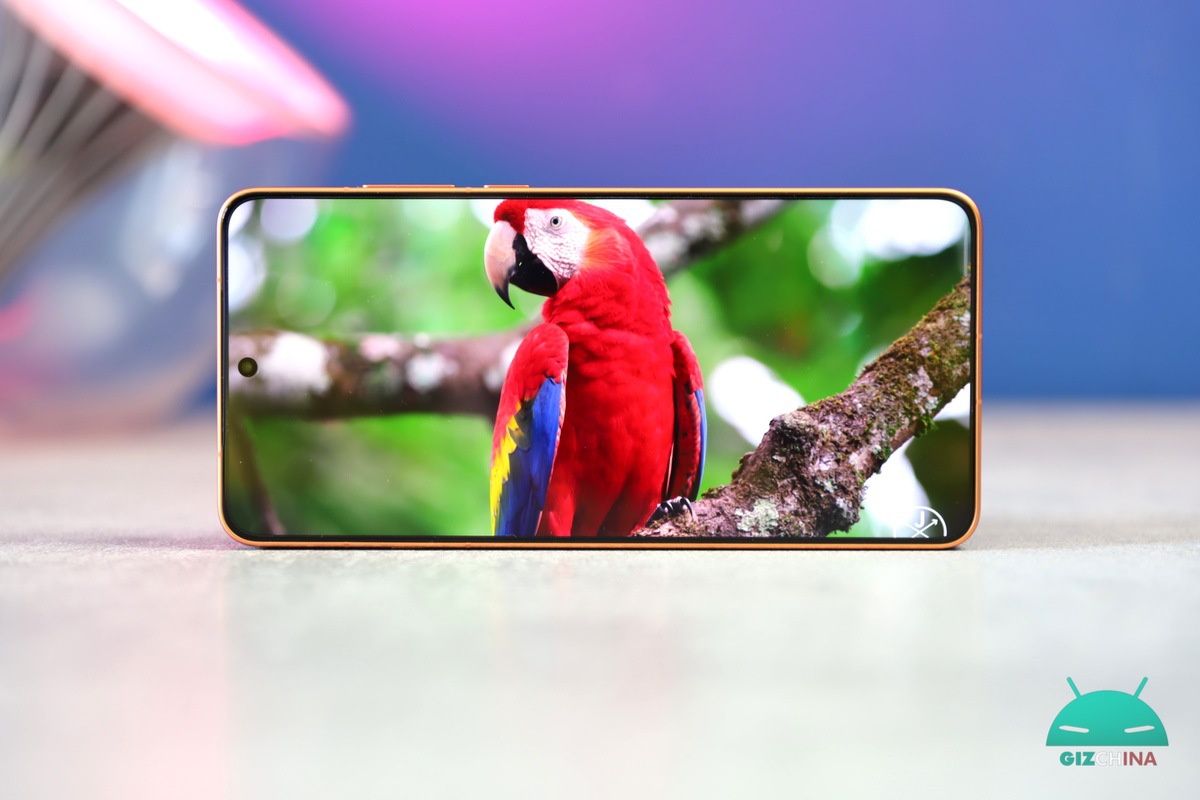
One of the most recent challenges concerns the adoption of next-generation displays, and the latest rumors suggest that OPPO could soon surpass Apple by integrating a superior technology, not even present on the upcoming iPhone 18 Pro.
At the heart of this competition are the Tandem OLED panels, a solution that promises significantly higher brightness and a longer lifespan compared to traditional single-layer displays.
While the market watches the moves of the big players, the Asian supply chain is organizing itself to accelerate deployment times on an increasing number of devices.
BOE opens a plant for Tandem OLEDs, OPPO is already a customer

The Chinese company BOE, specialized in display production, is preparing to start mass production of its 8.6-generation OLED panels, directly challenging Samsung’s dominance.
According to industry sources, on June 17 a ceremony will be held to announce the opening of the new B16 production plant, located in Chengdu, Sichuan Province. This facility will boast an initial production capacity of 32,000 sheets per month.
Although the initial batches are destined for 14-inch panels for IT-sector customers such as ASUS and Acer, rumors reveal that OPPO is among the main buyers.
This detail suggests quite clearly that the Asian company could be the first to implement Tandem OLED technology on a smartphone, beating Cupertino to the punch.
Apple’s strategies and production challenges
While OPPO seems ready to accelerate, Apple adopts a decidedly more cautious approach. The California-based company has already used Tandem OLED displays on iPad Pro, and, according to current estimates, will extend them to the future MacBook Pro equipped with the M6 processor, relying exclusively on supplies from the South Korean counterpart Samsung.
However, with regard to smartphones, the integration of this technology requires a structural overhaul of the thermal management systems.
Precisely due to complex technical limitations related to temperatures, Apple would be evaluating the feasibility of the project for its own phones with a possible launch postponed all the way to 2028.
Despite the evident timing advantage hypothesized for OPPO, the brand’s plans depend heavily on the actual production capacities of BOE.
In the past, the Chinese supplier has faced difficulties in maintaining yield rates qualitative and quantitative to meet the highest standards demanded by the global market.
Not surprisingly, major tech brands historically rely on Samsung and LG for the complex LTPO OLED panels, deemed more stable and reliable for mass production.
If BOE can finally guarantee adequate volumes and a consistent quality without interruptions, the coming months will mark a crucial turning point for smartphone displays, delivering to end users much brighter, more efficient, and longer-lasting screens.