


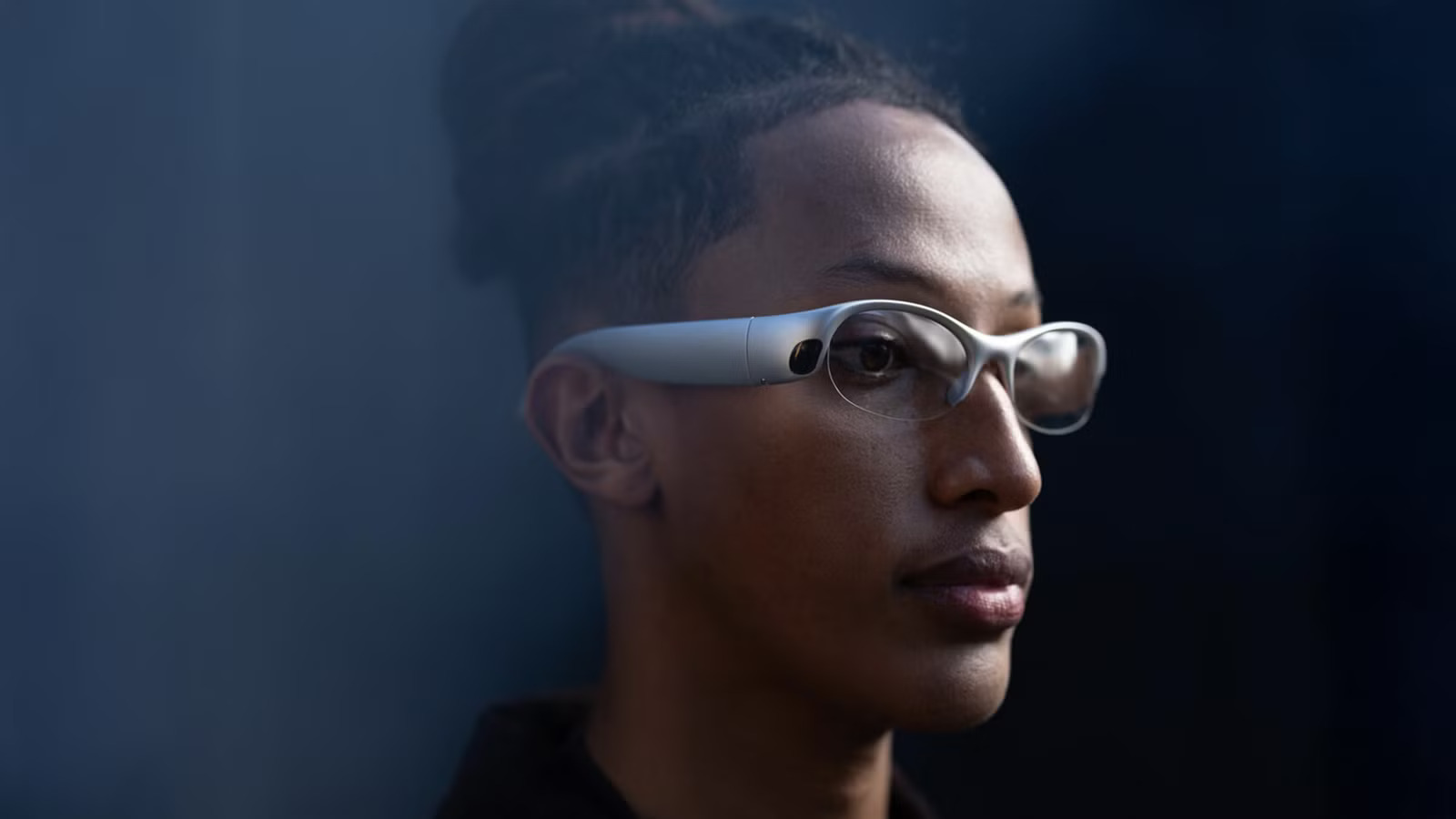
The competition on next-generation wearable devices is facing unexpected setbacks for the Cupertino company. While major competitors accelerate production to seize the sector, Apple is forced to delay the launch of its anticipated smart glasses.
Initial rumors pointed to 2026 as the year for the company’s entry into this specific market segment, but recent analyses indicate a substantial delay.
The main reason behind this slowdown does not lie in supply chain or ergonomics issues, but in the significant difficulties related to software development and optimizing the functions of the software.
Apple smart glasses, new delays due to AI

According to journalist Mark Gurman, company executives have significantly revised the internal roadmap, moving the device presentation from the end of 2026 to the early 2027. However, this internal delay suggests that consumer availability may not materialize before the end of 2027.
The delay is closely connected to the processing of visual AI. California designers consider the current software capabilities not yet mature enough for daily use.
Management has therefore decided to take additional months of work to avoid putting a defective product on the market, protecting the high quality standards historically associated with the brand.
Vibrant aesthetics and software integration
The glasses were designed as a true support platform for the Apple Intelligence system, making the performance of AI-based services an essential element for the operation of the entire project.
Despite the long runway to market, the first design details of the product emerge.
The information describes an accessory offered in a wide variety of frames, all characterized by particularly vivid color tones.
This precise design choice serves to create a clear distinction from the alternatives currently on the market, differentiating future models from competing products such as those developed by Meta.
Samsung’s strategic advantage
Asian rivals are taking advantage of this slowdown to gain valuable ground.
Samsung is moving on multiple fronts: in addition to actively participating in a joint project together with giants like Google and Qualcomm, and with optical brands such as Warby Parker and Gentle Monster, the South Korean company is planning a proprietary line of Galaxy-branded smart glasses.
Forecasts indicate the debut could occur as early as this year. If Samsung manages to meet these timelines, it would be in an extremely strong commercial position.
The Seoul-based company could even manage to launch a second iteration of its own glasses by mid-2027.
In such a scenario, when Apple’s hardware finally makes its appearance on store shelves, Samsung would already have an established presence with two different generations of products in circulation, enjoying a substantial competitive advantage and valuable direct consumer experience.