


Smartphone market analysts continue to track the market during the first quarter of 2026, the start of the new year — which will be completely marked by the memory crisis. The new overview provided by the Omdia report allows us to take a look at the Western area, with the list of the major smartphone manufacturers for the European market. At the top there are the usual names while Xiaomi remains firmly in the third position, reaffirming itself as one of the brands most appreciated by users (even in light of the drop in shipments).
How Q1 2026 fared in Europe: smartphone sales results, in an Omdia report

According to the report, in Q1 2026 smartphone shipments in Europe reached 33.1 million units. Samsung and Apple slightly increased their market share: about 12.6 million units for Samsung (leading the chart) vs 12.2 million last year; in second place we find Apple, with 8.8 million units against 8 million in 2025 (with a growth in market share from 25% to 26%).
Xiaomi maintains its position and confirms itself in the TOP 3: Lei Jun’s company shipped 4.5 million units, with a 14% market share. These figures are important when considering those of 2025, with 5.3 million units and the 16% market share. Despite the decline and the strong pricing pressure, the Chinese company remains the third smartphone manufacturer in Europe.
The memory crisis has driven up costs across the tech sector: brands have tried to absorb expenses internally but we have inevitably reached the season of price hikes for end users.
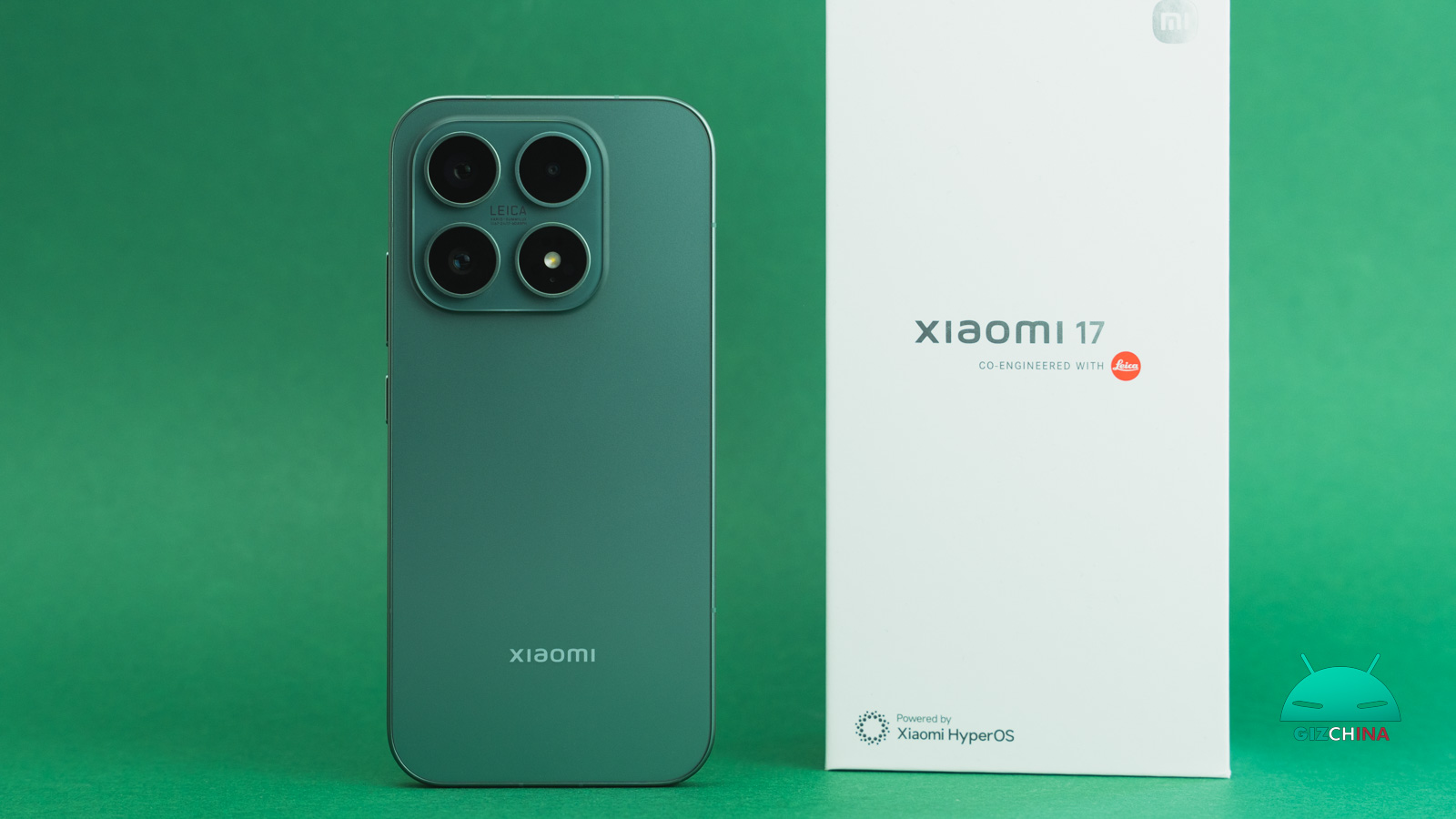
However, another important finding emerged: the Omdia report notes that consumers are increasingly turning to high- and upper-mid-range smartphones, pushing the average selling price in Europe to a record level of €580. Xiaomi itself is pushing hard on the premium range, with the latest Xiaomi 17 and 15T; the Chinese brand has achieved particularly good results in at least three countries namely France, Germany and Spain.
How things will change
In sum, the European smartphone market grew by 2% year over year, despite the general uncertainty due to the tech sector crisis. According to analysts the market would have been stabilized (during the Q1) by the strong demand from users and the aggressive stock buildup by distribution channels.
Despite better-than-expected results, Omdia analysts forecast that smartphone shipments in Europe will fall by 12% over the course of the year. Clearly the reasons are not hard to imagine:
- the rising cost of memory;
- the volatility of the supply chain;
- the normalization of inventories in the second half of 2026;
- the reduced demand for low-end devices.