


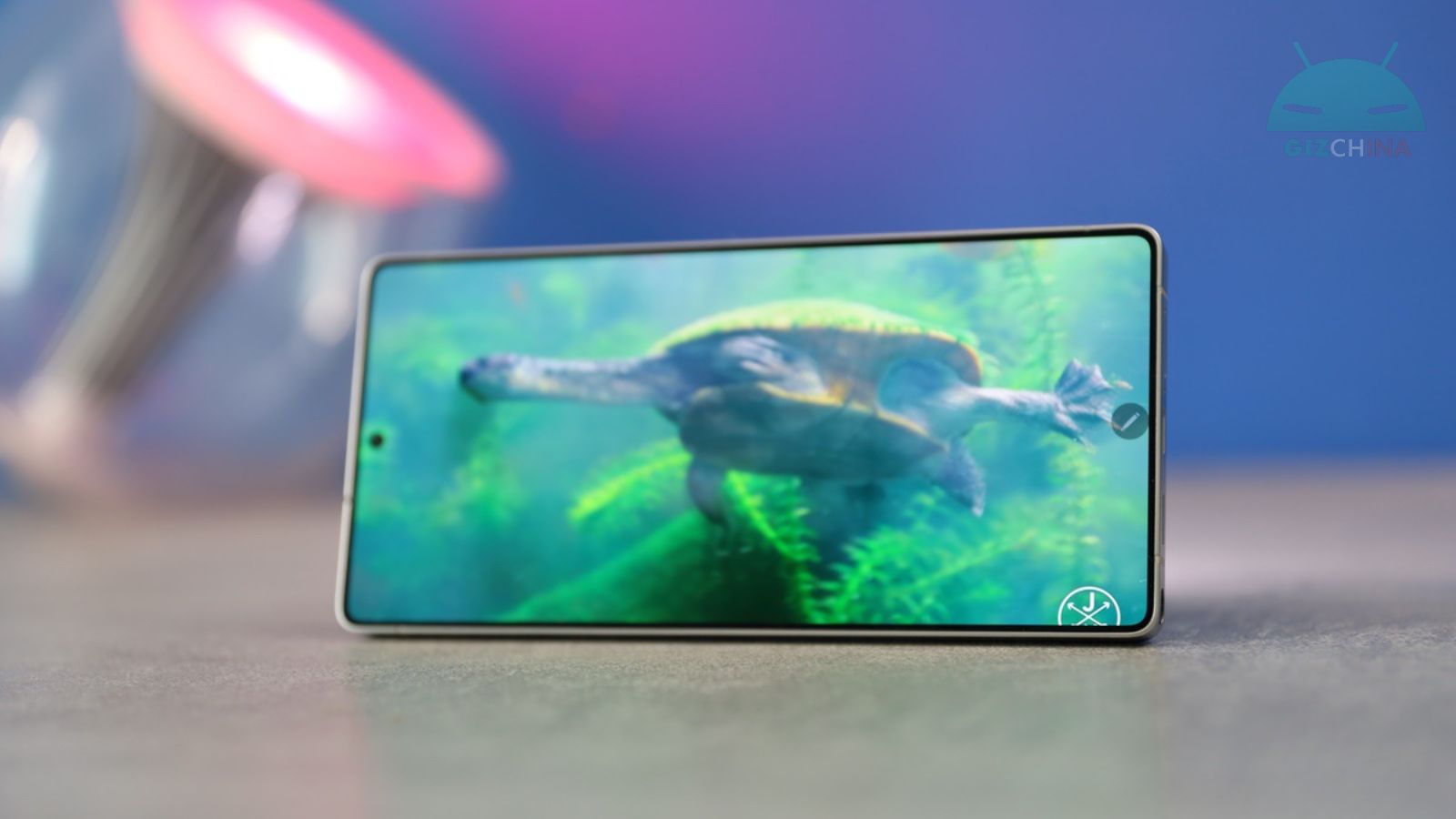
According to recent leaks, Samsung is reportedly conducting advanced internal research on a holographic display for smartphones, identified with codename MH1 or simply H1. It would be an ambitious project to create a new category of devices: indeed, among potential partners there would be Apple. Cupertino would need to develop a hypothetical Spatial iPhone equipped with the new displays from the South Korean house.
Samsung Display would be working on a holographic screen: here’s how this supposed novelty should work

Unlike previous attempts to implement 3D without glasses, which often proved impractical or hampered by extremely narrow viewing angles, the MH1 project would be based on a combination of three elements: one nanostructured holographic layer, an advanced eye-tracking system and the technology beam-steering.
The final result would resolve the image stability issues typical of devices like the Nintendo 3DS. The practical goal is to enable the user to move or tilt the phone to view digital objects from different angles, creating the illusion of looking around them rather than at a simple flat image.
One of the most interesting aspects concerns the ability to preserve full resolution during normal 2D use, eliminating the quality compromises that have plagued past 3D technologies.
Although the project is still in its early research and development phase, its use prospects are revolutionary and range from user interfaces with floating elements to spatial gaming and deeper integration with mixed reality ecosystems.
Samsung Display, on the other hand, boasts a solid history in panel innovation, having already led the adoption of foldable OLEDs and recently introduced hardware-level viewing-angle control technologies on the Galaxy S26 Ultra (the so-called Privacy Display).