


The Mountain View-based company’s anticipation for the next generation of smartphones continues to grow as the traditional event Made by Google, which is expected to be held in August.
This year, however, an unexpected detail may have foreshadowed one of the most interesting aesthetic innovations of the upcoming Pixel 11.
During the Google I/O 2026 keynote, an unannounced device seemed to have made a brief appearance on stage, immediately capturing attention.
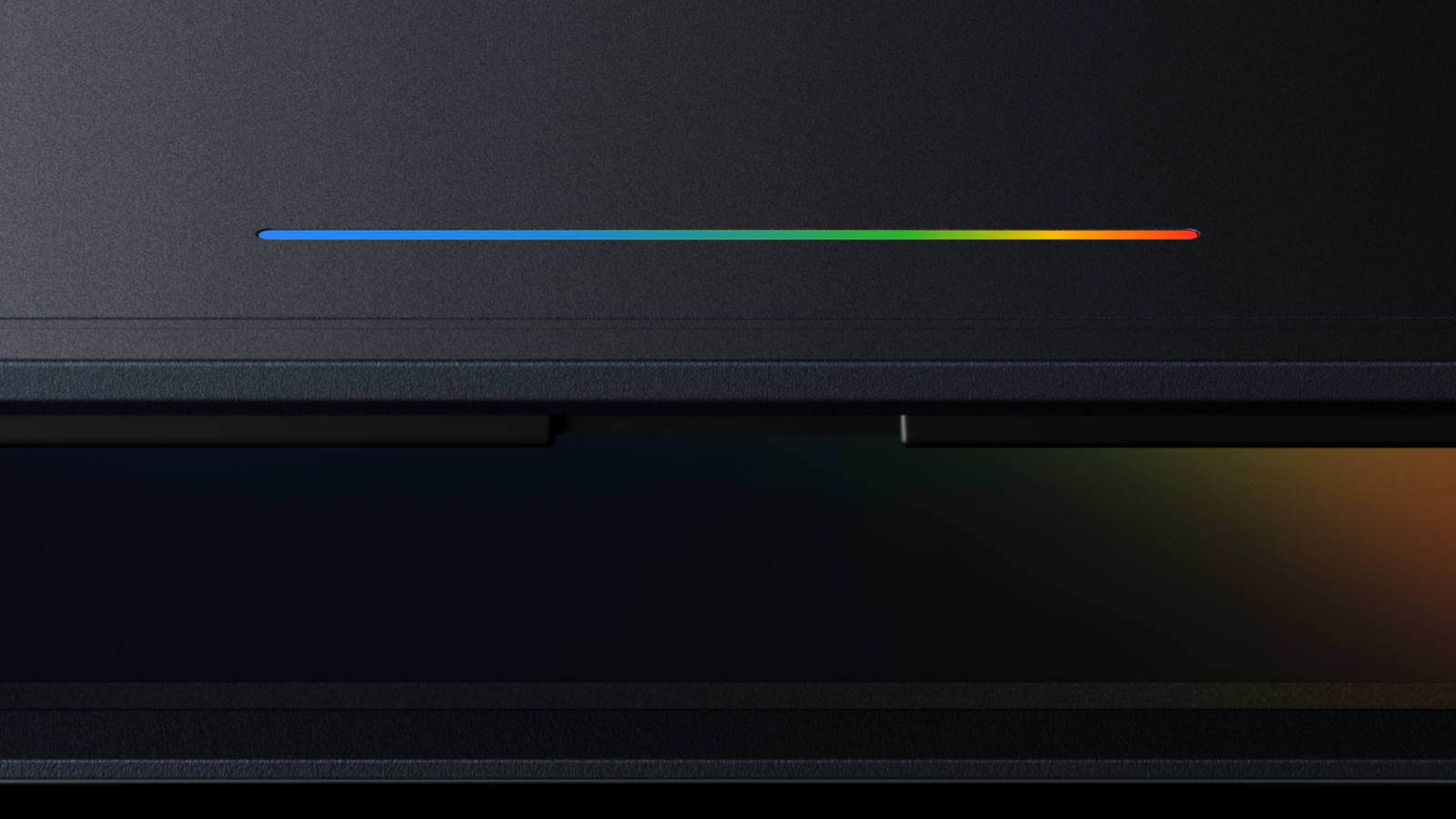
Pixel 11 Pro, Glow Bar glimpsed on the back at Google I/O

While the presentation focused on the extraordinary capabilities of the new AI model Gemini Omni, capable of altering reality following simple natural-language commands, a smartphone with a peculiar design appeared.
The rear camera strip of this mysterious device was surrounded by a glowing profile, an element that perfectly matches rumors circulating in recent months about an unannounced LED lighting system.
This new technology, similar to what was announced for the Googlebook, could be called Pixel Glow and provides a way to keep the user informed about upcoming news even when the device is resting on a table with the screen facing downward.
Initial reports suggested using a standard three-color combination, but more recent reports indicate a much more complex and elaborate configuration based on eight different tones.
This technical expansion means that the LEDs will be able to generate a wide range of combinations, allowing specific alerts to be associated with a multitude of events, calls, or messages from different apps, making the smartphone much more communicative without even having to touch it.
Rumors also point to the lighting of the bar during interaction with Gemini, Google’s AI assistant.
What else do we know about the Pixel 11?
Beyond the redesigned rear design, the real transformation will be inside the chassis. The Pixel 11 series will be powered by the new processor Tensor G6, known internally by the code name Malibu.
The production of this advanced silicon has been entrusted to TSMC, which will leverage its excellent 2-nanometer manufacturing process. The peculiarity of this chip lies in its unusual seven-core CPU configuration, marking a clear difference from the eight cores of the previous Tensor G5.
Specifically, the operating system will be managed by a single main ARM Cortex-C1 Ultra core operating at up to 4.11 GHz, expressly dedicated to handling the most demanding workloads and the instant launching of the heaviest applications.
This component will operate in synergy with 4 core high-performance ARM Cortex-C1 Pro clocked at 3.38 GHz, perfect for computational photography and advanced multitasking. Finally, 2 core high-efficiency ARM Cortex-C1 Pro at 2.65 GHz will handle quiet background operations, such as email synchronization and audio management, ensuring minimal energy consumption.
The graphics block follows a very clear philosophy, focusing entirely on energy efficiency rather than pursuing pure power for extreme gaming. The GPU chosen to equip the new models is a version deeply optimized for this year’s Imagination PowerVR CXTP-48-1536.
Thanks to the move from 3 nm in the previous generation to the current 2 nm, the entire hardware block will ensure a reduction in power consumption of between 20% and 30%.
Operating temperatures will remain sufficiently low to eliminate the need to throttle performance to prevent overheating.